Webdesign

Websitedesign, Web design, Web design, Website design, Web design, Interface design, UI design
Web design is the design of a website's visual structure, navigation and user experience. It determines how visitors experience your site and whether they convert.

What is web design?

Web design is the process of designing a website’s visual layout, navigation structure, and user experience. It encompasses color schemes, typography, layout, interactive elements, and the way information is presented. Good web design ensures that visitors quickly find what they’re looking for and then take the desired action, such as contacting the company or ordering a product. For small and medium-sized businesses, web design often makes the difference between a visitor who leaves and one who becomes a customer.

How web design works in practice

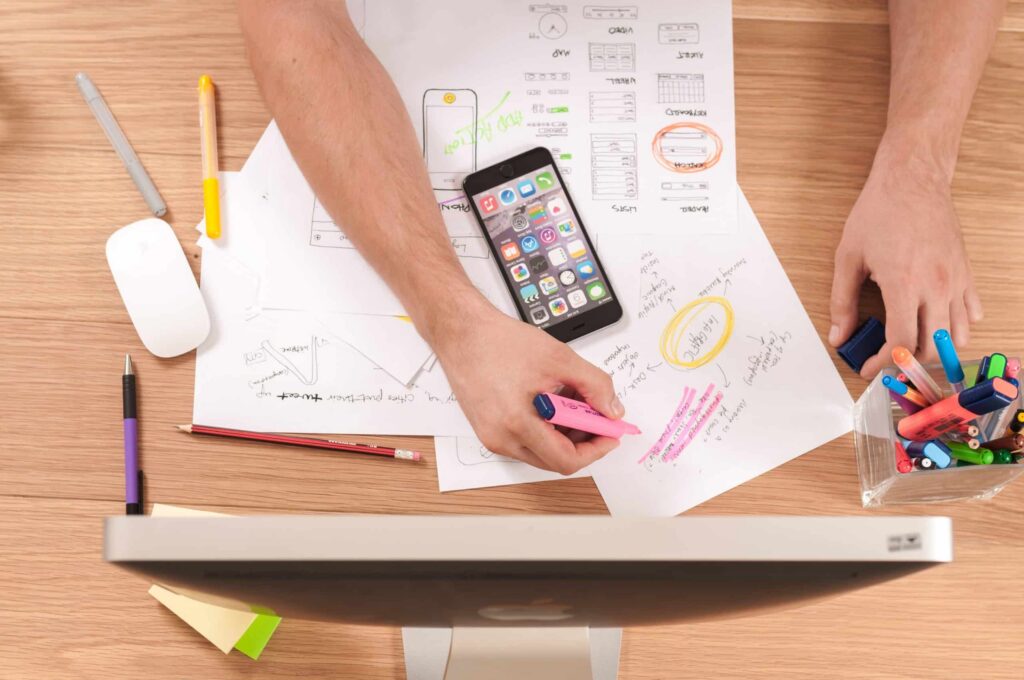
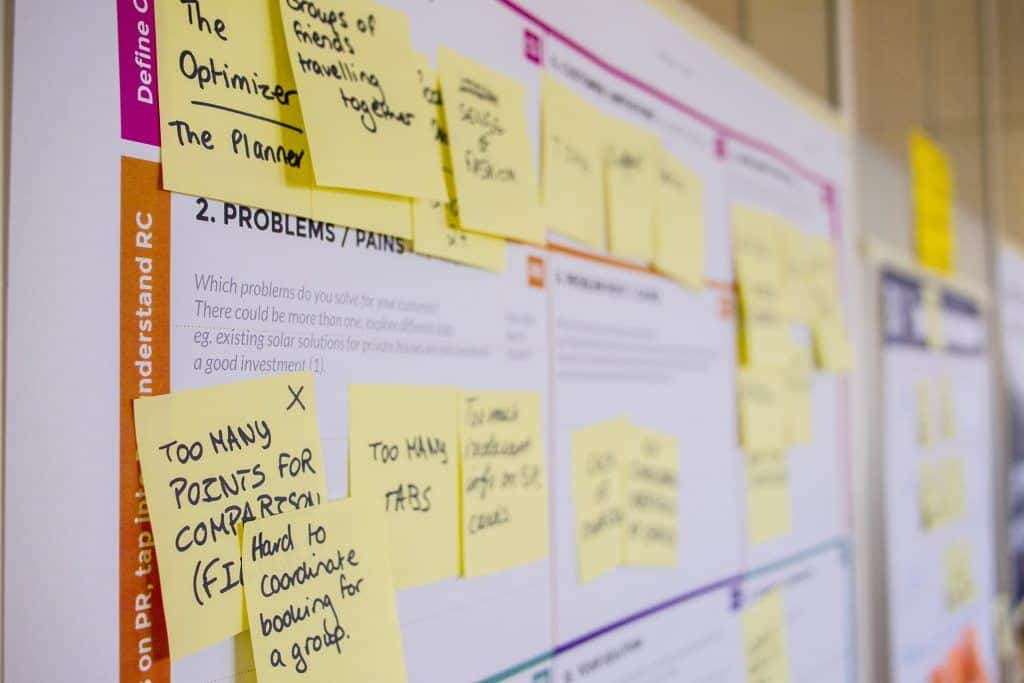
Web design begins with identifying the target audience and goals of the website. This is followed by a wireframe, a schematic that shows the structure of pages without visual distractions. Based on that, you create a visual design with colors, imagery and typography. Next, you build in interactive elements such as menus, forms and call-to-action buttons. Finally, you test the design on different screens and browsers to make sure everything works properly. This process often runs in parallel with user experience research, ensuring that your design is not only beautiful but also functional.

Why web design emerged in the 1990s and continues to evolve today

In the early years of the Web, Web sites consisted mostly of text and simple hyperlinks. When browsers started supporting images and formatting via Cascading Style Sheets, the need arose for designers to make websites attractive and usable. Web design became a profession in itself. Today, the field is constantly changing with new devices, from smartphones to smart watches, and new expectations around speed and accessibility. What was a good Web site a decade ago often feels slow and cluttered now.

What web design brings to SMEs

Well-thought-out web design ensures that visitors stay longer, view more pages, and convert more often. In practice, we see with SMB clients that a clean design with clear calls to action can increase the number of inquiries by 20 to 40 percent. Good web design also lowers the barrier to getting in touch, as visitors gain trust in your company more quickly. In addition, web design plays a role in search engine optimization: Google values fast, accessible sites with a low bounce rate. Want to know how web design and technology come together? Check out our website development services, where we align design and functionality from the very beginning.

Web design applications.

Web design is found in almost every type of website, but the approach varies greatly by purpose and target audience. Below are four situations where web design makes a clear difference for Dutch SMEs.

Web design for lead generation and services

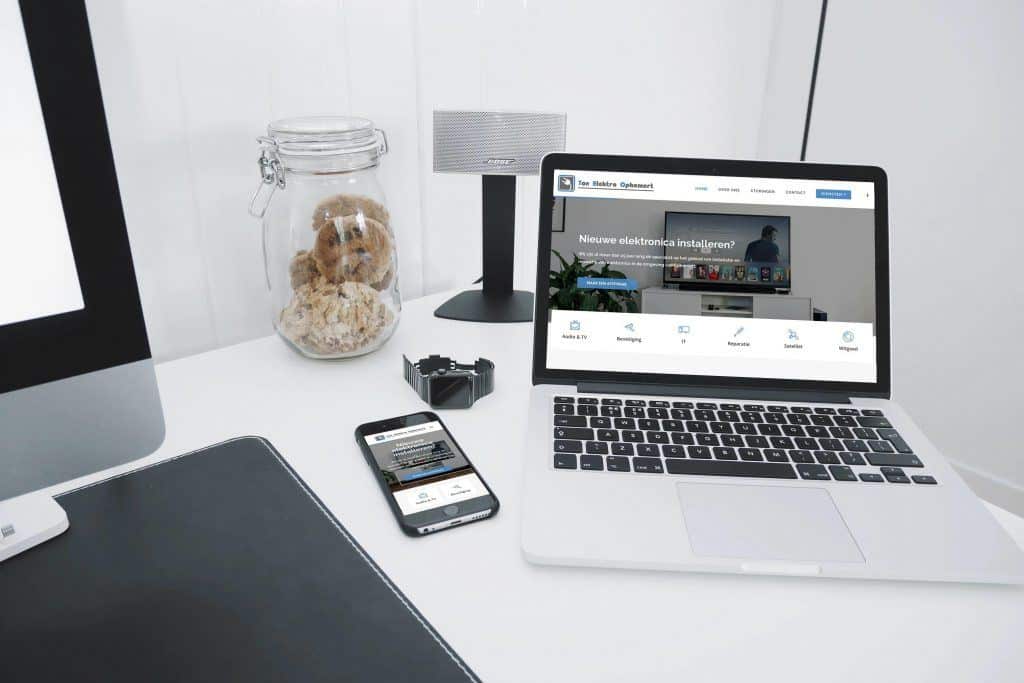
For B2B service providers, web design is all about trust and clarity. Visitors want to quickly see what you do, for whom and with what results. That requires a homepage with a clear value proposition, a clear services page and a contact form that does not have too many fields. In practice, we find that an overly busy design with lots of animations is actually distracting. A clean, professional design with white space and clear headings works better. Think of a consulting firm or a technical installation company: there the visitor wants to see competence, not playful effects. Web design here should highlight your team's expertise and concrete results for customers.

Web design for ecommerce stores and product selection.

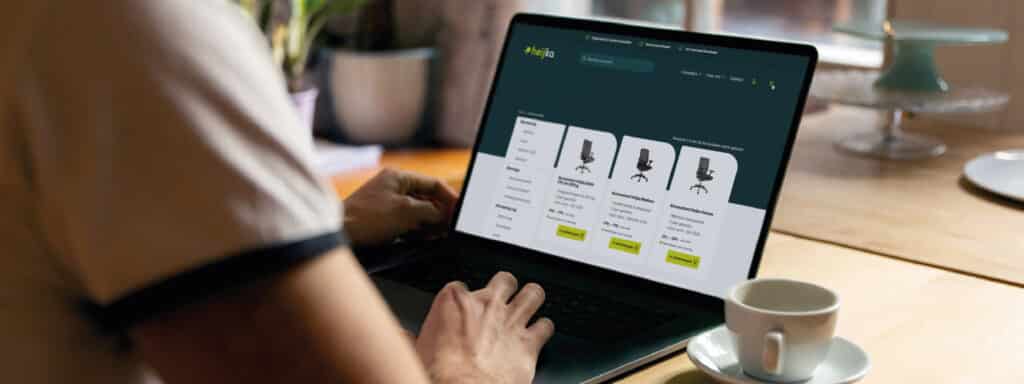
In an ecommerce store, web design determines how quickly a visitor finds the right product and whether they actually order. Filter options, search function, product photos and clear price display are essential. A common mistake is too many visual stimuli on the product page, which causes the order button to snow under. Good web design for ecommerce takes into account the buying process: from overview page to product detail to shopping cart to checkout. Each screen should make the next step logical. For ecommerce stores with more than a hundred products, thoughtful information architecture is just as important as beautiful design.

Web design for branding and storytelling.

For companies where brand identity is central, such as fashion, interior design or creative services, web design is an extension of brand identity. Here the design is allowed to have more emotion and visual impact. Large images, subtle animations and distinct typography reinforce the brand experience. At the same time, the site must remain usable: if visitors cannot find where you are or how to contact you, you lose conversion. The trick is to keep brand experience and functionality in balance. Web design then becomes a story that leads the visitor through the site, with a clear climax, the call-to-action.

When web design is the right choice and when it isn't

Web design makes sense if you are building a new website development, revamping an existing site, or if you find that visitors drop out quickly. It is less urgent if your site works well technically and meets your conversion goals. In that case, you're better off investing in SEO or content marketing. Note: A visually innovative design without attention to speed or accessibility solves nothing. Web design works best as part of a broader strategy that combines audience, technology and conversion.

Want to apply this to your business? Monkey Vision helps SME entrepreneurs with web design, SEO and smart digital solutions. Schedule a no-obligation meeting and find out what's possible for you.

Schedule an introduction

Frequently Asked Questions

No, web design and web development are two different fields that complement each other. Web design focuses on the visual side: layout, use of color, typography and user experience. Web development deals with the technical construction: code, databases, server settings and functionality. In practice, you often work with both disciplines simultaneously. A designer creates a visual concept, a developer builds it in HTML, CSS and JavaScript. In larger projects, you have separate specialists; in smaller projects, one person sometimes does both tasks. Good cooperation between design and development prevents a beautiful design from proving technically unfeasible or a technically strong site from looking amateurish.

It depends on your budget, timeline and competitive position. A template is cheaper and live faster, but allows less room for brand identity and unique features. Custom web design costs more time and money, but gives you full control over design and user experience. For startups or companies with a small budget, a custom template can be a good intermediate step. For companies that want to stand out or have complex processes, such as an ecommerce store with a custom configurator, a custom design is often the better choice. In practice, we see companies switch to a custom site after a few years because the template becomes too restrictive.

Start by identifying your target audience and the main goals of the site. What should visitors do: contact you, order something, download information? Gather examples of Web sites you find attractive and analyze why. Make a list of must-have pages and features. Discuss this with a designer or agency and ask for a wireframe before you start visual design. This will prevent you from discovering halfway through that the structure is wrong. Test the design with real users before you go live. Want to know which web design approach is right for your situation? Schedule a free 30-minute website scan at Monkey Vision. You'll immediately get three concrete areas for improvement and an honest assessment of what's needed to take your site to the next level.

About the author

Monkey Vision

Monkey Vision is a full-service digital agency at Nijmegen, specializing in web design, SEO, and AI automation for small and medium-sized businesses. The knowledge base has been compiled by our team of online strategists and is continuously updated based on current insights.

Publication date: 26-04-2026
Last update: 26-04-2026