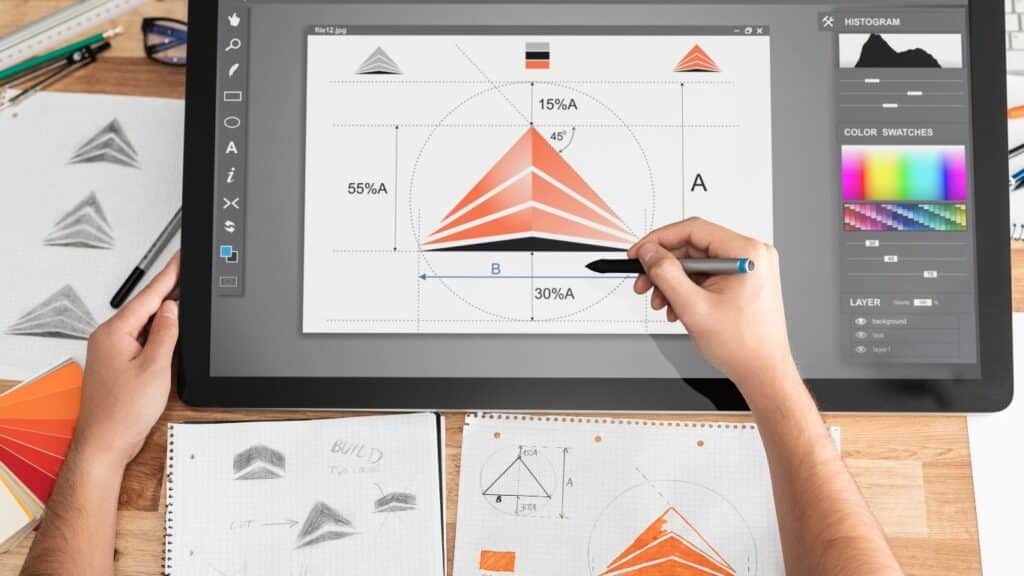
Web Development

Web development, Web development, Website development, Website development, Web application development, Web application development
Web development is building and maintaining websites and web applications, from concept to live environment. Essential for a strong online presence.

What is web development?

Web development is the process in which you build, test and maintain a website or web application. It includes front-end work (what visitors see), back-end development (the technology behind the scenes) and everything needed to keep a digital environment stable and user-friendly. For SMBs, this means creating a platform where customers find information, buy products or connect, without technology getting in the way.

How web development works in practice

A Web development project usually begins with a briefing in which you define what the site needs to do. Think of an ecommerce store with 300 products, a portfolio site for a consulting firm or a customer portal with login functionality. Then comes the technical build: a developer chooses a content management system such as WordPress or builds a custom solution. Front-end code(HTML, CSS, JavaScript) determines how the page looks. Back-end code (PHP, Python, Node.js) handles logic, database links and security. After the build phase, you test the site on different devices and browsers. Only then does the site go live. Maintenance continues to be required for updates, bug fixes and new functionality.

Why web development came into being and why it matters now

Web development has existed since the birth of the Internet, but has become more complex in recent years. A static HTML page used to suffice. Now visitors expect speed, mobile viewing, secure payments and personalization. Google rates sites on accessibility and load time. Customers expect a site to work on any screen. Those requirements make web development more technically demanding, but also crucial for companies that want to be visible online and achieve conversion.

What web development brings to SMEs

With a well-developed website, you have a digital point of sale that is accessible 24/7. You can automate processes such as quote requests, product filters or customer portals. A fast, secure site increases visitor confidence and helps with search engine optimization. In practice, we see with SME clients that a professionally developed site makes the difference between visitors who drop out and visitors who convert. A malfunctioning checkout, slow loading time or unclear navigation will cost you direct sales. Web development is the technical basis that enables and supports your web design and user experience.

Applications of web development

Web development comes in many forms, depending on what you want to achieve. Some companies need a simple information site, others a complex ecommerce store or a customer portal with live data. Below you can see the most common applications in Dutch SME practice, with concrete situations in which to deploy them.

Corporate website with custom functionality

A corporate website is often more than a digital brochure. You build functionality into it that connects to your business process: a job module with a direct link to your HR system, a project portfolio with filters by sector and service, or a knowledge base where customers find answers themselves. A manufacturer of industrial parts, for example, can have a configurator built in which customers enter specifications and receive a quote immediately. This requires custom back-end development, because standard CMS templates don't offer this out of the box. The result is a site that not only informs, but also speeds up processes and qualifies leads before they reach your sales team.

Ecommerce platform with checkout optimization

For an ecommerce store, web development is the backbone. You need a secure checkout, links to payment providers, inventory synchronization with your ERP and a fast search function. In practice, we see many ecommerce stores drop out of the checkout because the technology doesn't work properly: slow loading time, unclear error messages or missing payment options. A well-developed ecommerce store takes into account mobile users (who often make up more than 60% of traffic), loads product pages in less than two seconds and provides real-time feedback for form fields. This requires technical knowledge of caching, database optimization and front-end frameworks such as React or Vue.

Customer portal or SaaS application.

More and more SMB companies are offering clients a login environment where they manage their data, download invoices or track project status. Think of an accounting firm that lets clients upload their financial statements, or a fitness chain where members book classes and view their workout schedule. This type of web development requires a robust back-end with user management, rights structure and API links to other systems. Security is crucial: you need to comply with AVG requirements and secure data properly. A SaaS application goes one step further and offers a full service through the browser, without requiring customers to install software. This requires scalable infrastructure and continuous monitoring.

Progressive web app for mobile users

A progressive web app (PWA) is a Web site that behaves like a mobile app. Visitors can add the site to their home screen, use offline features and receive push notifications. For businesses with high mobile traffic, this is an alternative to a native app, without the cost and complexity of app stores. For example, a restaurant can build a PWA in which guests make reservations, view the menu and see their order history, even without an Internet connection. This requires specific web development with service workers, caching strategies and responsive design that works on any screen. The advantage: one codebase for all platforms.

When web development is the right choice and when it is not

Web development makes sense if you need specific functionality that standard templates don't provide, or if your site needs to scale to thousands of visitors per day. It is also the right choice if you want to link data to external systems or create a unique user experience. Web development is less suitable if you want to launch a simple site quickly without a budget for customization. In that case, a standard CMS with an existing theme will suffice. Choose development if the technology provides a competitive advantage, not if all you need is a digital business card.

Want to apply this to your business? Monkey Vision helps SME entrepreneurs with web design, SEO and smart digital solutions. Schedule a no-obligation meeting and find out what's possible for you.

Schedule an introduction

Frequently Asked Questions

No, web development and web design are two different disciplines that complement each other. Web design focuses on the visual side: layout, use of color, typography and user experience. A designer determines how the site looks and how visitors navigate through the content. Web development translates that design into working code. A developer builds functionality, links databases, ensures security and optimizes speed. In practice, you often work with both disciplines together. At Monkey Vision , we see that projects produce the best results when design and development work together from the beginning, not as separate phases.

It depends on your technical knowledge, available time and the complexity of the project. If you are building a simple site with a standard CMS and an existing theme, you can do a lot yourself with online tutorials. For custom functionality, security optimization or links to external systems, you need an experienced web developer. Building yourself saves costs, but takes a lot of time and often results in technical debt that is more expensive to fix later. Outsourcing gives you access to expertise and a professional result, but requires an investment. Choose outsourcing if the site is mission-critical or if you don't have time to learn technology.

The most common mistake is not paying enough attention to speed and mobile display. Many sites load too slowly because images are not compressed or too many plugins are active. Another mistake is insecure code: weak passwords, missing SSL certificates or outdated software make your site vulnerable. We also often see companies failing to consider scalability. A site that works well with 100 visitors a day crashes at 1,000 visitors if the database or server is not set up properly. Finally, too little documentation. If a developer leaves and no one knows how the code works, you're stuck with updates or modifications.

The best first step is to get clear on what your site needs to do and for whom. Do you already have a site that needs technical improvement, or are you starting from scratch? In a free 30 minute intake at Monkey Vision we go through your current situation and see what technical approach fits. You will get immediate insight into the feasibility, a realistic lead time and an indication of the investment. No sales pitch, but a concrete plan that fits your business goals. Schedule a session through website design at Monkey Vision and discover which technical choices strengthen your online presence.

About the author

Monkey Vision

Monkey Vision is a full-service digital agency at Nijmegen, specializing in web design, SEO, and AI automation for small and medium-sized businesses. The knowledge base has been compiled by our team of online strategists and is continuously updated based on current insights.

Publication date: 26-04-2026
Last update: 26-04-2026