Web design is the process of designing a website’s visual layout, navigation structure, and user experience. It encompasses color schemes, typography, layout, interactive elements, and the way information is presented. Good web design ensures that visitors quickly find what they’re looking for and then take the desired action, such as contacting the company or ordering a product. For small and medium-sized businesses, web design often makes the difference between a visitor who leaves and one who becomes a customer.
How web design works in practice
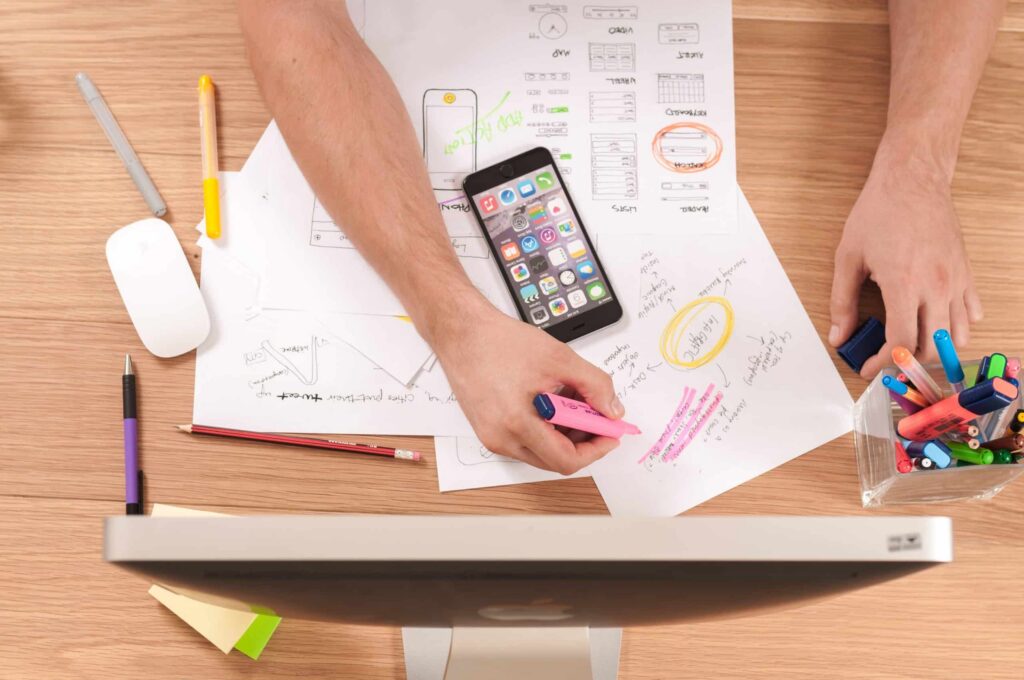
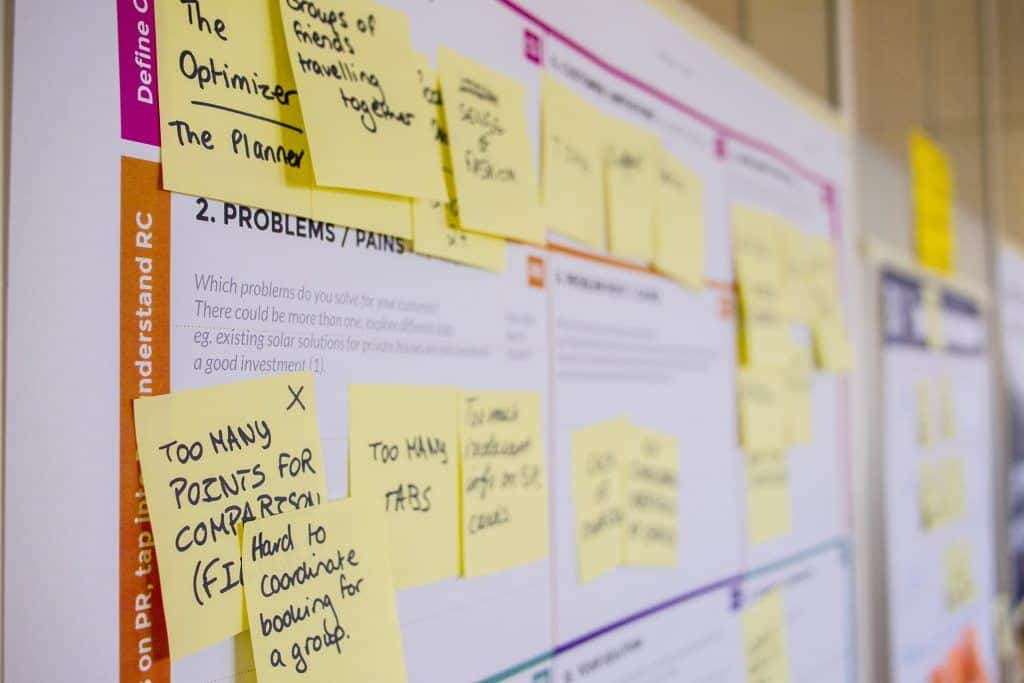
Web design begins with identifying the target audience and goals of the website. This is followed by a wireframe, a schematic that shows the structure of pages without visual distractions. Based on that, you create a visual design with colors, imagery and typography. Next, you build in interactive elements such as menus, forms and call-to-action buttons. Finally, you test the design on different screens and browsers to make sure everything works properly. This process often runs in parallel with user experience research, ensuring that your design is not only beautiful but also functional.
Why web design emerged in the 1990s and continues to evolve today
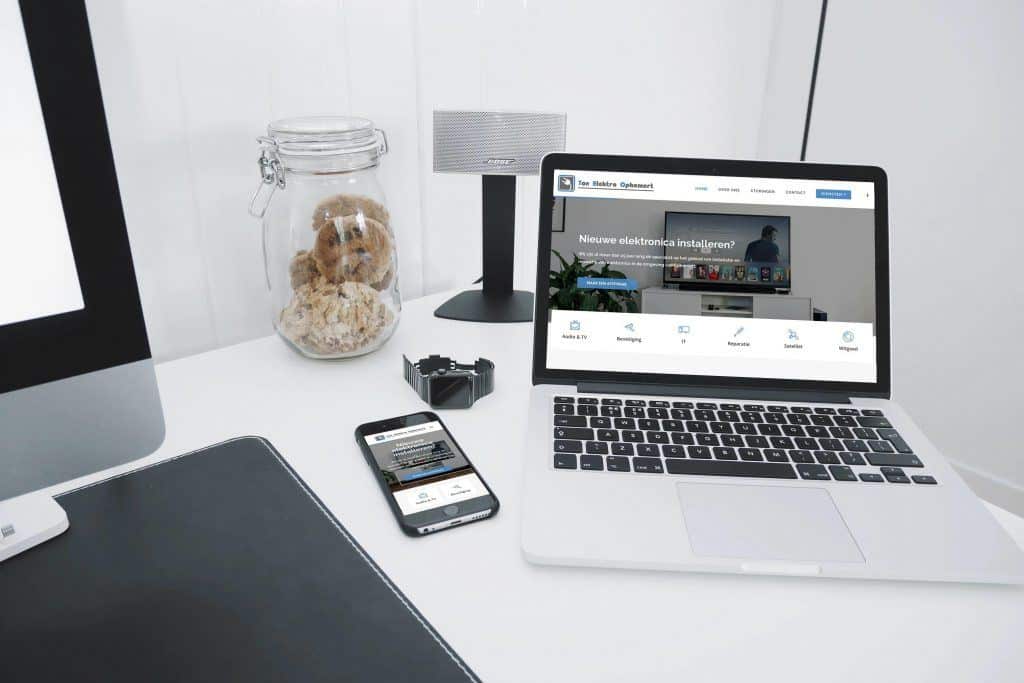
In the early years of the Web, Web sites consisted mostly of text and simple hyperlinks. When browsers started supporting images and formatting via Cascading Style Sheets, the need arose for designers to make websites attractive and usable. Web design became a profession in itself. Today, the field is constantly changing with new devices, from smartphones to smart watches, and new expectations around speed and accessibility. What was a good Web site a decade ago often feels slow and cluttered now.
What web design brings to SMEs
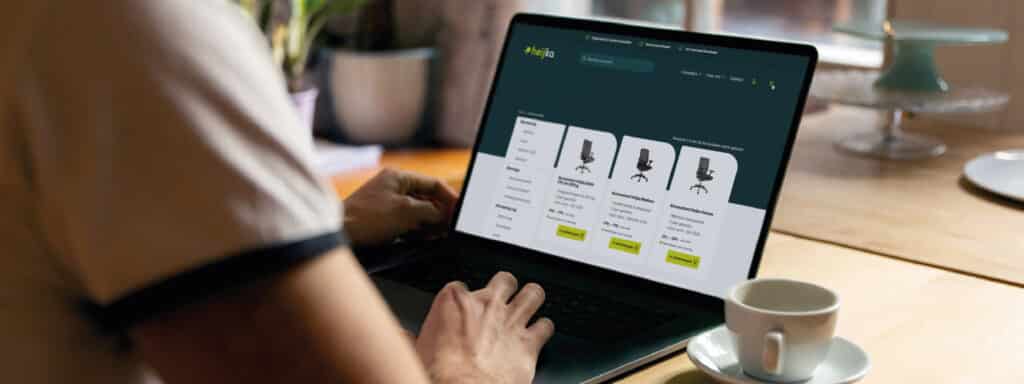
Well-thought-out web design ensures that visitors stay longer, view more pages, and convert more often. In practice, we see with SMB clients that a clean design with clear calls to action can increase the number of inquiries by 20 to 40 percent. Good web design also lowers the barrier to getting in touch, as visitors gain trust in your company more quickly. In addition, web design plays a role in search engine optimization: Google values fast, accessible sites with a low bounce rate. Want to know how web design and technology come together? Check out our website development services, where we align design and functionality from the very beginning.