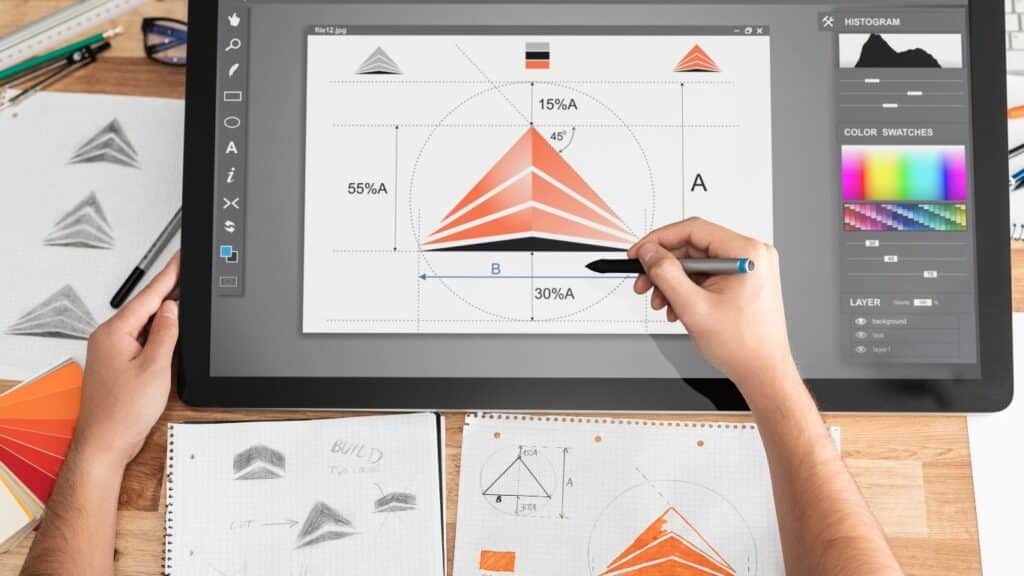
Design is the process of combining form, function and experience to create a product, service or communication expression that achieves a specific goal. It goes beyond just "making it pretty": good design solves problems, makes complex information understandable and directs users to a desired action. For an ecommerce store, for example, that means a checkout flow that increases conversion; for a B2B service provider, a website that inspires confidence among decision makers.
How design works in practice
Design combines visual hierarchy, use of color, typography and interaction patterns to convey a message. You first determine what you want to achieve: more requests, longer session duration, clearer brand positioning. Then you translate that into concrete choices in layout, contrast, white space and call-to-action design. For example, a button gets a different color to stand out, important text gets more space and weight. Each choice steers the visitor's attention. According to W3C 's Web Accessibility Initiative, accessible design contributes to usability for everyone, not just people with disabilities.
Why design came into being and why it matters now
Design as a discipline emerged when mass production and advertising emerged: manufacturers needed to differentiate themselves and make complex products understandable. In the digital world, this process accelerated. Websites compete with dozens of alternatives that are one click away. A visitor decides in seconds whether your offer is relevant and reliable. Design determines that first impression. For SMBs, we see that a well thought-out user interface directly affects bounce rate and time on page, two signals that also influence your SEO position.
What design delivers for SMEs
For a United States SME company with 10 to 50 employees, design is a concrete lever. A clear visual identity makes you recognizable in a crowded market. A well-designed contact form increases the number of completed requests by 20 to 40 percent, simply by reducing fields and adding trust signals. A well-organized product page in your ecommerce store reduces cognitive load and increases conversion. Design also works internally: a structured dashboard makes data clearer for your team faster. In web design projects, we combine strategy, user experience and visual design to deliver measurable results.