The customer journey describes all the steps and contact moments a customer goes through from the moment a need arises to purchase and aftercare. It includes both online and offline interactions: from an initial Google search to a phone call with your customer service department. For SMBs, understanding this journey provides concrete guidance for optimizing each phase to convert more visitors into customers.
How the customer journey works in practice
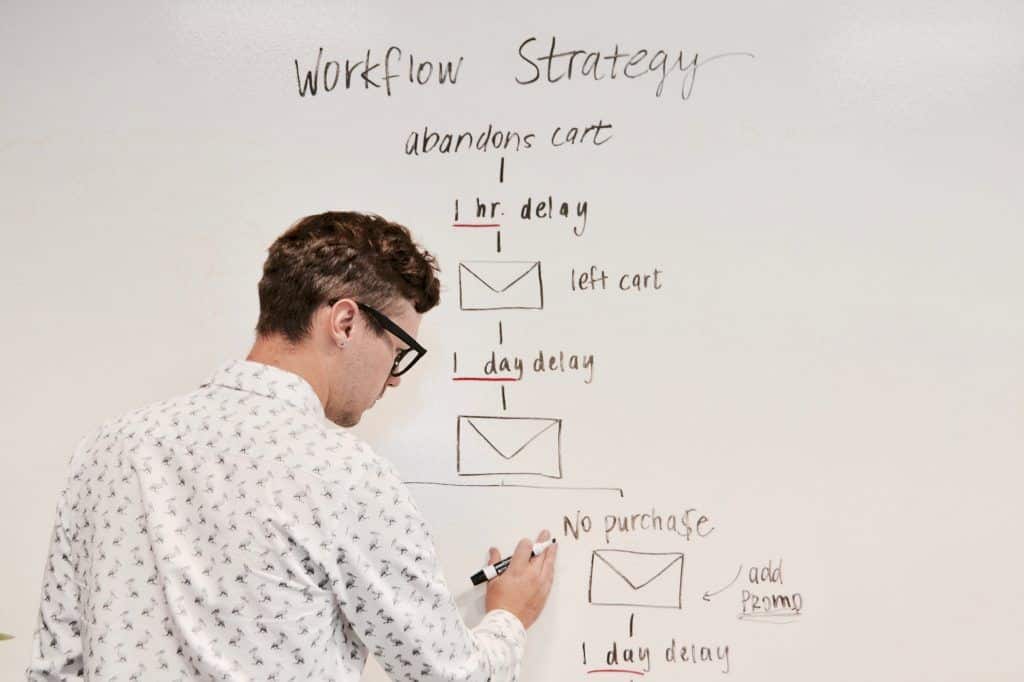
A typical customer journey consists of five phases: awareness, consideration, decision, purchase and aftercare. During the awareness phase, a potential customer discovers that he has a problem or need. During the consideration phase, he compares solutions and orients himself to different providers. In the decision phase, he weighs alternatives and chooses a supplier. After the purchase comes aftercare, in which you build customer loyalty. Every contact moment in these phases, from an advertisement to a product page or a follow-up email, influences whether the customer continues or drops out. By mapping these moments, you can see where you lose and where you gain.
Why customer journey mapping is more relevant now than ever
The concept has been around since the 1990s, but has exploded over the past decade with the rise of digital channels. Customers today orient themselves through websites, social media, reviews, comparison sites and newsletters before contacting them. This makes their journey more complex and less predictable. At the same time, it offers SMEs unprecedented opportunities to measure and improve every contact moment. Where before you only knew someone called, now you can see exactly what pages they viewed, how long they stayed and where they dropped out. That data turns customer journey mapping from a vague marketing concept into a concrete improvement tool.
What customer journey mapping delivers for SMEs
A mapped-out customer journey helps you set priorities in your SEO strategy, your website structure, and your customer service. For example, you might notice that many visitors drop off on your product page because shipping costs aren’t displayed until late in the process, or that your contact form requires too many fields. In practice, we’ve noticed with SMB clients that mapping the customer journey often yields three to five quick wins: simple adjustments that have an immediate, measurable impact on conversion. It also helps your team work together more effectively. Sales, marketing, and customer service understand each other’s roles in the bigger picture, leading to more consistent communication and a better customer experience. A clear touchpoint analysis shows where each team has an impact and where improvements will yield the greatest results.