Design Audit

UX audit, Web design audit, Interface audit, Visual audit, Design analysis, UI audit
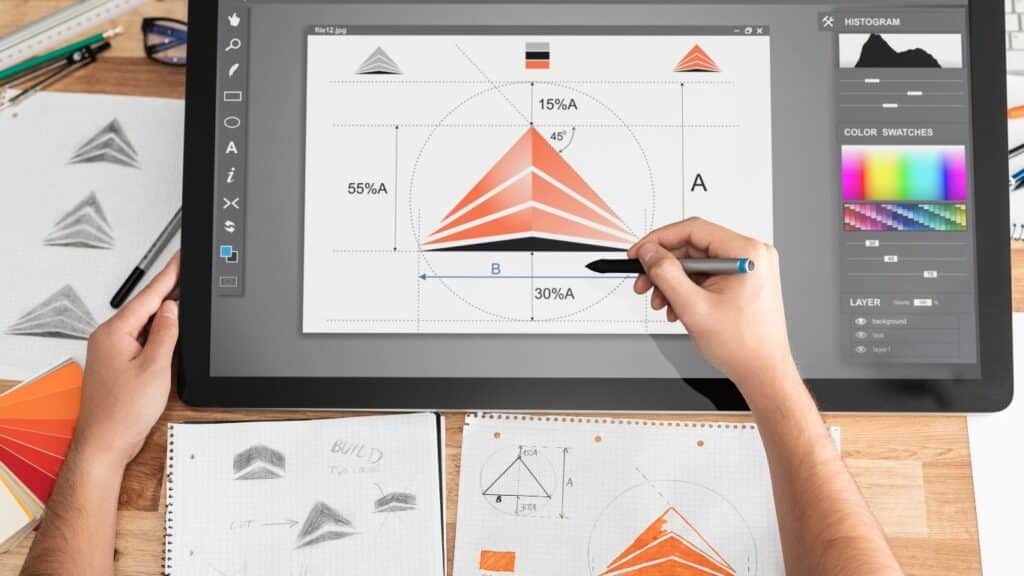
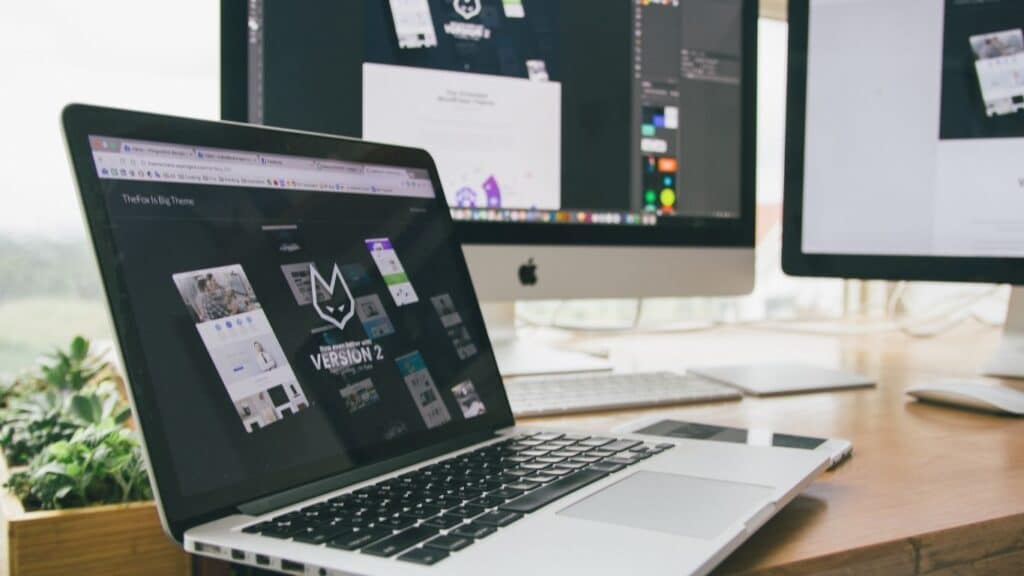
A design audit is a systematic analysis of the visual and functional aspects of your website or app. It helps uncover bottlenecks in user experience and conversion.

What is a Design Audit?

Een design audit is een grondige analyse van de visuele, functionele en strategische kwaliteit van je website, app of digitale product. Je onderzoekt systematisch hoe design, gebruiksvriendelijkheid en merkidentiteit samenkomen, en waar ze botsen met de doelen van je bedrijf. Het resultaat is een concreet overzicht van knelpunten, inconsistenties en verbeterkansen die je conversie, gebruikstevredenheid of merkconsistentie in de weg staan. In de praktijk zien we bij MKB-klanten vaak dat een design audit de basis vormt voor een gefundeerde herontwerpbeslissing of een gerichte optimalisatie-aanpak.

How a design audit works

Een design audit volgt meestal een vast stappenplan. Je begint met het verzamelen van alle relevante materialen zoals huisstijlrichtlijnen, wireframes, analytics-data en gebruikersfeedback. Vervolgens beoordeel je de interface op consistentie, toegankelijkheid, visuele hiërarchie en gebruikerspatronen. Je vergelijkt het huidige ontwerp met best practices en je eigen merkstrategie. Tools zoals heatmaps, toegankelijkheidsscans van W3C en gebruikerstests kunnen de audit versterken. Het eindresultaat is een rapport met bevindingen en aanbevelingen, vaak met prioritering op basis van impact en inspanning. Voor een webshop met 800 producten kan dit bijvoorbeeld betekenen dat je ontdekt dat de filterstructuur onlogisch is of dat productfoto's inconsistent zijn qua stijl en formaat.

Why design audits retain their value

Design audits originated in the professional design world, where agencies and teams periodically evaluate their work to ensure quality. In the digital context, the concept gained traction when companies noticed that their websites had grown organically without central direction. Loose features were added by different developers, colors and fonts became fragmented, and the user experience became fragmented. An audit brings this chaos back to overview. Today it is relevant because websites and apps are becoming increasingly complex and because competition on user experience is keener than ever. Inconsistent design costs you trust and conversion, especially in B2B engagements where a professional judges whether you're serious within ten seconds.

What a design audit delivers for SMEs

A design audit gives you an objective diagnosis of your digital appearance and functionality. You gain insight into which design choices work and which don't, and why visitors drop out or convert. That helps you prioritize instead of improving by feel. For example, for a B2B service provider with 15 employees, an audit might show that the homepage contains too much text and that the contact form is too low on the page. For ecommerce stores, it often yields concrete areas for improvement around product presentation, checkout flow and mobile navigation. If you are considering revamping your website, an audit is a smart first step to determine whether a completely new web design is needed or whether targeted optimizations will suffice. In addition, a design audit helps give your team a common language around design quality and user experience.

Applications of a Design Audit

You can use a design audit at various stages of your digital development. The most common situations are prior to a redesign, after a merger or name change, when conversion rates are falling with no apparent cause, or when your team is discussing design choices internally with no objective basis. Below we describe four concrete applications that we often encounter at Dutch SMEs.

Redesign preparation and budget planning

Before you start a web design project, you want to know what's really wrong and what can be preserved. A design audit helps you draw up a well-founded briefing document for an agency or your own developers. You get an overview of which elements can be reused and where the biggest pain points are. This prevents you from spending budget on reinventing things that already work well. At a retailer with 40 employees, for example, an audit showed that the product pages scored well, but that the homepage and navigation had to be completely redone. That led to a phased process in which first the structure was addressed and later the detail pages were refined. A design audit also gives you a realistic estimate of turnaround time and costs, because you know how much work is really involved in improving your interface.

Conversion optimization after analytics signals

If you see in Google Analytics that visitors are dropping out en masse on a particular page, but the data doesn't tell you why, a design audit may be the missing link. You analyze visual hierarchy, call-to-action placement, readability and trust signals on that particular page. It often turns out that small design choices have a big impact: an overly busy header, unclear button text or a form that requires too many fields. A B2B software vendor discovered through an audit that their demo request form was visually snowed under by a banner, causing conversions to be 30% lower than comparable pages. By removing the banner and making the form more prominent, conversions increased within two weeks. A design audit helps you identify these kinds of quick wins without having to immediately rebuild your entire site. It works well in conjunction with A/B testing to validate hypotheses.

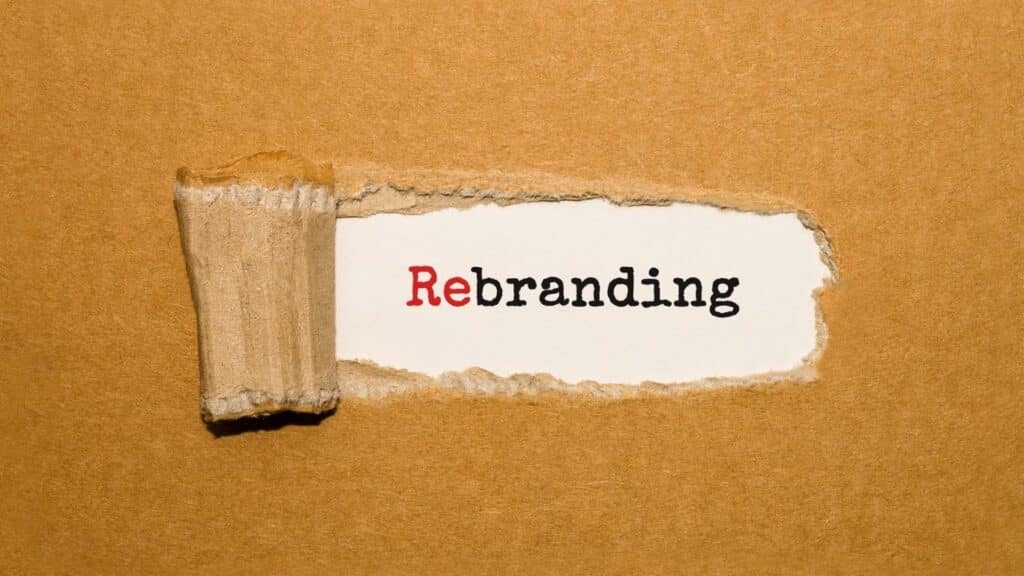
Brand consolidation after merger or rebranding

After a merger or name change, many companies have multiple websites, sub-brands or legacy elements that no longer align with the new brand identity. A design audit maps out where old corporate identity elements, outdated tone-of-voice or inconsistent visual language still show up. You get a roadmap to incrementally align all touchpoints. At a consulting firm that took over three smaller parties, the audit showed that each former party was still using its own color palette and typography on subpages. That confused visitors and weakened the new brand positioning. The audit gave them a concrete plan to harmonize all pages within six months. You often pair this type of audit with a broader brand strategy or rebranding journey, where the audit documents the current state and reveals the gap to the desired state.

When a design audit is the right choice and when it is not

A design audit is useful if you suspect design choices are getting in the way of your goals, but you don't know exactly where the pinch is. It is also valuable if you have internal discussions about priorities and want an objective second opinion. In contrast, an audit is less appropriate if your Web site is technically broken or if you haven't yet formulated clear business goals. In that case, first solve the technical problems or formulate a clear strategy. An audit delivers little if you do not plan to follow the recommendations, for example due to lack of budget or capacity. Choose a design audit when you want to make concrete improvements within three to six months and when you are willing to take data and user feedback seriously, even if they contradict your own assumptions.

Want to apply this to your business? Monkey Vision helps SME entrepreneurs with web design, SEO and smart digital solutions. Schedule a no-obligation meeting and find out what's possible for you.

Schedule an introduction

Frequently Asked Questions

A design audit and a UX audit overlap greatly, but have a slightly different focus. A design audit looks broadly at visual consistency, brand appearance, accessibility and functional quality of your interface. A UX audit focuses specifically on user behavior, interaction patterns and the experience of your visitors during their journey. In practice, you often see that a design audit includes visual and strategic aspects such as typography, color use and brand message, while a UX audit goes deeper into usability testing, user flows and task tracking. At Monkey Vision , we usually combine both perspectives in one process, because visual design and user experience cannot be separated. If you have to choose: opt for a UX audit if you primarily want to solve conversion or usability problems, and for a design audit if you also have brand consolidation or visual innovation on the agenda.

Start with a design audit if you're not sure if a full redesign is needed, or if your budget is limited and you want to know where the biggest problems are first. An audit takes less time and money than a redesign and gives you an objective basis for decision making. Go straight for a redesign if your website is technically outdated, no longer reflects your current services or if your brand identity has fundamentally changed. In those cases, an audit is often a formality that you already know what the outcome will be. For an ecommerce store that hasn't been updated for three years and is running on an outdated platform, an audit has little added value. For a B2B service provider with a working site but declining conversion, on the other hand, an audit is a smart first step. You can also see the audit as part of a redesign process: first the diagnosis, then the solution. That prevents you from spending budget on the wrong problem.

The biggest mistake is conducting an audit without clear objectives or buy-in from the team. If you don't define in advance what you want to achieve, the audit will produce a laundry list of observations without prioritization. A second common mistake is focusing too much on subjective opinions rather than data and user behavior. What you like may not necessarily work for your target audience. A third mistake is ignoring recommendations because they are too confrontational or because internal politics block implementation. That makes the audit a wasted investment. Also, be sure to have the audit conducted by someone with distance from the project, because internal teams are often blind to their own design choices. Finally, avoid an audit that is only visual and does not consider technical feasibility, accessibility or SEO impact. A good audit is multidisciplinary.

The best first step depends on where you are now and what you want to achieve. Do you have a working website but doubt the design still aligns with your goals? Then schedule a free 30-minute design and UX scan at Monkey Vision. We walk through your site live and immediately give you three concrete points of improvement that impact conversion or user experience. You will also get an honest assessment of whether a full audit makes sense or whether targeted optimizations are sufficient. No sales pitch, just practical advice from our experience with dozens of SMEs. Contact us through our web design page and choose a time that fits your schedule.

About the author

Monkey Vision

Monkey Vision is a full-service digital agency at Nijmegen, specializing in web design, SEO, and AI automation for small and medium-sized businesses. The knowledge base has been compiled by our team of online strategists and is continuously updated based on current insights.

Publication date: 26-04-2026
Last update: 26-04-2026