Flat Design

Flat design, Flat design, Minimalist design, 2D design
Flat design is a design style that works with simple planes, bright colors and minimalist shapes without shadows or 3D effects. It allows for faster load times and clear interfaces.

What is Flat Design?

Flat design is a design style that works with simple, two-dimensional planes, bright colors and minimalist shapes. There are no shadows, gradients or textures to suggest depth. Each element is reduced to its essence. For SMBs, this means faster load times, lower development costs and an interface that looks crisp on any screen.

How flat design works in practice

Flat design removes all visual ballast. Instead of buttons with shadows, gradients and shiny edges, you see a plain rectangle with a contrasting color. Text is given space, icons are simple and recognizable. The hierarchy is created by color difference, white space and typography, not by illusion of depth. An ecommerce store with flat design often loads 30 to 40 percent faster than a similar site with rich graphic effects. This is because the code is simpler and fewer images are needed. For mobile visitors with slow connections, that makes the difference between clicking through and dropping out.

Why flat design came into being and why it is still relevant today

Around 2010, users got used to touchscreens. Buttons no longer needed to look like physical push buttons to be clear. At the same time, the need for responsive design grew: sites that worked on desktop, tablet and smartphone. Visual effects that were beautiful on a large screen became cluttered and slow on a small screen. Flat design solved both problems. It is scalable, fast and works on any size. Today, it is still the basis of many interfaces, from web apps to ecommerce stores, because it does not distract users and gives developers flexibility.

What flat design brings to SMEs

A site with flat design is cheaper to build and easier to maintain. Making adjustments in color or typography takes less time than re-rendering complex graphic elements. For an ecommerce store, this means you can quickly adjust seasonal campaigns without bringing in a designer or developer. In addition, flat design scores well on technical SEO: fast loading time, low bounce rate and high mobile usability. Google rewards that with better rankings. Want a site that is fast, clear and future-proof? Then flat design is a logical basis for your web design.

Applications of Flat Design

Flat design is not a styling trick, but a design principle that you use in different situations. It works best where speed, clarity and scalability are paramount. Below you can see where SMB companies are applying flat design and what effect it has on conversion, user experience and maintenance.

Ecommerce stores with large product catalogs.

An ecommerce store with 500 to 2,000 products benefits from a clean, predictable interface. Flat design ensures that product photos take center stage and do not compete with decorative elements. Buttons like "Add to Cart" and "View Product" are instantly recognizable through color contrast and white space. Because there are no heavy graphic effects, categories and filters load quickly. This increases the likelihood that visitors will view multiple products. In practice, we see that ecommerce stores with flat design have 15 to 20 percent fewer bounces on mobile, because the interface does not overwhelm. For an ecommerce store with a limited budget, flat design is an efficient choice.

SaaS platforms and web applications.

Software as a Service is all about daily use. Users need to find their way quickly without a manual. Flat design helps through consistent icons, clear navigation and a calm color scheme. Dashboards with charts, tables and input fields remain uncluttered. Because the design is simple, you can make updates without the interface looking different. That saves onboarding time and support questions. A CRM system or project management tool with flat design feels familiar, even to users who are not tech-savvy. It lowers the barrier to actually using the tool.

Corporate websites and portfolios

A consulting firm, architecture firm or creative agency wants to show what they make, not how fancy their website design is. Flat design gives space to content: project photos, cases, text. The design supports, but does not dominate. This suits a professional, no-nonsense look. In addition, a flat design corporate site is easy to expand. If you add a new service or case, it automatically fits into the existing structure. For a brand identity that is already clean and minimalist, flat design fits seamlessly. It reinforces the brand identity rather than distracting from it.

When flat design is the right choice and when it is not

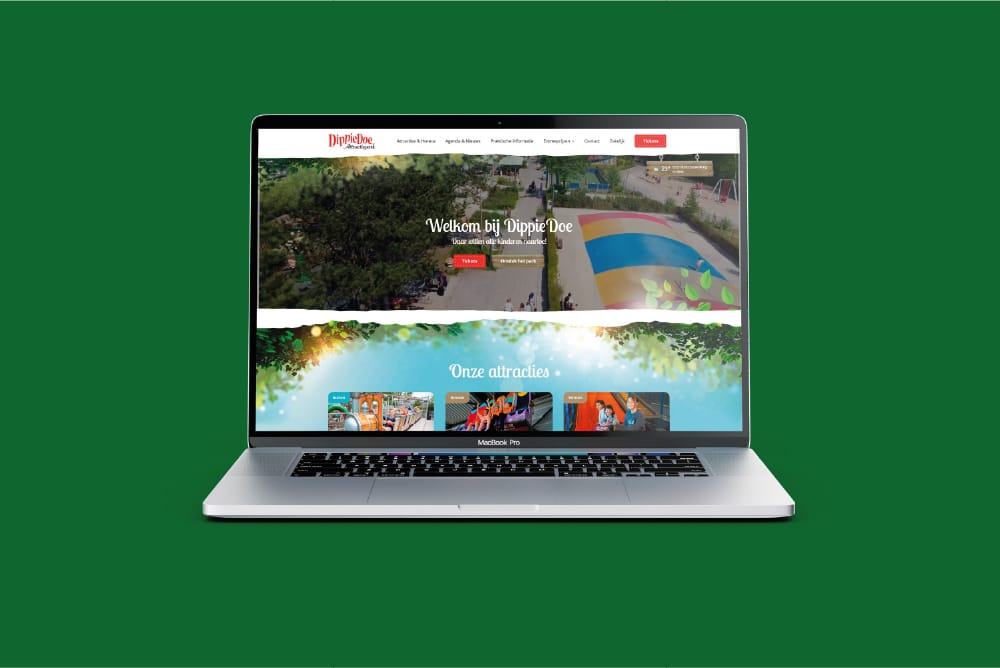
Flat design works well if you want users to navigate quickly, increase conversion and keep maintenance costs low. It is less suitable if your brand is all about emotion, luxury or a playful experience. A children's website, a high-end watch brand or a game developer often benefits from more visual richness. In those cases, material design or a hybrid approach may be a better fit. Choose flat design if functionality and speed are more important than visual impact. Choose a different style if your brand is distinguished by mood, texture or emotional connection.

Want to apply this to your business? Monkey Vision helps SME entrepreneurs with web design, SEO and smart digital solutions. Schedule a no-obligation meeting and find out what's possible for you.

Schedule an introduction

Frequently Asked Questions

No, although they have overlap. Flat design is a specific design style that works with flat shapes, bright colors and no depth effects. Minimalist design is a broader philosophy that revolves around "leaving out what isn't necessary. You can have a minimalist site with subtle shadows or textures, and that would not be flat design. Conversely, a flat design site can be full of elements and thus not be minimalist. In practice, many designers combine both: a clean, flat interface with only the essential elements. This gives the best of both worlds: speed and focus.

Flat design is the better choice if you have a large product catalog and speed is paramount. It loads quickly, works on any screen and doesn't distract from your products. Material design adds subtle shadows and animations that suggest depth. This can help if you want to guide users through a complex flow, such as a configurator or multi-step checkout. For a standard ecommerce store with filters, categories and product pages, flat design is more efficient. For an ecommerce store with a lot of interaction, such as a custom tool or a subscription model, material design can improve the user experience. Test both in a prototype if in doubt.

The biggest risk is that buttons and links are not recognizable. Without shading or borders, you have to rely on color contrast and white space. If those aren't properly aligned, users don't know where to click. That increases the bounce rate. A second pitfall is that flat design can become boring if you don't incorporate enough variety. Everything looks the same, eliminating hierarchy. Solve this by using typography, color and spacing deliberately. Test your design with real users before going live. Measure click behavior and heatmaps to see if interactive elements are clear.

The best approach depends on your current site and your goals. Want to know if flat design fits your industry, target audience and brand identity? Schedule a free 30-minute design scan at Monkey Vision. We walk through your current site or competitors live, discuss your conversion goals and give three concrete recommendations. You'll get instant insight into which design style works best for your situation, whether that's flat design, material design or a hybrid approach. No sales pitch, just practical advice. Book a web design session with Monkey Vision.

About the author

Monkey Vision

Monkey Vision is a full-service digital agency at Nijmegen, specializing in web design, SEO, and AI automation for small and medium-sized businesses. The knowledge base has been compiled by our team of online strategists and is continuously updated based on current insights.

Publication date: 26-04-2026
Last update: 26-04-2026