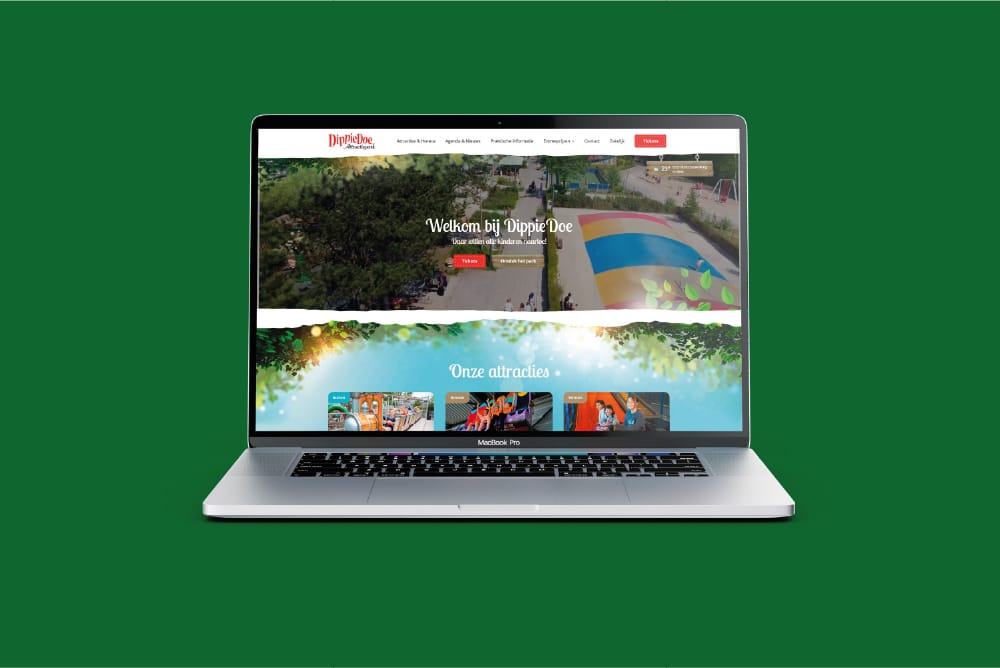
Visuals are all the visual content you use to convey information or elicit an emotional response. This includes photography, illustrations, video, icons, infographics, and animations. In practice, visuals form the visual layer of your communication, alongside text and design. For small and medium-sized businesses, visuals are crucial because visitors judge a website within three seconds and process visual material faster than text.
How image works in digital communications
Image operates through three mechanisms. First, it stands out: a strong image grabs attention faster than a block of text. Second, it translates complex information into a direct message. An infographic with process visualization makes clear at a glance what three paragraphs of text cannot. Third, images activate emotion and recognition. An authentic photo of your team or workplace gives visitors a sense of confidence. Technically, the human brain processes visual information 60,000 times faster than text, so images directly influence the effectiveness of your message. In web design and marketing, images largely determine whether visitors linger or click through.
Why image emerged as a communication tool
Visual communication has been around for thousands of years, from cave paintings to medieval manuscripts. With the rise of photography and print, images became scalable. In the digital world, images took on a new role: websites, social media and ecommerce run largely on visual content. The shift to mobile usage reinforced this, as smaller screens offer less space for text. Nowadays, the quality of your images helps determine whether visitors take you seriously. An ecommerce store with poor-quality stock photos loses conversion, while a B2B service provider with professional corporate photography exudes authority.
What image brings to SMEs
Good visuals lower bounce rate, increase time on page and improve conversion. An ecommerce store that shows products with multiple photos from different angles sees fewer returns because customers have a better idea of what they are buying. A consulting firm that illustrates case studies with photos of real projects builds trust faster than a competitor working with generic stock photos. Images also count for SEO: well-optimized images with alt text and descriptive file names improve your findability in Google Images and enhance the relevance of your page. In web design, a well thought-out image strategy helps get your message across faster. In addition, consistent images strengthen your brand identity and make you more recognizable in a crowded market.