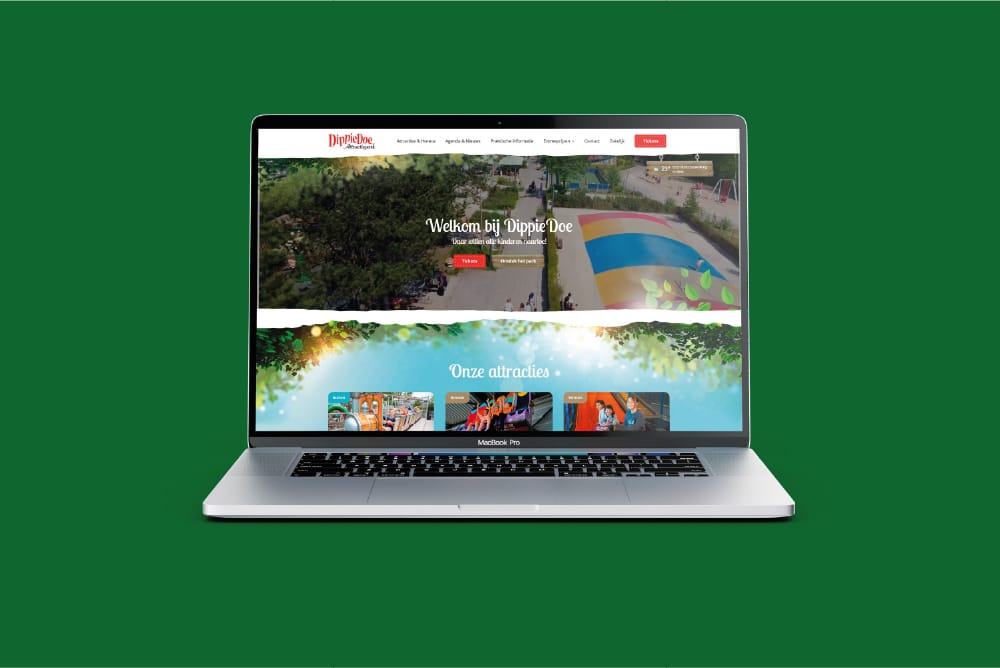
Having a website designed means hiring a specialist or agency to create your online platform. This includes brand strategy, visual design, user experience, technical development, and conversion optimization. The difference between building it yourself or using a template lies in the custom approach: a designer translates your business goals and target audience into a site that actually works. For small and medium-sized businesses, this is often the first serious investment in online visibility, once a standard template no longer meets their needs.
How the website design process works
A professional design process starts with strategy, not with color or a logo. You discuss the target audience, competitive positioning, and conversion goals. This is followed by information architecture: which pages do you need, and how does a visitor navigate the site? Next come wireframes, which define the layout and hierarchy without the distraction of color. Only then does visual design follow, bringing together brand identity, typography, and visual language. The final phase is technical development and testing for speed, accessibility, and mobile display. In practice, we see that small and medium-sized businesses often want to rush to the visual phase, while the strategy phase determines whether the site will actually deliver results later on.
Why custom design differs from standard templates
Templates are fast and affordable, but designed for a broad audience. An ecommerce store with 800 products needs different navigation than a B2B service provider with three packages. A template forces your story into a predetermined format. When you have a website custom-designed, you get a structure that aligns with your customer journey: how does a visitor enter the site, what concerns do they have, and what information do they need to convert? According to the W3C accessibility guidelines, custom development also requires deliberate choices regarding contrast, focus states, and semantic HTML—aspects that templates often overlook. The result is a site that’s not only visually appealing but also measurably outperforms others in terms of conversion rates and search engine visibility.
What website design wins for your business
A well-designed website lowers the barrier to first contact. Visitors more quickly understand what you do, who you help and why they should choose you. That translates into more inquiries, lower bounce rates and higher rankings in Google. At Monkey Vision , we see clients generate an average of 30 to 50 percent more contact moments after a redesign because visitors finally find what they are looking for. In addition, a professional design offers room for growth: new services, additional languages or an ecommerce store module are easier to add if the basis is good. A well thought-out web design process lays that foundation, so that your site scales with your ambitions. A strategic design is also crucial for search engine optimization: technical structure, loading speed and user experience help determine whether you can be found by Google.