Website ontwerp is het proces waarin je de visuele structuur, navigatie, typografie en interactie-elementen van een website plant en vormgeeft. Het omvat alle ontwerpbeslissingen die bepalen hoe bezoekers informatie vinden, begrijpen en gebruiken. Een goed website ontwerp combineert merkidentiteit met gebruiksvriendelijkheid en vertaalt bedrijfsdoelen naar klikbare schermen. Voor MKB-bedrijven is het de basis voor vertrouwen, conversie en vindbaarheid.
How website design works in practice
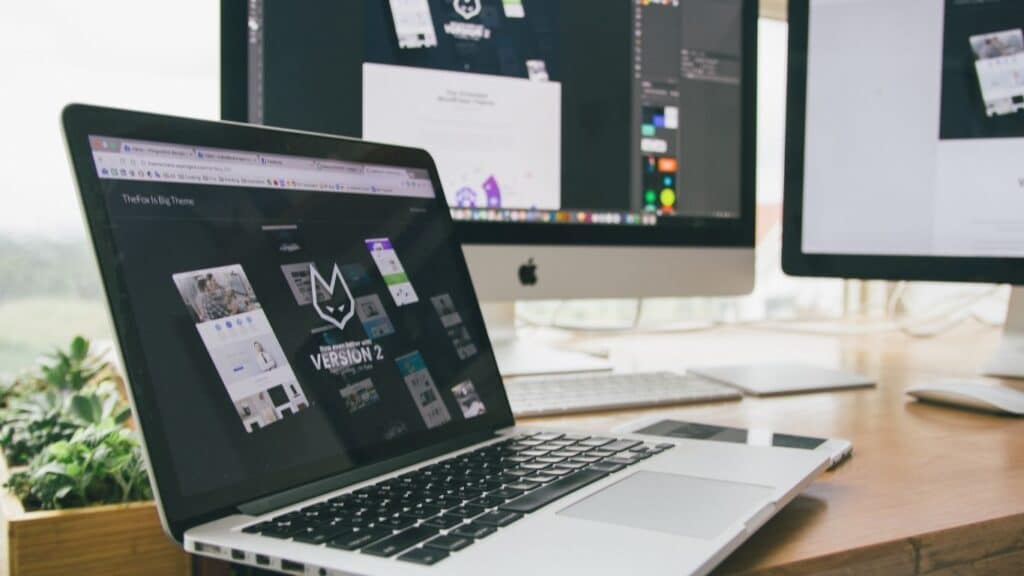
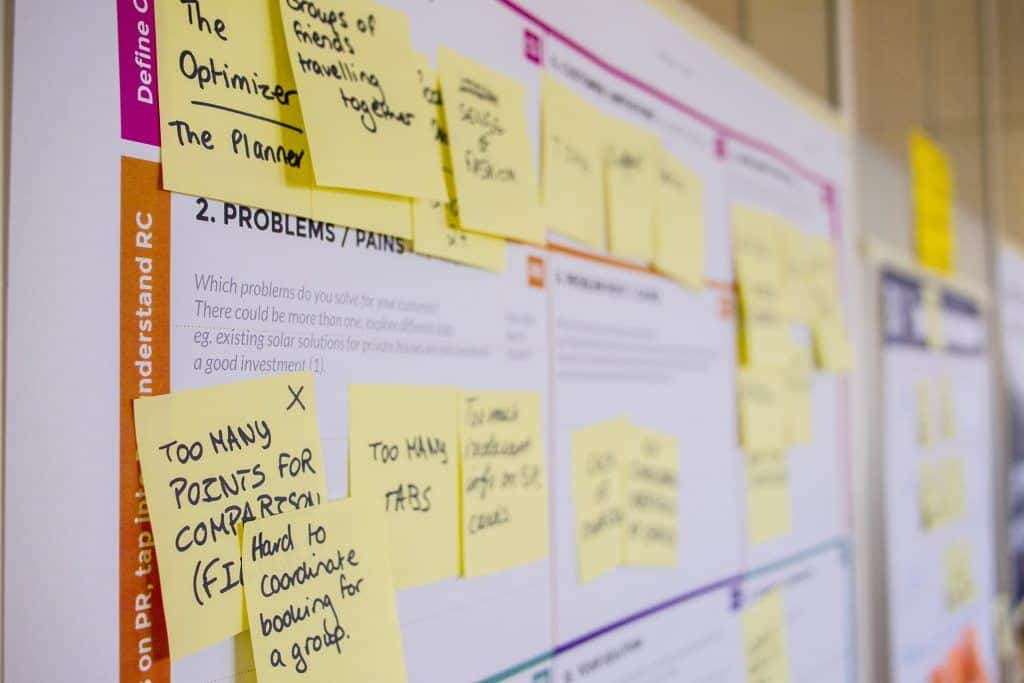
Website design begins with an analysis of your target audience, competitors and conversion goals. This is followed by wireframes that define the information hierarchy and navigation structure, without colors or images. Next comes a visual design that brings together your brand identity, colors, typography and imagery. Modern designers often work in tools like Figma or Webflow, in which you build interactive prototypes instantly. Every choice in layout, white space and buttons affects how much visitors read, click and contact you. In practice, we see that SMEs often start with a template, but it's the custom adjustments that make the difference in conversion and recognition.
Why website design came about and why it matters now
Website ontwerp ontstond in de jaren negentig toen websites overgingen van tekst-only pagina's naar visuele interfaces. Waar vroeger een HTML-tabel voldoende was, vragen bezoekers nu responsieve layouts, snelle laadtijden en duidelijke call-to-actions. Google beoordeelt sinds 2021 ook gebruikerservaring als rankingfactor via Core Web Vitals. Tegelijk is de aandachtsspanne van bezoekers gedaald: je hebt gemiddeld drie seconden om vertrouwen te wekken. Website ontwerp is daarmee verschoven van een creatieve exercitie naar een strategisch conversie-instrument.
What website design brings to SMEs
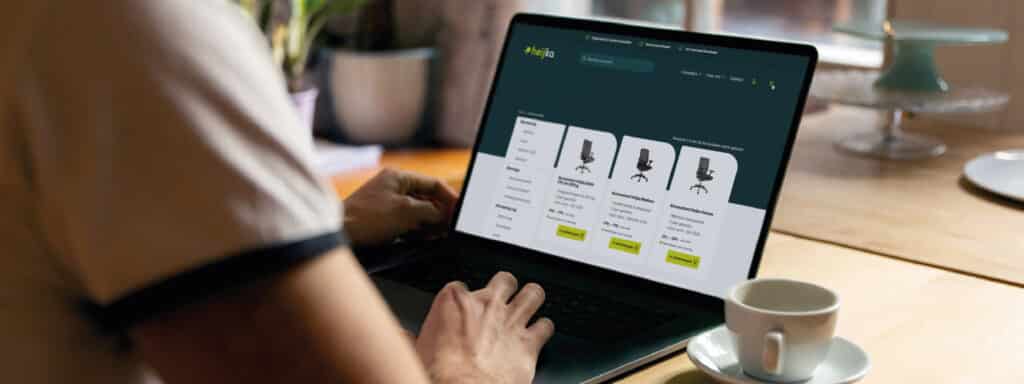
Thoughtful website design helps visitors understand more quickly what you do, why you are trustworthy and what step they should take. It lowers the bounce rate, increases time on page and improves conversion from visitor to lead. Combined with a thoughtful SEO strategy, it also increases your findability in Google. For ecommerce stores, design directly determines the checkout flow and therefore sales. At Monkey Vision we see that a redesign yields on average 30 to 40 percent more requests or sales, provided you apply the right user experience principles and test with real visitors.