Online Advertising SEA

SEA, Search Engine Advertising, search engine ads, paid search results, Google Ads, search engine marketing ads, paid search
Online advertising (SEA) is paid advertising through search engines such as Google Ads, where you pay per click. It is relevant for immediate visibility and lead generation.

What is online advertising (SEA)?

Online adverteren SEA (Search Engine Advertising) is het plaatsen van betaalde advertenties in zoekmachines zoals Google, waarbij je per klik betaalt. Je advertentie verschijnt bovenaan of onderaan de zoekresultaten wanneer iemand zoekt op een door jou gekozen zoekwoord. Het verschil met organische SEO is dat je direct zichtbaar bent zodra je campagne actief is, maar je betaalt voor elk bezoek. Voor MKB-bedrijven is SEA een manier om snel gekwalificeerd verkeer naar je website te halen, vooral bij nieuwe producten, seizoensacties of concurrerende markten.

How does online SEA advertising work in practice?

You start by choosing the keywords you want to advertise on. Next, you write an ad copy with a headline, description, and URL. In Google Ads, you set a daily budget and a maximum cost-per-click (CPC). Google determines whether your ad appears based on your bid, the quality of your ad, and the relevance of your landing page. This is called Ad Rank. The higher your Ad Rank, the more frequently and higher up your ad will be displayed. You only pay when someone clicks on your ad. For example, an ecommerce store selling gardening supplies can advertise for the search term β€œbuy garden furniture” and pay between 0.50 and 2.50 euros per click, depending on the competition.

Why online advertising (SEA) emerged and why it’s important today

SEA emerged in the early 2000s when Google launched AdWords as an alternative to banner ads. Advertisers wanted to pay only for results, not for impressions. The pay-per-click model proved effective because it was measurable and scalable. Today, SEA is crucial for companies that want to gain visibility quickly in a competitive market. Organic SEO takes months, while SEA delivers visitors within a day. Especially in sectors with high search volumes and strong competitionβ€”such as insurance, recruitment, or ecommerceβ€”SEA is often the fastest route to new customers.

What online advertising (SEA) delivers for small and medium-sized businesses

Met SEA krijg je directe controle over je zichtbaarheid. Je kunt kiezen op welke zoekwoorden je verschijnt, op welke locaties je adverteert en op welk moment van de dag. Je ziet in real-time hoeveel kliks je krijgt, wat ze kosten en hoeveel conversies daaruit voortkomen. Een B2B-dienstverlener kan bijvoorbeeld alleen adverteren op werkdagen tussen 9 en 17 uur, gericht op beslissers in de Randstad. Dit maakt SEA voorspelbaar en schaalbaar. Bij Monkey Vision helpen we MKB-bedrijven met het opzetten van een SEO- en SEA-strategie die organische groei combineert met gerichte betaalde campagnes. Zo bouw je merkbekendheid op terwijl je direct leads binnenhaalt.
Applications of Online Advertising (SEA)

Online advertising (SEA) is not a one-size-fits-all solution. How you use it depends on your business goals, your profit margin, and the stage your company is in. Below are four specific applications we often see among small and medium-sized businesses, plus a decision-making framework to help you determine when SEA isβ€”or isn’tβ€”the right choice.

Product launches and seasonal promotions

If you’re launching a new product or running a short-term promotion, you want to gain visibility quickly. SEA is ideal here because you can go live within a day. For example: a sports nutrition ecommerce store launches a new protein shake and aims to sell 500 units in two weeks. Through SEA, you advertise on search terms like β€œbuy protein shake” and β€œwhey protein sale.” You direct visitors to a landing page featuring a limited-time discount. By testing ad copy and adjusting your bidding strategy, you optimize the campaign on a daily basis. The result: predictable sales within a tight timeframe. This also works for seasonal businesses such as garden centers, caterers, or ski rental companies.

Lead generation for B2B services

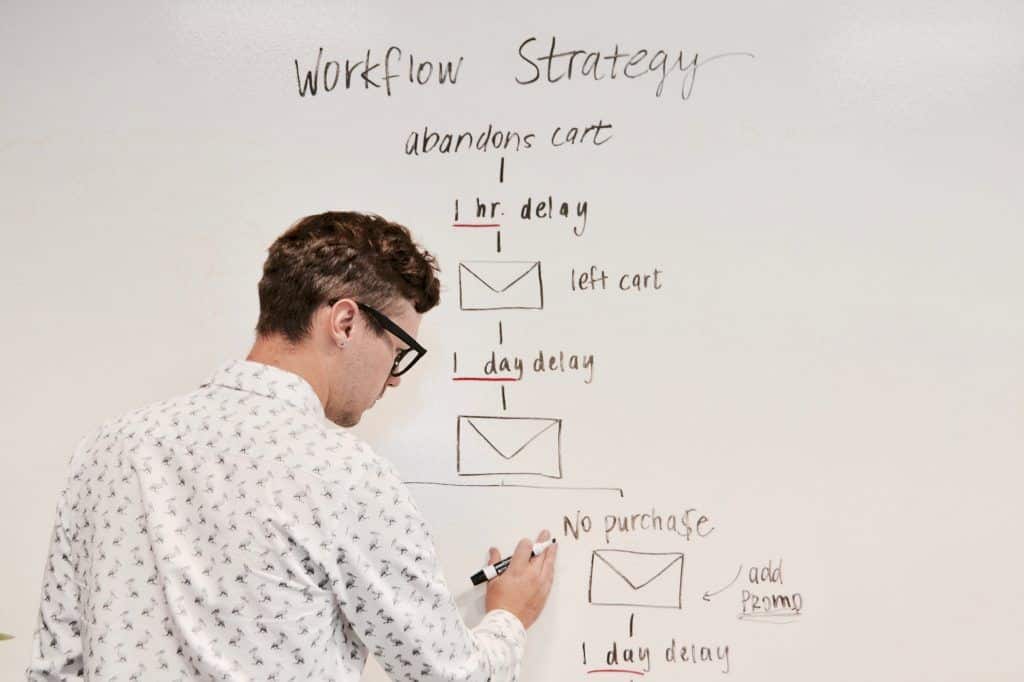
B2B companies with a longer sales cycle use SEA to generate qualified leads. Think of an HR consulting firm advertising β€œdeveloping an absenteeism policy” or an IT service provider targeting β€œISO 27001 certification.” Your ad addresses a specific need and leads to a white paper, a quick scan, or an intake interview. By using audience targeting, you exclude consumers and focus on companies with 10 or more employees. The cost per lead is often between 30 and 150 euros, depending on the niche. A well-designed campaign generates 10 to 20 qualified leads per month, which you can then follow up on via your CRM.

Competition based on brand name and comparison keywords

Als jouw concurrenten sterk staan in organische zoekresultaten, kun je via SEA toch zichtbaar blijven. Je kunt adverteren op de merknaam van een concurrent of op vergelijkingszoekwoorden zoals "alternatief voor [merk]" of "goedkoper dan [concurrent]". Dit is een tactiek die vooral werkt in markten met weinig differentiatie, zoals softwaretools, verzekeringen of energieleveranciers. Let op: adverteren op andermans merknaam mag, maar je mag de merknaam niet in je advertentietekst gebruiken zonder toestemming. Een voorbeeld: een lokale fietsenwinkel adverteert op "Gazelle dealer Nijmegen" terwijl een concurrent die term organisch domineert. Zo vang je alsnog een deel van het zoekverkeer op.

Remarketing to previous website visitors

Niet elke bezoeker converteert meteen. Met SEA-remarketing kun je advertenties tonen aan mensen die je website al bezochten maar geen actie ondernamen. Dit werkt via het Google Display Network of via zoekadvertenties met RLSA (Remarketing Lists for Search Ads). Een voorbeeld: iemand bekijkt een offertepagina voor webdesign maar vult geen formulier in. Een week later zoekt diezelfde persoon op "website laten maken Nijmegen" en ziet jouw advertentie met een herkenbare boodschap. De kans op conversie is nu veel hoger omdat er al merkbekendheid is. Bij Monkey Vision combineren we dit vaak met webdesign-trajecten waarin we landingspagina's optimaliseren voor zowel organisch als betaald verkeer.

When is online advertising (SEA) the right choice, and when is it not?

SEA makes sense if you can measure a clear conversion, have sufficient margin to cover the cost-per-click, and need quick results. It works less well with low margins, unclear target audiences, or products that nobody is actively searching for. A common mistake we see: companies launch a campaign without a clear landing page or without conversion tracking. That’s just throwing money away. Choose SEA if you have a clear offer, a strong story, and the capacity to follow up on leads immediately. Choose organic SEO if you’re in it for the long haul and want to build sustainable visibility without ongoing advertising costs.

Want to apply this to your business? Monkey Vision helps SME entrepreneurs with web design, SEO and smart digital solutions. Schedule a no-obligation meeting and find out what's possible for you.

Schedule an introduction

Frequently Asked Questions

No, SEA is broader than just Google Ads. SEA stands for Search Engine Advertising and encompasses all paid ads in search engines, including Bing Ads and Yahoo. In practice, 95% of Dutch search traffic goes through Google, making Google Ads by far the most important platform. But technically speaking, Google Ads is just one tool within SEA. If you advertise on Bing, you reach a slightly older target audience and often pay lower costs per click. For most small and medium-sized businesses, Google Ads is sufficient, but in niches with little competition, Bing can be a smart addition.

That depends on your time horizon and budget. SEO builds organic visibility and delivers free traffic over time, but it takes 4 to 12 months before you see results. SEA delivers visitors immediately, but stops as soon as your budget runs out. Do you have a new ecommerce store or service? Then start with SEA to generate immediate traffic while working on SEO in parallel. Do you already have a strong organic position? Use SEA selectively for competitive keywords or seasonal spikes. The best approach combines both: SEA for speed and control, SEO for sustainable growth. At Monkey Vision , we help you with an integrated SEO and SEA strategy tailored to your growth stage.

The biggest mistake is advertising without clear conversion goals or tracking. Then you won’t know if a click is yielding any results. Other pitfalls: using keywords that are too broad, which attract irrelevant traffic; failing to set up negative keywords; or having a generic landing page that doesn’t align with the ad. For example: you’re advertising β€œgarden furniture,” but your landing page shows all products. Visitors don’t see a clear offer and click away. Ensure a tight match between the keyword, ad copy, and landing page. Also, test your ad copy regularly and adjust your bidding strategy based on conversion data. Without this foundation, you’re wasting your budget.

The best approach starts with a clear assessment of your goals, profit margin, and target audience. Are you looking for leads, sales, or brand awareness? What is your acceptable cost per conversion? What keywords does your ideal customer use? Schedule a free 30-minute SEA scan at Monkey Vision. We’ll review your current situation, perform an analysis of your competition, and immediately provide three areas for improvement that you can tackle this week. You’ll receive honest advice on feasibility, a realistic budget estimate, and a concrete step-by-step plan. No sales pitchβ€”just practical insights. Schedule your SEA scan here and discover what online advertising can do for your business.

About the author

Monkey Vision

Monkey Vision is een full-service digitaal bureau in Nijmegen, gespecialiseerd in webdesign, SEO en AI-automatisering voor het MKB. De kennisbank is samengesteld door ons team van online-strategen en doorlopend bijgehouden op basis van actuele inzichten.

Publication date: June 12, 2026
Last updated: June 12, 2026