Audience Targeting

Target group targeting, Target group segmentation, Audience targeting, Audience targeting, Audience Segmentation
Audience targeting is targeting ads or content to specific audience segments based on behavior, interests or characteristics. It increases returns by avoiding irrelevant reach.

What is Audience Targeting?

Audience targeting is het richten van advertenties, content of aanbiedingen op specifieke groepen mensen, op basis van hun gedrag, interesses, demografische kenmerken of eerdere interacties met je merk. In plaats van iedereen te bereiken, focus je op mensen die het meest waarschijnlijk klant worden. Dat maakt je advertentiebudget efficiënter dan breed targeten.

How audience targeting works in practice

Audience targeting builds on data that platforms such as Google, Meta or LinkedIn collect about user behavior. You can choose from demographic filters such as age and location, behavioral segments such as website visitors or previous buyers, and interests such as "home furnishings" or "business software. Modern platforms also offer lookalike audiences: algorithms look for new users who resemble your best customers. You combine these filters into a targeting segment and link an ad, landing page or email campaign to it. The platform shows your message only to people who meet your criteria. That way you reach exactly the group you want to convince.

Why audience targeting came about and why it matters now

Before digital platforms collected behavioral data, advertising was a gamble: you placed an ad in a newspaper or on TV and hoped the right people were watching. With the advent of cookie tracking, account-based login and pixel data around 2010, it became possible to track and segment individual behavior. Since then, audience targeting has been the standard in online marketing. For SMBs, it is now crucial because budgets are limited: every euro must yield a measurable return. Without targeting, you also advertise to people who never become customers, making your cost per acquisition unnecessarily high.

What audience targeting brings to SMBs

Met audience targeting verhoog je de relevantie van je campagnes en verlaag je verspilling. Een webshop in tuinartikelen kan bijvoorbeeld adverteren naar mensen die recent een tuin hebben laten aanleggen of tuinblogs lezen, in plaats van naar iedereen met een postcode. Dat levert hogere klikratio's en meer conversies op. Je kunt ook bestaande klanten uitsluiten van acquisitieccampagnes, of juist een aparte upsell-campagne naar hen richten. Bij een doordachte SEO-strategie combineer je organische vindbaarheid met gerichte advertenties voor snellere groei. Bedrijven die audience targeting inzetten zien vaak binnen twee maanden een daling van 20 tot 40 procent in kosten per conversie, omdat ze minder budget kwijt zijn aan irrelevante impressies.

Applications of Audience Targeting

Audience targeting is broadly applicable, from ads to content and email. The power lies in linking the right message to the right stage in the customer journey. Below are four concrete scenarios in which SMBs use audience targeting to increase returns, plus a decision framework on when it fits or doesn't fit.

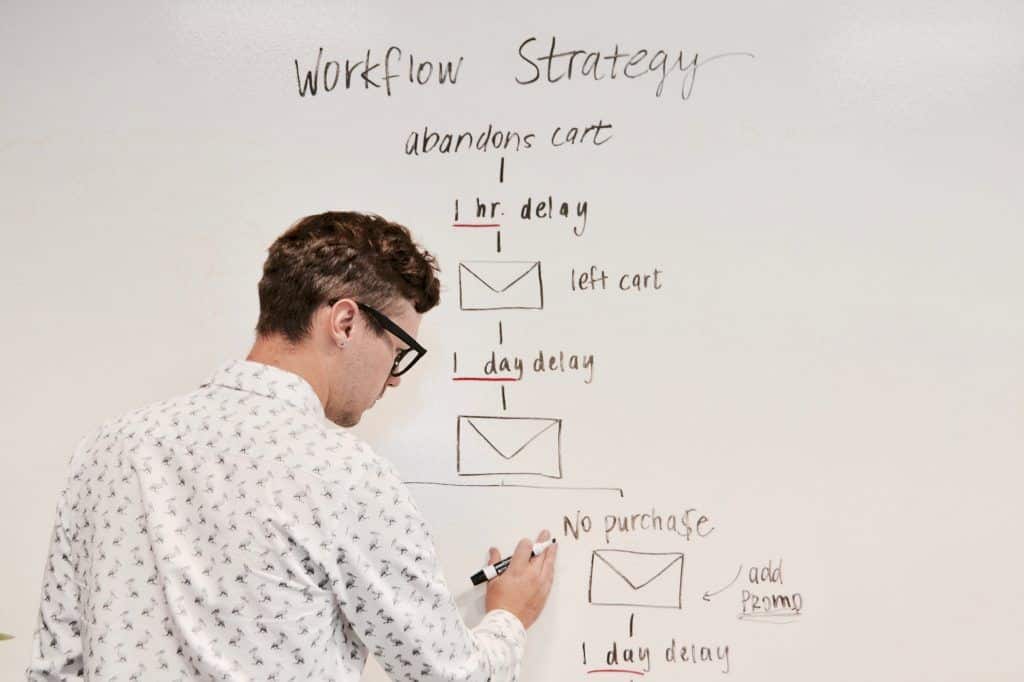
Retargeting website visitors who do not convert

Many visitors leave your site without action. With retargeting, you place a pixel on your website and build an audience of people who viewed a product page but didn't order. You then show them an ad with a discount code or social proof. This works well for ecommerce stores and B2B service providers with longer decision cycles. An example: a Nijmegen kitchen specialist saw that 80 percent of the quote requests did not go through. By showing retargeting ads with customer reviews to visitors who used the configurator, the conversion rate increased by 18 percent in six weeks. Retargeting is effective because you advertise to people who already showed interest, which lowers the barrier.

Lookalike audiences for scalable acquisition

If you have a list of existing customers, you can ask platforms like Meta or Google to find similar profiles. This is called a lookalike audience. The algorithm analyzes characteristics such as interests, location and online behavior of your customers and looks for new users with similar patterns. This works especially well if you have at least 100 conversions to learn from. An example: an online toy store uploaded the email addresses of customers who ordered at least twice. The lookalike campaign yielded 32 percent lower acquisition costs than broad targeting. Lookalikes scale quickly, but require a healthy data base and regular refreshing to avoid dilution.

Geographic and demographic filtering for local services

For companies with a physical location or regional operating area, geographic targeting is essential. You can limit ads to a 10 kilometer radius around your facility, or to specific zip code areas. Combine this with demographic filters such as age or household income for even sharper targeting. As an example, an Arnhem dental practice targeted Google Ads to families with children between the ages of 25 and 45 within 15 kilometers. By tailoring the message to youth dental care, the number of appointments increased by 40 percent in three months. This type of targeting also works for events, hospitality and business services with a distinct catchment area. Couple it with local SEO for maximum visibility in your region.

Account-based marketing for B2B with long sales cycles

In B2B with large deals and multiple decision makers, you can use audience targeting at the account level. Platforms like LinkedIn let you advertise to specific companies, job titles or industries. You build a list of 50 to 200 target accounts and show them relevant content at each stage: white papers for awareness, case studies for consideration, demo offers for decision. An example: a software vendor in logistics targeted LinkedIn ads to operations managers at transportation companies with more than 50 employees. By showing different content for each stage, the number of qualified leads increased by 60 percent. Account-based marketing does require close cooperation between marketing and sales, otherwise leads will remain unfulfilled.

When audience targeting is the right choice and when it is not

Audience targeting pays off if you have a clear customer profile, enough budget to test and the infrastructure to measure conversions. It is less suitable if your target group is too broad or too niche: with too broad a group you lose the benefit of precision, with too small a group you reach too little volume to make campaigns profitable. Even without good analytics, you can't judge whether targeting is working. Start with one segment, test for four weeks and only scale when the cost per conversion is acceptable. Avoid the mistake of testing too many segments at once: that fragments budget and makes analysis impossible.

Want to apply this to your business? Monkey Vision helps SME entrepreneurs with web design, SEO and smart digital solutions. Schedule a no-obligation meeting and find out what's possible for you.

Schedule an introduction

Frequently Asked Questions

No, they are two different concepts that complement each other. Audience targeting is about selecting the right group of people for your campaign, based on characteristics such as behavior or demographics. Personalization is about tailoring the message or experience for each individual within that group. For example, you can target an audience of Web shop visitors who abandoned their shopping cart, and then personalize the ad by showing the specific product they left behind. Targeting determines who you reach, personalization determines what they see. In practice, you often work both together: first you segment the target audience, then you customize the content. Without targeting, you reach too many irrelevant people; without personalization, your message remains generic.

It depends on your goal and data base. Retargeting works best when you already have traffic but conversion lags: you advertise to people who showed interest but did not take action. This often yields quick profits with low cost per conversion. Lookalike audiences are appropriate if you want to grow beyond your existing reach and have at least 100 conversions to learn from. If you're just starting out, start with retargeting: it gives quick returns and builds data. Once you have a healthy customer database, test lookalikes to discover new segments. Many SMBs combine both: retargeting for conversion, lookalikes for acquisition. Just make sure you keep budgets separate, otherwise campaigns cannibalize each other and analysis becomes impossible.

The most common mistake is creating segments that are too narrow without sufficient reach. If your target audience is smaller than 1,000 people, algorithms don't get enough data to learn and costs remain high. A second pitfall is not refreshing audiences regularly: a lookalike based on customers from two years ago does not reflect your current ideal profile. Third, companies often ignore AVG obligations around consent and data processing, resulting in fines. Make sure your cookie banner is set up correctly and that you only use data for which you have consent. Finally, many companies test too many variants at once, fragmenting budgets and preventing any one segment from getting enough impressions to deliver significant results. Test one variable per cycle.

The best approach depends on your current situation and goals. Do you already have campaigns running but want to increase returns? Or are you starting from scratch and looking for the fastest way to conversion? In a free 30-minute online marketing scan we analyze your current target group, existing data and conversion funnel. You immediately get three concrete targeting segments that fit your customer profile, plus an estimate of budget and lead time. No sales pitch, just practical advice on which platforms and which audiences best fit your industry and growth stage. Schedule a session and find out which targeting strategy makes the difference for your business.

About the author

Monkey Vision

Monkey Vision is a full-service digital agency at Nijmegen, specializing in web design, SEO, and AI automation for small and medium-sized businesses. The knowledge base has been compiled by our team of online strategists and is continuously updated based on current insights.

Publication date: 26-04-2026
Last update: 26-04-2026