Ecommerce marketing includes all online marketing activities aimed at attracting visitors to your ecommerce store, increasing conversions and encouraging repeat purchases. It combines search engine optimization, paid advertising, email marketing, social media and content marketing into one cohesive system. For SME ecommerce stores with 50 to 5,000 products, this is the core of structural revenue growth.
How ecommerce marketing works in practice
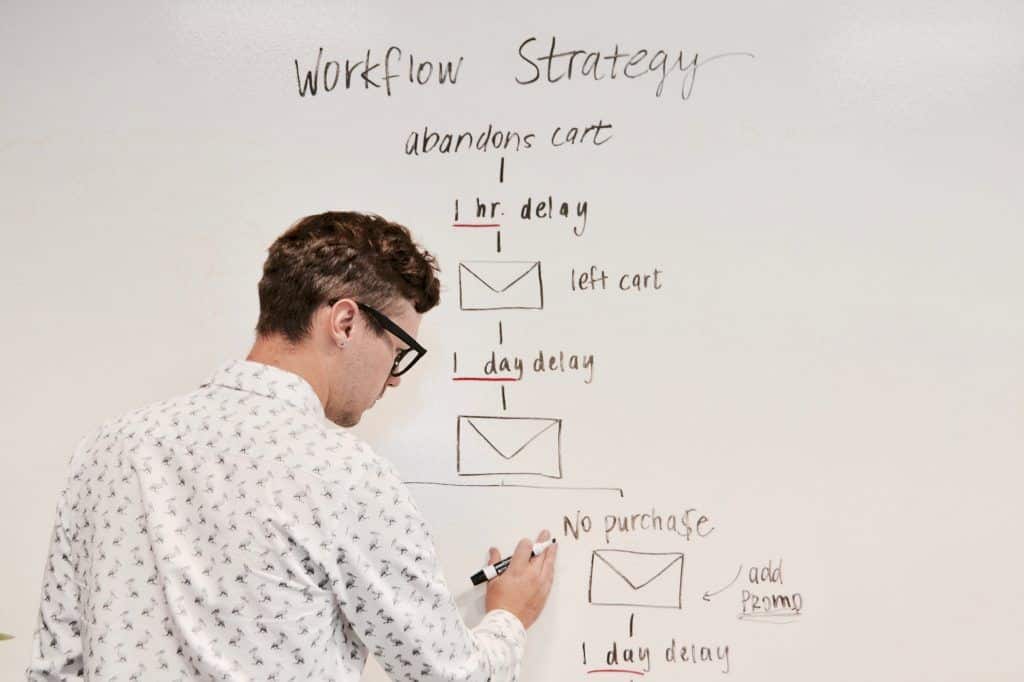
Ecommerce marketing follows the entire customer journey, from first encounter to repeat purchase. You start with findability through search engine optimization for product pages and categories, so potential buyers find you in relevant searches. You also deploy paid channels such as Google Shopping and social media ads to get immediate visibility. Email marketing activates existing customers and abandoned shopping carts. Retargeting brings back visitors who haven't bought yet. Each channel has its own role, but only works optimally as part of a total strategy that matches your assortment, margin and customer behavior.
Why ecommerce marketing is crucial now
Online shopping is no longer a new phenomenon, but competition for attention is only increasing. Where a basic Web shop with some Google Ads used to suffice, buyers now expect relevant product recommendations, personalized emails and a seamless experience across all channels. At the same time, advertising costs have risen and organic visibility has become more difficult. Ecommerce marketing helps you grow profitably despite those pressures by smartly choosing which channels and tactics fit your products and audience. The difference between ecommerce stores that are growing and those that are stagnant is often in the quality of the marketing strategy, not in the assortment.
What ecommerce marketing brings to your ecommerce store
With a well-executed ecommerce marketing strategy, you increase brand awareness, attract more qualified traffic to your shop and increase conversion rates. You gain insight into which channels generate the highest average order value and where your marketing budget is paying off best. You activate existing customers through targeted campaigns, which increases the customer lifetime value. In practice, we see that a professional ecommerce store combined with structural ecommerce marketing delivers a measurable increase in sales within six to twelve months, provided you have realistic expectations and continue to optimize based on data.