Branding Design

Brand identity design, Brand identity design, Brand design, Visual identity, Corporate design
Branding design is the visual translation of your brand identity into recognizable elements such as logo, use of color, typography and design language. It makes your brand visible and distinctive.

What is branding design?

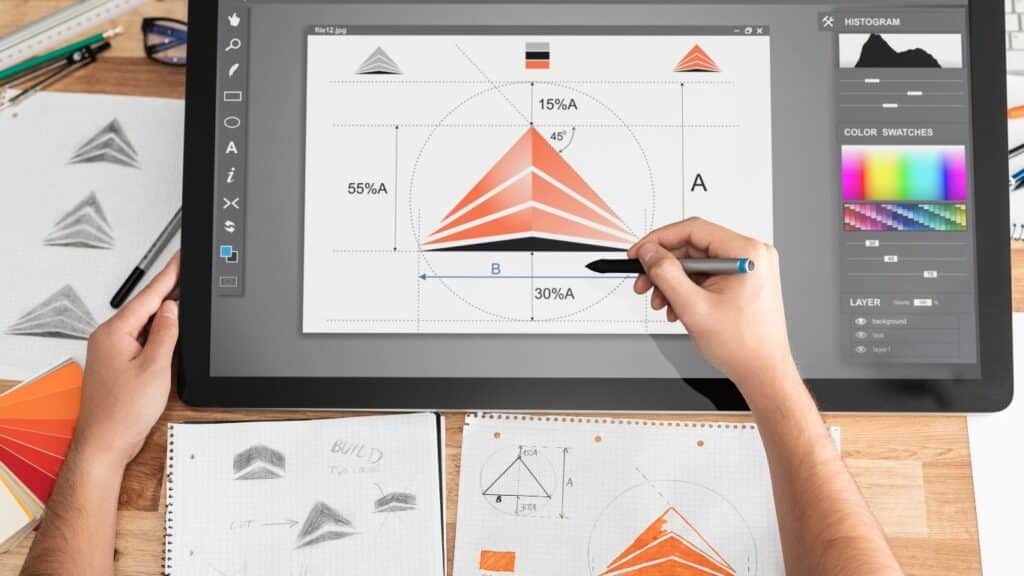
Branding design is the visual design system you use to make your brand identity visible and apply it consistently. It includes logo, color palette, typography, visual style, iconography and design language that together form a recognizable whole. These elements form the visual language with which your brand communicates in all contact moments with your target audience. For SMBs, branding design is the difference between a random provider and a brand that customers remember and trust.

How branding design works in practice

Branding design translates brand strategy into visible elements. It starts with core values and positioning that you have established in a brand strategy. A designer translates these abstract attributes into concrete visual choices. A law firm that exudes reliability and experience chooses different colors and fonts than a startup that emphasizes innovation and speed. The design process produces a brand guide with guidelines for logo use, color codes, fonts, visual style and layout. This guide ensures that every point of expression, from website to business card, speaks the same visual language. Consistency in branding design builds recognition and trust.

Why branding design came about and matters now

Branding design grew out of the need to differentiate brands in a crowded marketplace. Where companies used to compete primarily on product and price, visual identity became a strategic weapon. Think of how Apple, Nike or Coca-Cola are instantly recognizable through their visual system. For Dutch SMEs, that principle is equally relevant. Customers make dozens of choices between providers every day. A well thought-out visual system helps you stand out, be remembered and gain trust. In a digital world where your first impression often originates online, branding design determines whether a visitor stays or clicks away.

What branding design delivers for SMEs

A strong visual design system makes your brand recognizable and professional. Customers remember you faster and experience more trust. At Monkey Vision , we see that companies with thoughtful branding design can more easily attract new customers and charge higher prices. An ecommerce store with consistent visual identity converts better than a site with random colors and fonts. A B2B service provider with professional design wins trust in bids faster. Branding design also supports internal processes: employees know what presentations, quotations and social posts should look like. This saves time and prevents visual noise. A well thought-out brand identity is the basis for all marketing communications and strengthens your position in the market.

Applications of branding design

Branding design comes to life wherever your brand is visible. From digital channels to physical displays, every touch point requires consistent visual translation. Below you can see how SMB companies use branding design to reinforce recognition and build trust.

Website and digital channels as a visual signboard

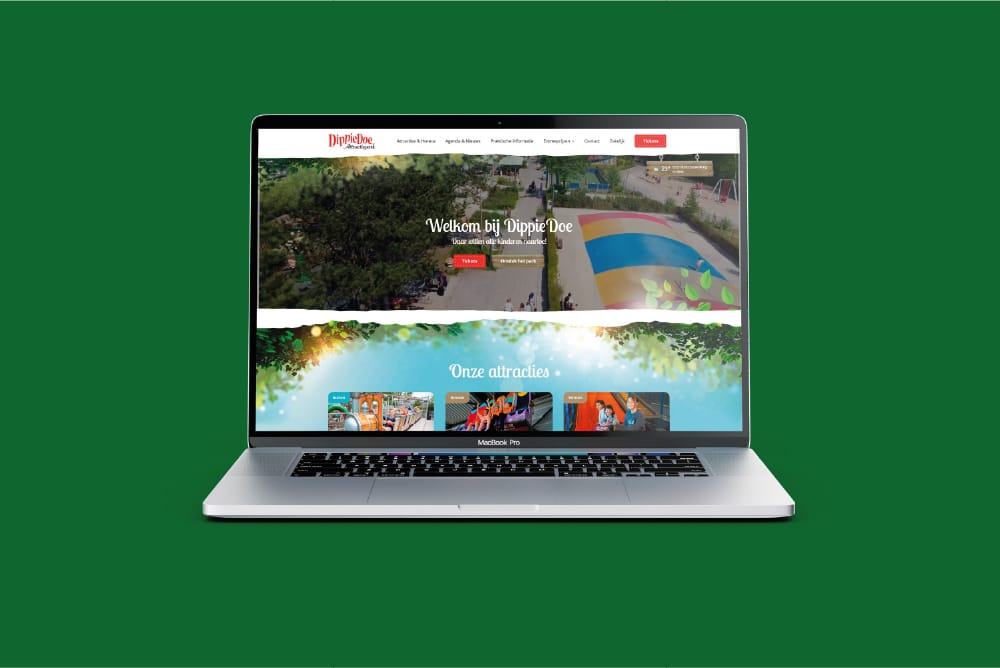
Your website is often the first moment of contact with potential customers. Branding design determines whether visitors stay or click away. Colors, typography and visual style should convey your brand identity directly. An IT service provider with a clean, uncluttered design language exudes professionalism. A creative agency, on the other hand, may play with color and dynamism. The visual choices on your homepage, product pages and contact form should be consistent. Your social media statements, newsletters and advertisements also follow the same system. That way, people recognize your brand immediately, whether they encounter you on LinkedIn, Instagram or Google Ads. A thoughtful website translates your branding design into a user-friendly and recognizable experience.

Offline expressions and physical touchpoints

Branding design works just as hard on paper as it does on screens. Business cards, brochures, packaging and signage all carry your visual identity. An ecommerce store that ships products impresses with branded boxes and stickers. A consultant who delivers a quote in a cleanly formatted PDF with recognizable design looks more professional than a competitor with a standard Word template. Trade show booths, corporate apparel and vehicle lettering enhance your visibility. With physical displays, consistency is crucial: the same colors, fonts and logo use as online. This ensures that customers experience you offline and online as the same brand. Many SMEs underestimate the power of a recognizable envelope or a sleekly designed invoice.

Internal processes and brand management

Branding design also helps your team. A brand guide with clear guidelines prevents employees from using random fonts or colors. Templates for presentations, proposals, and social media posts ensure that everyone applies the visual identity correctly. This saves time and avoids discussions. A new colleague can immediately create an on-brand Instagram post without involving a designer. For growing companies, this is scalability: your brand identity remains consistent, even as your team grows. Branding design also supports brand management: you can measure whether communications comply with your guidelines and make adjustments where necessary. This keeps your brand cohesive and recognizable, even when dozens of people are working with it.

When branding design is the right choice and when it is not

Branding design is valuable if you want to build recognition and trust. It pays off especially for companies competing in crowded markets, where visual identity makes all the difference. Think B2C ecommerce stores, service providers with a lot of customer contact, or B2B companies that need to exude professionalism. Branding design is less urgent if your product is so unique that customers find you anyway, or if you compete only on price. A local wholesaler that supplies only regular customers will benefit less from extensive visual design than a startup looking to conquer new markets. Start branding design when your brand strategy is clear. Without clear positioning, visual design becomes arbitrary. Invest in strategy first, then design.

Want to apply this to your business? Monkey Vision helps SME entrepreneurs with web design, SEO and smart digital solutions. Schedule a no-obligation meeting and find out what's possible for you.

Schedule an introduction

Frequently Asked Questions

No, a logo is only one part of branding design. Branding design includes the entire visual system: logo, color palette, typography, visual style, iconography and form language. A logo is the face of your brand, but branding design determines how that face behaves in all expressions. Think of an ecommerce store: the logo is in the header, but the colors, buttons, fonts and images together tell the brand story. A strong logo without a consistent system loses power. Conversely, an average logo can become strong if it is part of a thoughtful visual design. In corporate identity development, you work on the complete picture, not just the logo.

Branding design comes before web design. Your visual brand identity determines what your website looks like, not the other way around. If you first develop a website without a brand guide, you end up with a random collection of colors and fonts. Adding a brand identity later means redesigning the site. More effective is to first establish your branding design: colors, typography, visual style and form language. Then translate that system to your website, as well as business cards, social media and other expressions. That way, everything stays consistent. For SMBs considering a new website: invest in a brand guide first. That saves redesigns and ensures that your digital and offline expressions tell the same story. Web design is the application of branding design to a digital platform.

The biggest mistake is inconsistency. Companies use different logo versions, colors and fonts on website, social media and print materials. This weakens recognition. Another mistake is design without strategy: pretty shapes without a clear brand message. The result is a visual identity that doesn't match your target audience or positioning. Many SMEs also copy trends without thinking about whether they fit their brand. A local bakery with a tech startup logo feels unreal. Overly complex designs are also a pitfall: logos that are not readable at small sizes, or color palettes with ten shades that no one can remember. Good branding design is simple, consistent and strategically sound. Test your design on different formats and channels before rolling it out.

The best approach depends on where you are now. Do you already have a logo but no consistent expressions? Or are you starting from scratch? Schedule a free 30-minute brand consultation with Monkey Vision. We'll look at your current visual identity, discuss your target audience and positioning, and outline what steps fit your situation. You will get immediate insight in what is strong and where there are opportunities, plus a concrete proposal for a brand guide or rebranding process. Not a sales pitch, but clear advice. Discover how professional branding design makes your brand visible and distinctive.

About the author

Monkey Vision

Monkey Vision is a full-service digital agency at Nijmegen, specializing in web design, SEO, and AI automation for small and medium-sized businesses. The knowledge base has been compiled by our team of online strategists and is continuously updated based on current insights.

Publication date: 26-04-2026
Last update: 26-04-2026