UX Designer

User Experience Designer, UX designer, User experience designer, Interaction designer, UX/UI Designer, Experience Designer
A UX Designer designs the user experience of digital products such as websites and apps. They make sure visitors find what they are looking for quickly.

What is a UX Designer?

Een UX Designer ontwerpt de gebruikerservaring van digitale producten zoals websites, webshops en apps. Ze onderzoeken hoe bezoekers een site gebruiken, waar ze vastlopen en wat ze nodig hebben om hun doel te bereiken. Op basis van dat inzicht maken ze wireframes, prototypes en interactiepatronen die ervoor zorgen dat bezoekers snel en zonder frustratie vinden wat ze zoeken. Het verschil met een grafisch ontwerper: een UX Designer richt zich op functionaliteit en gebruiksvriendelijkheid, niet primair op visuele uitstraling.

How does a UX Designer work in practice?

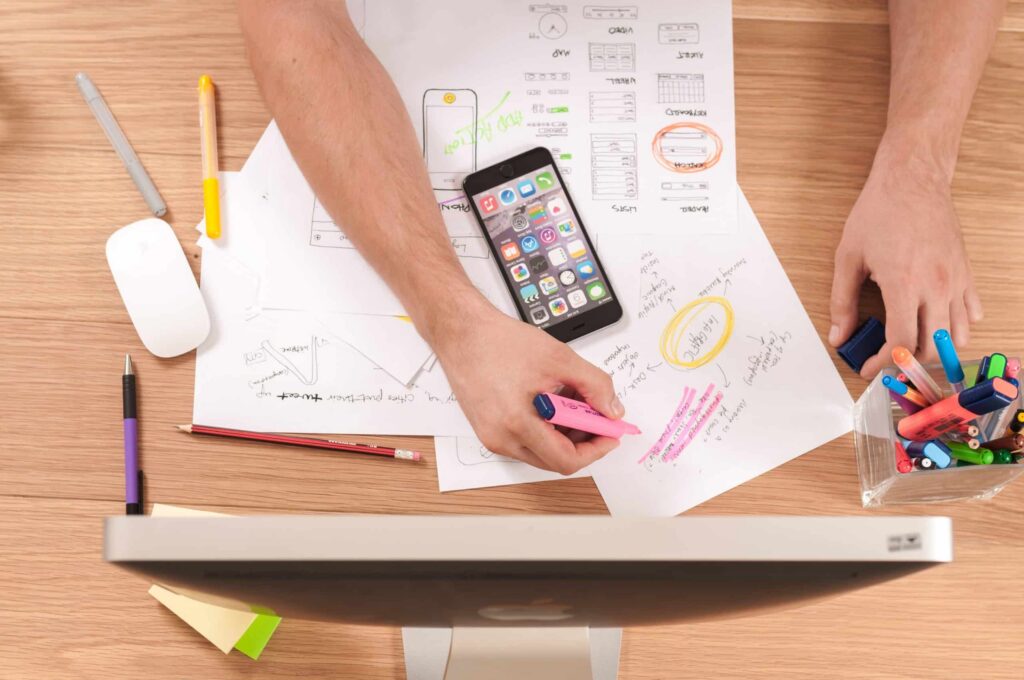
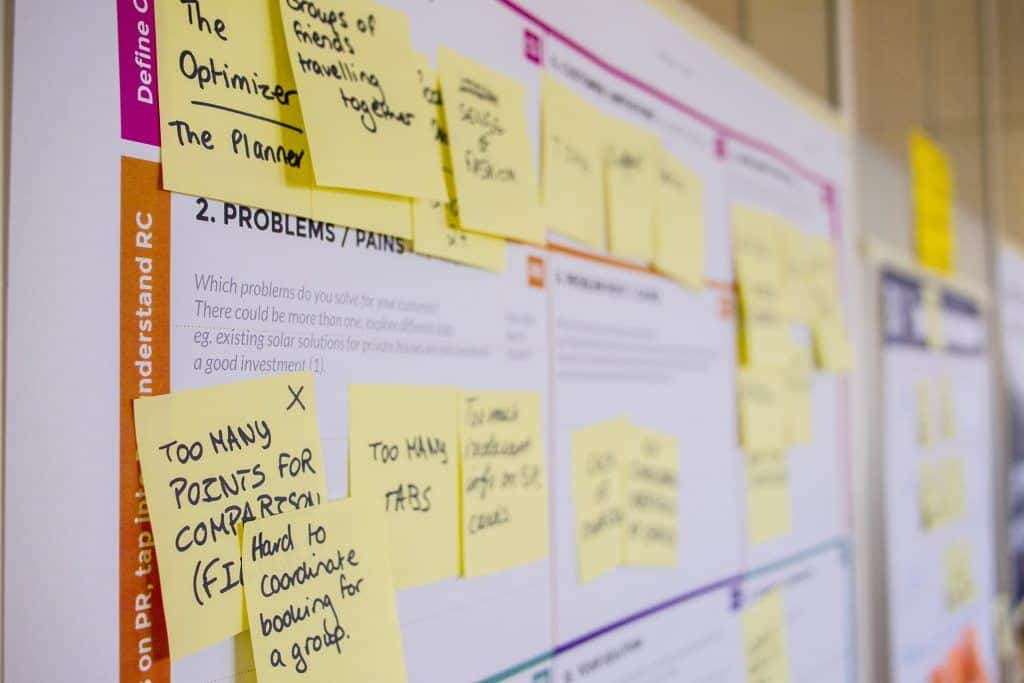
A UX Designer starts with research. They conduct user interviews, analyze website data and observe how people navigate through a site. From that research, they extract patterns: where do people click, where do they drop out, what information do they miss? Then they translate those insights into concrete designs. They sketch user flows, draw wireframes and build clickable prototypes. They test those prototypes with real users. They incorporate feedback into the next design. Only when the experience feels smooth and logical does the design go to the visual designer and developer. In SMEs, a UX Designer often works with a web developer to make the design technical.

Why UX Design is becoming increasingly important

The term User Experience was introduced in the early 1990s by Don Norman at Apple, but only in the last decade has it become a profession in its own right. This is due to the huge increase in digital touchpoints. Where a company used to have one website, now they also have a customer portal, an ecommerce store app and a configurator. Visitors expect all of these to work effortlessly. A bad experience means instant loss: research by the Nielsen Norman Group shows that 88% of online visitors do not return to a site after a bad experience. For SMBs, that means: investing in UX is investing in conversion and customer retention.

What a UX Designer brings to your business

Een goed ontworpen gebruikerservaring zorgt ervoor dat bezoekers sneller converteren, minder vragen stellen aan de klantenservice en vaker terugkomen. In de praktijk zien we bij Monkey Vision dat een webshop met een doordacht checkoutproces 20 tot 30% minder winkelwagenverlating heeft. Een B2B-site met heldere navigatie en duidelijke call-to-actions genereert meer leads zonder extra advertentiebudget. Een UX Designer helpt je prioriteren: welke verbeteringen leveren het meeste op voor jouw doelgroep? Dat maakt UX Design onderdeel van een bredere webdesign-aanpak waarin functie en vorm samenkomen. Voor bedrijven met complexe diensten of producten is een UX Designer vaak de schakel tussen wat je aanbiedt en wat de klant begrijpt.

Applications of a UX Designer

A UX Designer is employed on digital projects where usability makes the difference between success and failure. This could be a new ecommerce store, a customer portal, a quote configurator or a complex B2B site. Below are four situations where a UX Designer adds concrete value.

Ecommerce store optimization for higher conversion

An ecommerce store with hundreds of products needs a logical structure. A UX Designer analyzes how visitors search, filter and compare. She designs a navigation that matches the customer's thought process, not the company's internal product layout. She tests whether the search function works, whether filters are clear and whether the ordering process contains no unnecessary steps. In practice, we see that ecommerce stores generate an average of 15 to 25% more orders without additional traffic after a UX process. This is because visitors find what they are looking for faster and are less likely to drop out during the checkout process. For ecommerce stores, this is part of a broader ecommerce strategy.

Customer portal or dashboard for B2B service providers

B2B companies that give customers access to a portal often deal with complex information. Think of an accountant allowing customers to view their financial figures, or an HR agency with an employee portal. A UX Designer ensures that users can log in, find their data and perform actions without a manual. They design a dashboard that prioritizes the most frequently used features. They test whether buttons are clear and error messages are understandable. Our projects show that a well-designed portal reduces the number of support questions by 30 to 40%. This saves time and increases customer satisfaction.

Complex configurators or quotation tools

Companies that provide custom products often have an online configurator or quote tool. Think of a kitchen supplier, a printing company or a software supplier with modular packages. Such a tool should guide visitors step by step through choices without overwhelming them. A UX Designer designs the sequence of questions, the display of options and the feedback of costs. They test whether users understand what they are choosing and whether they have a complete picture at the end. A poorly designed configurator leads to incomplete quotes and extra phone calls. A good configurator increases conversion and lowers the barrier to request a quote. This type of work requires collaboration with a front-end developer for technical realization.

When a UX Designer is the right choice and when not

A UX Designer is valuable if your site or app is complex, if your conversion rate is lagging or if customers indicate they can't find something. A UX Designer is also the right investment for a redesign or new functionality. When not. If you have a simple one-pager with one clear call-to-action, a UX Designer adds little. Then a good visual designer will suffice. Also, if your budget is limited and your site has little traffic, it's better to invest in a well thought-out SEO strategy first to get more visitors. UX Design pays off only when there is enough data and users to extract patterns from.

Want to apply this to your business? Monkey Vision helps SME entrepreneurs with web design, SEO and smart digital solutions. Schedule a no-obligation meeting and find out what's possible for you.

Schedule an introduction

Frequently Asked Questions

No, a UX Designer and a web designer have different roles. A web designer focuses on visual appearance: colors, typography, images and branding. A UX Designer focuses on functionality and ease of use: how does someone navigate the site, where does someone click, what information is someone missing? In practice, they work closely together. The UX Designer provides wireframes and interaction patterns; the web designer turns them into a visual design. On smaller projects, one person can fulfill both roles, but complex sites or apps require specialization. At Monkey Vision , we combine both disciplines in our web design projects to optimize both function and form.

It depends on the complexity of your project and your own time. If you have a simple site with a few pages, you can make your own improvements with basic knowledge of UX principles. Think clear headings, logical navigation and recognizable buttons. If you have an ecommerce store with hundreds of products, a configurator or a customer portal, it pays to hire a UX Designer. They have the experience to recognize patterns and test what works. Learning by yourself takes time and you often lack objectivity: you know how your business works, but not how a new visitor thinks. A UX Designer brings that fresh perspective and testing methods that lead to measurable improvement.

Start by gathering insights about your current visitors. Analyze your website data: where do people drop out, which pages are visited a lot but do not lead to conversion? Ask customers or employees to use the site while you watch. Note where they hesitate or click on something that is not a link. Make a list of the three biggest frustrations. Then you can prioritize: which improvement will have the biggest impact? Consider a clearer call-to-action, a better search function or a shorter checkout. If you don't know where to start, schedule a free website scan at Monkey Vision. In 30 minutes, we'll walk through your site and give you three concrete UX improvements you can pick up right away.

The most common mistake is designing from your own perspective rather than that of the visitor. You know how your company works, but a new customer doesn't. Other mistakes: too many choices on one page, unclear headings, hidden navigation or a checkout with too many steps. Technical problems such as slow loading time or malfunctioning search functions also fall under poor UX. Furthermore, we often see companies not soliciting feedback from real users. They build something, launch it and hope it works. Testing with a small group of customers beforehand prevents a lot of frustration afterwards. A UX Designer helps you avoid those mistakes by systematically researching, designing and testing.

The best approach depends on your current situation and goals. Do you have an existing site that is not converting the way you want? Or are you building something new and want to do it right the first time? Schedule a free 30-minute UX scan at Monkey Vision. We'll walk through your site or plans live, spot bottlenecks and give you three concrete areas for improvement you can pick up this month. You will also get an honest estimate of what a full UX approach will deliver for your industry and target audience. No sales pitch, just practical advice from our experience with SMBs. Schedule a session via our web design page.

About the author

Monkey Vision

Monkey Vision is a full-service digital agency at Nijmegen, specializing in web design, SEO, and AI automation for small and medium-sized businesses. The knowledge base has been compiled by our team of online strategists and is continuously updated based on current insights.

Publication date: 26-04-2026
Last update: 26-04-2026