Touchpoints

Contact moments, Customer touchpoints, Touchpoints, Customer touchpoints, Brand touchpoints, Interaction points
Touchpoints are all the moments when a customer interacts with your brand, product or service. They define the customer experience and influence purchase decisions.

What are touchpoints?

Touchpoints are all the moments when a customer comes into contact with your brand, product, or service. This can be before, during, or after a purchase. Think of a visit to your website, a conversation with customer service, an ad on social media, or unboxing an order. Each touchpoint is a piece of the puzzle in the overall customer experience and influences how someone perceives your company. For small and medium-sized businesses, understanding these moments is crucial for consciously guiding the customer journey.

How touchpoints shape the customer experience

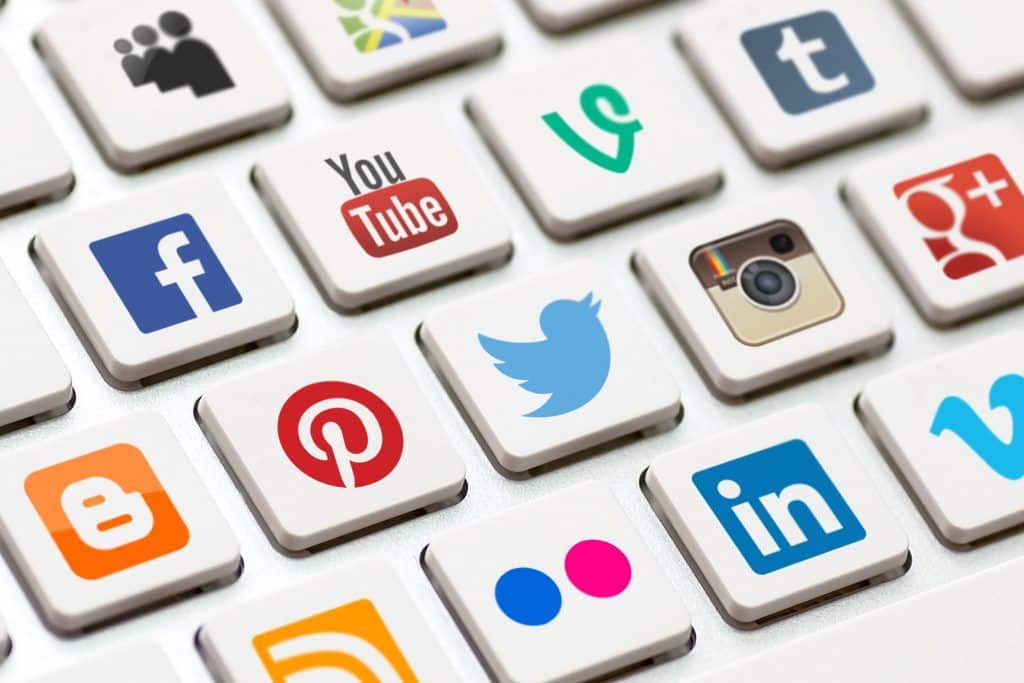
Touchpoints operate as a chain of impressions. A potential customer might first see a Google ad, then visit your website, then call your sales team, and finally receive a quote by email. Each of these moments is a touchpoint. The quality of each individual touchpoint stacks up. A fast, clear website does not automatically compensate for a slow email response. In practice, we often see with SME clients that companies invest a lot in one touchpoint such as a beautiful website, but that the telephone accessibility or the confirmation e-mail remains substandard. The weakest link often determines the final verdict. Touchpoints are not just digital. A physical store, a trade show, packaging materials or even an invoice are equally contact moments that leave an impression.

Why touchpoint management is more important now than ever

The concept of touchpoints has been around for decades, but gained new urgency with digitalization. Customers now have dozens of channels at their disposal and expect a consistent experience on every channel. A B2B buyer who googles your company, views your LinkedIn page, downloads a white paper and then calls, experiences four different touchpoints in one hour. If the tone of voice on LinkedIn is informal but your telephone operator answers formally, friction is created. Our trajectories show that SMEs often do not have a complete overview of all contact moments. They know that customers call and email, but forget, for example, the automatic confirmation email, the Google My Business reviews or the packing slip in the box. Those "forgotten" touchpoints often determine the difference between a satisfied customer and a disappointed one.

What touchpoint analysis brings to your business

By mapping your touchpoints, you discover where customers drop out or get excited. For example, an ecommerce store with 200 orders per month noticed that customers left the checkout en masse after seeing the shipping costs. That checkout screen was a critical touchpoint. By showing shipping costs earlier in the process, cart abandonment dropped 18 percent. Another example: a B2B service provider discovered that after an initial call, customers often had to wait weeks for a quote. That wait was a negative touchpoint. By cutting the lead time in half, conversion increased noticeably. A thoughtful brand strategy and visual identity helps make all touchpoints consistent and recognizable, from website to business card. Touchpoint management is not a one-time project but an ongoing process. New channels, new customer expectations and new competitors require regular evaluation.

Applications of touchpoints

Touchpoints are not a theoretical model but a practical tool to improve customer experience. By consciously designing and measuring contact moments, you steer for results. Below are four concrete applications that SME companies can deploy immediately.

Touchpoint mapping for the entire customer journey

A touchpoint map visualizes all the moments when a customer interacts with your company, from initial introduction to aftercare. You map out the customer journey in phases such as orientation, consideration, purchase and use. For each phase, you note which touchpoints there are: website, social media, email, phone call, invoice, packaging. Then you assess each touchpoint for quality and consistency. For example, a building materials wholesaler discovered that customers did not receive a tracking email after ordering, so they often called asking where their order was. By adding one additional touchpoint, an automated tracking email, the number of service calls dropped by 30 percent. Touchpoint mapping works best when you do it with your team. Different departments see different touchpoints. Sales sees the quote phase, logistics sees the delivery, finance sees the invoice.

Identify and optimize critical touchpoints

Not all touchpoints carry the same weight. Certain moments determine whether or not a customer proceeds to make a purchase. These are called critical touchpoints. For an ecommerce store, the product page is often critical: that’s where customers decide whether to add an item to their cart. For a consulting firm, the initial consultation is critical: that’s where trust is built. Through data analysis, you can see where customers drop off. Google Analytics, for example, shows on which page visitors leave the site. Heatmaps show where people click and scroll. A SaaS company found that 60 percent of visitors left the pricing page without taking any action. By adding testimonials and a cost calculator, the conversion rate increased by 22 percent. Focus first on the touchpoints with the greatest impact. A perfectly designed invoice is of little use if your quote process takes three weeks.

Omnichannel consistency across all touch points

Customers expect your brand to feel the same on every channel. If your website is modern and accessible but your emails are bland and formal, dissonance ensues. Omnichannel consistency means that tone of voice, visual style and service level match across all touchpoints. A clothing store with an ecommerce store and physical store made sure customers could return items purchased online in the store. That made the touchpoints seamless. Another example: a financial advisor used the same corporate identity colors, font and imagery on website, LinkedIn, presentations and quotation documents. Clients immediately recognized the brand, which reinforced trust. SEO and content marketing help make your online touchpoints findable and relevant. Be careful that automation does not come at the expense of personality. A chatbot is a touchpoint, but it should not feel like a robotic voice.

When touchpoint analysis is the right choice and when it is not

Touchpoint analysis works well when you have a complex buying process with multiple contact moments, for example in B2B services or with expensive products. Touchpoint mapping also helps if you notice customers dropping out but don't know where. Touchpoint analysis is less urgent if you sell a simple product with one or two contact moments, such as a coffee shop with only a counter and a payment app. Then it's more important to make those two moments perfect. Even if you don't collect data on customer behavior, touchpoint analysis remains superficial. You need insight into where customers come, what they do and where they stop. Without web analytics, CRM data or customer feedback, you guess mostly. Start small: choose one phase of the customer journey and optimize it thoroughly before tackling the entire journey.

Want to apply this to your business? Monkey Vision helps SME entrepreneurs with web design, SEO and smart digital solutions. Schedule a no-obligation meeting and find out what's possible for you.

Schedule an introduction

Frequently Asked Questions

No, a touchpoint is a specific moment of contact, a channel is the medium on which that happens. A channel such as email can contain multiple touchpoints: the newsletter, the order confirmation, the tracking email and the feedback request are four different touchpoints within the same channel. A website is a channel, but the homepage, product page, checkout and contact form are separate touchpoints. The distinction helps to optimize in a more targeted way. For example, you can see that e-mail as a channel performs well, but that one specific touchpoint within that channel, such as the reminder e-mail, performs poorly. Then you know exactly where to intervene.

Touchpoint mapping focuses on all contact moments, customer journey mapping on the customer's emotional experience and decision-making through time. If you want to know what moments exist and how consistent they are, choose touchpoint mapping. If you want to understand why customers make certain choices and what they feel, choose customer journey mapping. In practice, many companies combine both. You start with touchpoint mapping to map all the moments, and then deepen by phase with journey mapping to understand what drives customers. An ecommerce store with 500 products benefits from touchpoint mapping to find technical bottlenecks. A B2B service provider with long sales processes will benefit more from journey mapping to understand trust and timing.

Start by writing down all the moments when a customer interacts with your company, from initial Google search to post-delivery follow-up. Involve colleagues from different departments: sales, customer service, logistics and marketing each see different touchpoints. Group touchpoints by phase: awareness, consideration, purchase, use and loyalty. Assess each touchpoint for quality and consistency. Use data such as Google Analytics, CRM logs and customer feedback to see where people drop out or respond positively. Then pick the three touchpoints with the biggest impact or bottlenecks and address those first. A free SEO scan from Monkey Vision will help you review your online touchpoints and find areas for immediate improvement.

About the author

Monkey Vision

Monkey Vision is a full-service digital agency at Nijmegen, specializing in web design, SEO, and AI automation for small and medium-sized businesses. The knowledge base has been compiled by our team of online strategists and is continuously updated based on current insights.

Publication date: 26-04-2026
Last update: 26-04-2026