Brand Guidelines Manual

Brand Book, Corporate Identity Manual, Style Guide, Brand Guidelines, Corporate Identity Manual, Brand Manual
A brand style guide is a document that outlines all the visual and communication guidelines for your brand. It ensures a consistent brand image across all channels.

What is a brand style guide?

A brand style guide is a document in which you define all the visual and communicative conventions of your brand. It describes how to use your logo, colors, typography, visual style, and tone of voice. This ensures that everyone communicating on behalf of your company speaks the same language and conveys the same image. For an SME with multiple employees, external designers, or franchisees, this is essential to maintaining brand recognition.

How a brand style guide works in practice

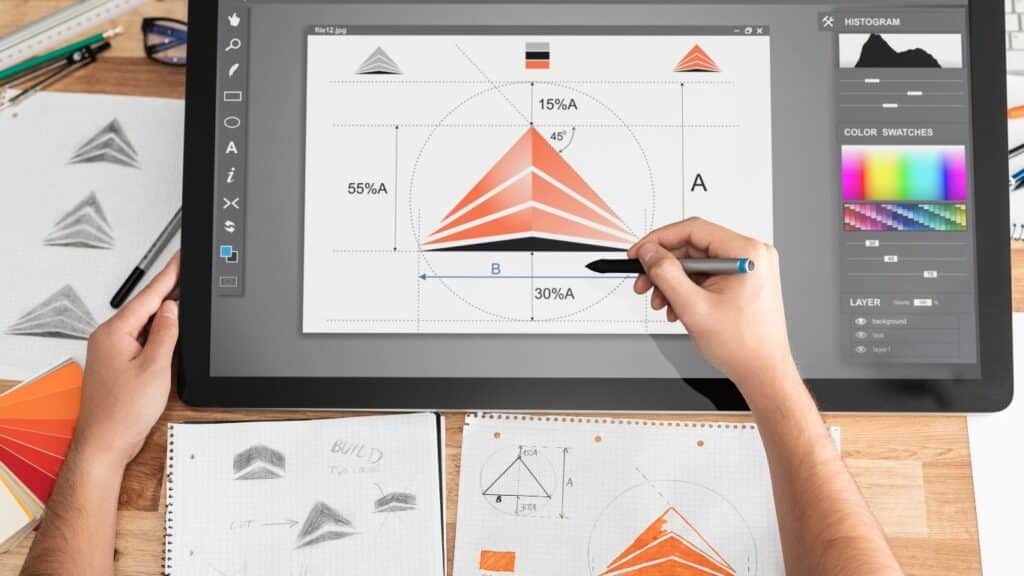
A brand style guide usually consists of several chapters. You start with the brand identity: who you are, what you stand for, and how you want to be perceived. This is followed by the visual building blocks, such as logo usage, color codes (RGB, CMYK, HEX), fonts, and spacing around the logo. Many manuals also include examples of business cards, letterhead, social media templates, and advertisements. This way, everyone can immediately see how the brand identity is applied in different situations. A good style guide explains what is and isn’t allowed. For example: never distort the logo, always maintain a minimum height of 10 millimeters on printed materials, and never use a font other than the prescribed ones. These clear rules prevent your brand from becoming diluted.

Why the brand guidelines were created and why they matter now

Brand style guides originated at large companies that needed to communicate across multiple departments, countries, or franchisees. Without centralized guidelines, dozens of variations of the same logo emerged, each with slightly different colors or fonts. This caused confusion among customers and a loss of brand value. In the digital age, this has become even more important. Your brand now appears on websites, social media, email signatures, webinars, advertisements, and apps. Each channel has its own technical requirements, but the brand’s visual identity must remain recognizable across the board. A brand style guide serves as a central resource where everyone—from your intern to your external web designer—can quickly look up what the brand is supposed to look like.

What a brand style guide offers small and medium-sized businesses

A brand style guide saves you time and prevents discussions. You don’t have to explain which colors you use or what your logo looks like every single time. New employees or external agencies can get to work independently. This lowers the barrier to creating professional materials and improves quality. Moreover, a consistent visual identity boosts your brand recognition. Customers recognize you more quickly in their inbox, on LinkedIn, or in an ad. This strengthens trust and brand value. At Monkey Vision , we’ve observed that companies with an up-to-date brand style guide adapt more quickly to campaigns and make fewer mistakes in their visual brand identity. The guide serves as an investment that pays off in efficiency and a professional image. A good guide also includes guidelines for tone of voice, ensuring that your written communication is just as consistent as your visual identity.


Applications of a brand style guide

A brand style guide isn’t a document you create once and then forget about. You actively use it in various situations. Below are the most important applications where a style guide truly makes a difference for an SME.

Onboarding of new employees and external partners

When you hire a new marketer, intern, or external designer, you want to quickly make it clear what your brand looks like. A brand style guide simplifies this process. You send the document, and the new employee immediately knows which fonts, colors, and logo variations are available. This prevents someone from choosing a different shade of blue on their own or placing the logo crookedly. This also works with external agencies: you give them access to the guide and, if necessary, a folder with logo files. This prevents endless rounds of feedback on details that were already finalized. In practice, we see that companies without a guide need, on average, three times as many rounds of corrections for new campaigns.

Consistent rollout of marketing campaigns

For a product launch, seasonal campaign, or online ad, you want to act quickly. You create visuals for social media, banners for your website, a landing page, and perhaps an email sequence. Without a brand style guide, you have to decide all over again each time which colors, fonts, and visual style to use. That takes time and leads to inconsistency. With a style guide, you can grab the pre-made templates, edit the text, and go live. Many style guides also include sample layouts for commonly used formats such as Instagram posts, LinkedIn banners, or Google Ads. This speeds up production and ensures that all communications are consistent. For an ecommerce store with regular promotions, this is a huge time-saver.

Safeguarding brand value during growth or franchising

As your company grows, opens multiple locations, or works with franchisees, brand control becomes more challenging. Each location wants to create its own materials but must remain recognizable as part of your brand. A brand style guide sets clear boundaries. Franchisees may use their own photos but must adhere to the established colors, fonts, and logo guidelines. This allows you to maintain consistency without having to centrally approve everything. At Monkey Vision , we help companies develop a brand strategy that scales. An up-to-date brand style guide makes the difference between a professionally growing company and a collection of disparate initiatives, each heading in its own direction.

When a brand style guide is the right choice—and when it isn’t

A brand style guide makes sense as soon as you’re working with multiple people who communicate on behalf of your brand. Think of a team of three or more employees, external designers, or when you regularly roll out campaigns. It’s also valuable if you want your brand to come across as professional and consistent in a competitive market. If you’re still a one-person business that creates everything yourself, a comprehensive manual is often overkill. In that case, a simple document with your logo, colors, and fonts will suffice. Likewise, if your brand is still in development and you change direction every six months, a comprehensive brand guidebook serves little purpose. In that case, wait until your brand identity is stable before setting everything in stone.

Want to apply this to your business? Monkey Vision helps SME entrepreneurs with web design, SEO and smart digital solutions. Schedule a no-obligation meeting and find out what's possible for you.

Schedule an introduction

Frequently Asked Questions

No, a logo package contains only your logo in various file formats such as PNG, SVG, and EPS. A brand style guide goes much further. It explains how to use the logo, which colors and fonts go with it, and how your brand comes across in text and imagery. It often includes examples of business cards, social media templates, and advertisements. So a logo package is part of your brand identity, but the manual is the comprehensive guide that ensures everyone applies your brand consistently. Many companies receive a logo package from their designer but lack the guidelines needed to use it consistently. This leads to inconsistencies in the brand’s visual identity.

You can create it yourself if you have a basic knowledge of graphic design and your brand is visually simple. You can use tools like Canva or Figma to put together a simple style guide. This works well for startups on a limited budget. Hiring a specialist is worth it as soon as your brand needs to come across as professional, you’re working across multiple channels, or you have growth plans. An agency brings experience in brand identity, knows which technical specifications are required, and helps you think through scalability. At Monkey Vision , we often combine brand identity development with web design, so your brand is rolled out consistently right from the start. The investment pays off in terms of time savings, consistency, and a professional image.

The biggest pitfall is creating a handbook and then not using it. Many companies have a nice document designed but don’t actively share it with employees or external partners. As a result, everyone continues to work based on their own intuition. A second pitfall is having too many rules without explanation. If your handbook contains only technical codes without examples, people won’t understand why something is important. This leads to the guidelines being ignored. A third risk is an outdated handbook. If your brand evolves but you don’t update the handbook, confusion arises. Therefore, make sure to review the handbook annually and update it as needed. Finally: make it accessible. An 80-page PDF that no one reads isn’t helpful. Consider a short version or an online tool.

The best first step depends on where you are right now. Do you already have a logo and colors, but lack structure in how you apply them? Then it’s worth having a brand style guide developed. At Monkey Vision , we start with a brand workshop to refine your identity. We then translate that into visual guidelines, templates, and a practical manual. You’ll receive not only a document but also guidance on rolling it out to your team. Schedule a free 30-minute brand scan where we’ll review your current brand image. You’ll immediately receive three concrete areas for improvement, plus an honest assessment of what a professional brand guide can do for your business. Learn more about our approach at “Brand Identity Design.”

About the author

Monkey Vision

Monkey Vision is a full-service digital agency at Nijmegen, specializing in web design, SEO, and AI automation for small and medium-sized businesses. The knowledge base has been compiled by our team of online strategists and is continuously updated based on current insights.

Publication date: June 12, 2026
Last updated: June 12, 2026