Logo Design

Logo design, Logo designs, Logo style, Brand logo, Corporate logo, Logo design, Logo creation
Logo design is the process of designing a unique visual mark that makes your company instantly recognizable. It forms the core of your visual identity.

What is Logo Design?

Logo design is the strategic design process in which you create a unique visual sign that represents your company, product or service. A logo combines shape, color, typography and sometimes symbols into one compact mark that makes your organization instantly recognizable to customers, suppliers and other stakeholders. The goal is a distinctive visual anchor that sticks and inspires trust, regardless of the contact moment.

How does logo design work in practice

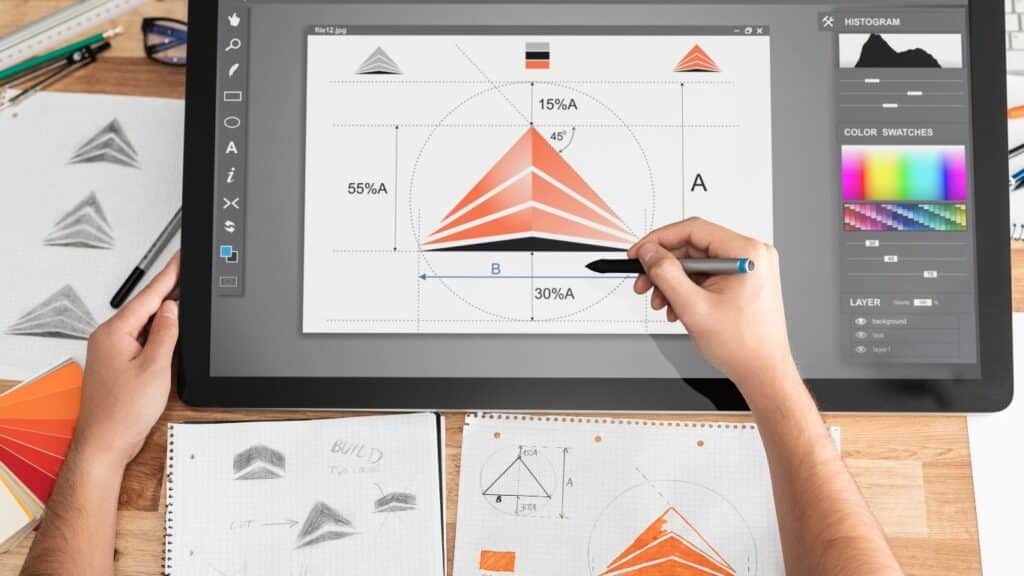
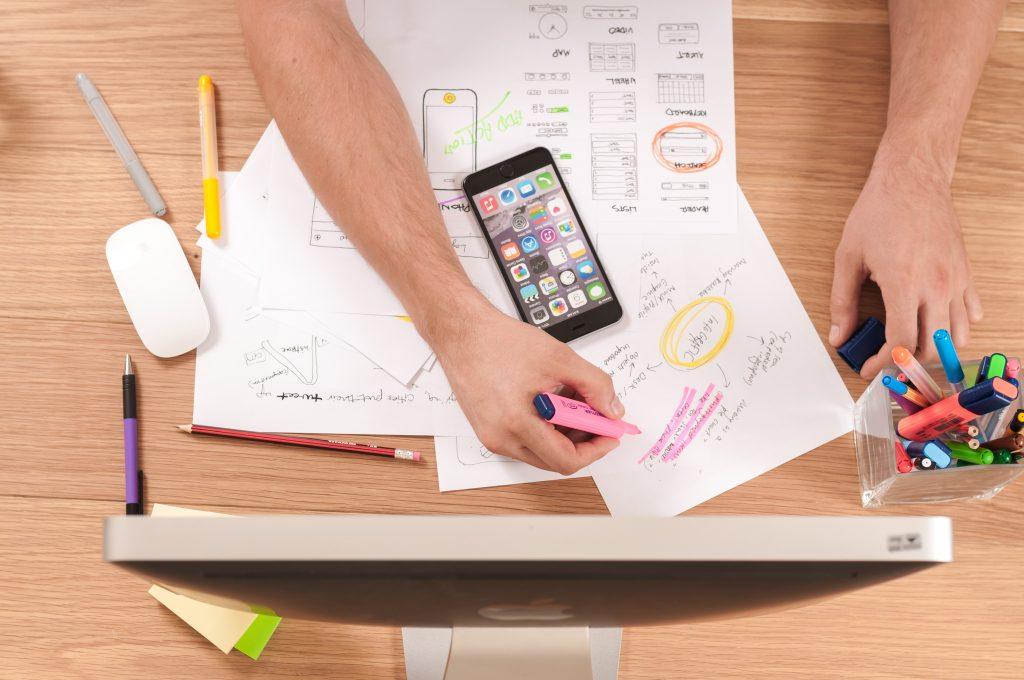
Logo design starts with brand research: who are you, what do you do and for whom. Based on that, you make choices about style, color and shape. A logo designer translates that strategy into sketches, explores multiple directions and works the best ones into a scalable vector file. You deliver that file in a variety of formats: for web, print, social media and applications. A good logo works as well on a 5-by-9-inch business card as it does on a 4-by-3-foot billboard. The design takes into account legibility, contrast and technical reproducibility. In practice, we often see with SME clients that a logo only proves its value after consistent use for at least six months.

Why logo design is never an isolated assignment

Logo design emerged as a field when companies started branding their products in the nineteenth century to combat counterfeiting and build recognition. Whereas a logo used to be primarily a stamp or signature, it is now the starting point of a complete visual identity. A logo never stands alone: it defines the colors, fonts and design language you use in all your communications. Without that coherence, a logo loses its power. That's why we always link logo design to a broader brand identity in which you also establish tone of voice, visual style and application rules.

What logo design brings to your business

A strongly designed logo increases your company's recognition and lowers the threshold for first contact. Customers remember a consistent visual image faster than a company name alone. In quotation processes, a professional logo makes the difference between 'serious party' and 'one-man business without investment'. At Monkey Vision , we see that after a rebrand with a new logo, companies on average get more inbound through word of mouth because the brand sticks better. A good logo also makes it easier to carry your brand identity through to website, packaging, signing and workwear. It's an investment that pays off for years, as long as you apply it consistently and don't change it every year.
Applications of Logo Design

Logo design comes into play in many more situations than just your business card or website. The logo is the visual starting point for every contact moment with customers, partners and employees. Below you can see where you put a well-designed logo to practical use and what it delivers for each application.

Website and digital channels

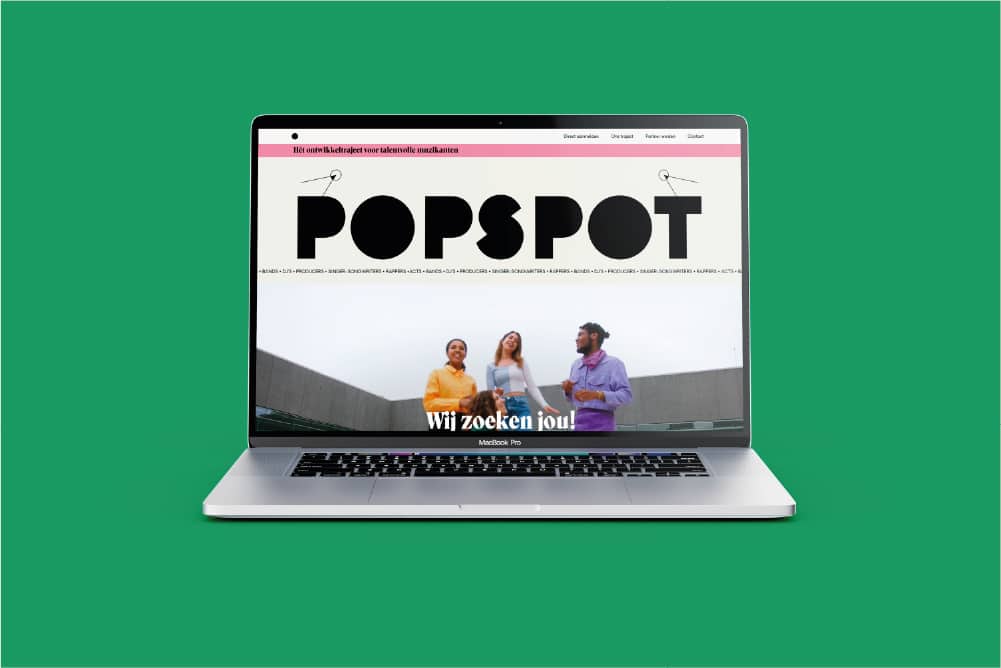
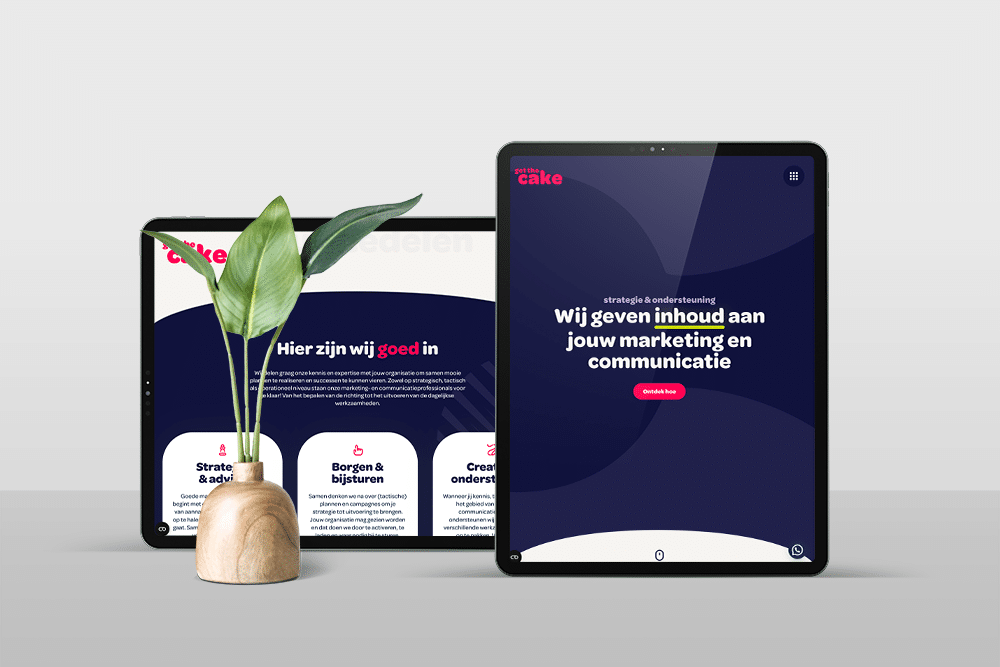
Your logo is prominent in your website header, browser tab favicon, email signature and on all your social media profiles. On mobile, the logo must remain legible at a width of 120 pixels. A good logo design takes this into account by leaving out details that would be lost when resized. In practice, we often see that companies need a horizontal and a square: the first for desktop headers, the second for profile photos on LinkedIn, Instagram and Google My Company. If your logo is too detailed, it becomes an unreadable smudge on a smartphone. That's why at Monkey Vision we always test at screen size 375 pixels wide, the most common mobile resolution in the United States according to CBS data on Internet usage.

Offline printing and signing

A logo appears on stationery, invoices, brochures, packaging, workwear and signing on your premises or company car. For printing, you need a vector file, usually in EPS or PDF format, so a printer can scale the logo without losing quality. When signing on a faΓ§ade or advertisement, your logo must also be recognizable from 10 meters away. This requires clear contrasts and no lines that are too thin. An ecommerce store with physical outlets often has a simplified logo variation for small labels. A B2B service provider uses the logo on quotation templates and presentations. In both cases, the logo must appear professional in black and white, because not every printer or copier prints in color.

Brand communication and campaigns

Your logo appears in ads, newsletters, social media campaigns, and video intros. In advertisements, the logo serves as the sender: it makes it clear who the message is coming from. In video content, you often use an animated versionβ€”a so-called β€œmotion” versionβ€”that reinforces the brand’s personality. For campaigns, a strong logo adapts without losing its recognizability: think of a temporary color scheme for a promotion or a festive border for an anniversary. You plan for this flexibility during the design process by using a modular structure: keeping the graphic and word elements separate so you can use them individually or together. This prevents you from needing a new logo every season.

When logo design is the right choice and when it is not

Logo design makes sense if you are starting a new business, if your current logo no longer fits your ambitions or if your target audience has changed. It is also the right step in case of a merger or name change. Logo design is less urgent if your brand is already strongly established and the current logo is working well. Don't replace a working logo just to appear "fresh": customers recognize you precisely because of continuity. Whether or not to redesign depends on measurable signals: are you getting questions about what your company does, are customers dropping out in the first contact, or does your current logo no longer technically fit because it exists only as a low-resolution JPG? Then it's time for new logo and corporate identity design.

Want to apply this to your business? Monkey Vision helps SME entrepreneurs with web design, SEO and smart digital solutions. Schedule a no-obligation meeting and find out what's possible for you.

Schedule an introduction

Frequently Asked Questions

No, logo design is a part of branding, but not the same thing. Branding includes your entire brand strategy: positioning, tone of voice, brand promise and visual identity. The logo is the most visible element of that identity, but without a strategy behind it, it remains a picture without meaning. A strong brand has a clear reason for existence, a recognizable personality and a consistent appearance across all channels. The logo visualizes that brand core, but does not create it. In practice, we often see companies having a logo designed first, only to discover that they don't have a clear brand strategy. This leads to inconsistent communication and a logo that does not align with what the company actually does or strives for.

It depends on your ambition, budget and expertise. Creating a logo yourself via an online tool can work for a sole proprietor with no growth prospects, but rarely produces a unique and technically solid result. Most templates are recognizable as templates and offer little room for customization. A professionally designed logo costs between 1,500 and 5,000 euros, depending on complexity and number of variants. For that you get a custom design, scalable vector files and often a corporate identity manual. This pays off if you are serious about growing, working with partners or attracting investors. At Monkey Vision , we advise: if your logo will last longer than five years and appear on thousands of touch points, professional design is a smart investment.

The biggest mistake is designing a logo without a brand strategy. That leads to an arbitrary shape that doesn't match your target audience or proposition. A second common mistake is too much detail: logos with gradients, shadows or thin lines don't work on small format. A third mistake is not providing a vector file, which makes your logo pixelated when enlarged. Furthermore, we often see companies adjusting their logo too quickly because they are out of date themselves, while customers appreciate continuity. A logo takes an average of two years to really land with your target audience. Finally, a logo that only works in color will fail in black and white situations such as newspaper ads or stamps. Therefore, always test on multiple backgrounds and formats before making it final.

The best approach depends on your current situation and stage of growth. Do you have a working company but an outdated or inconsistent logo? Or are you just starting out and want a professional look right away? At Monkey Vision we always start with a brand conversation: what is your core story, who do you want to reach and what makes you different. Based on that we design a logo that fits your strategy and is technically solid for all channels. In a free 30-minute intake meeting, we take a look at your current image, discuss your ambitions and give an honest assessment of what is needed. You get immediate insight into your approach, lead time and investment. No sales talk, but clear follow-up steps.

About the author

Monkey Vision

Monkey Vision is a full-service digital agency at Nijmegen, specializing in web design, SEO, and AI automation for small and medium-sized businesses. The knowledge base has been compiled by our team of online strategists and is continuously updated based on current insights.

Publication date: 26-04-2026
Last update: 26-04-2026