Slogan

Payoff, Tagline, Claim, Baseline, Slogan
A slogan is a short, catchy phrase that summarizes the brand promise or positioning. You use it to reinforce recognition and familiarity.

What is a slogan?

A tagline is a short, powerful phrase that summarizes a brand 's core promise or positioning. It differs from a tagline in that a slogan is often campaign-specific, whereas a tagline stays connected to the brand for the long term. A good tagline is easy to remember, evokes a feeling or association and reinforces what the brand wants to mean to the customer. In practice, you see SMEs use a tagline to make their distinctive value clear in one sentence, for example on the homepage, in advertisements or on packaging.

How a slogan works in practice

A slogan works through repetition and recognition. The phrase is linked to all manifestations of the brand: website, social media, offline materials and campaigns. Consistent application creates a mental link between the slogan and the brand. This reinforces brand recall. A slogan can be functional and name the service, emotional and evoke a feeling, or conceptual and convey a vision. The choice depends on the brand strategy and the target audience. A B2B service provider often chooses clarity, a consumer brand chooses emotion. The slogan should fit the company's brand identity and tone of voice.

Why slogans came into being and why they are still relevant today

Slogans emerged in the advertising world as a means of conveying the essence of a brand in a short radio message or print ad. In an age of information overload, a slogan is valuable precisely because people have little time and scan quickly. A strong slogan ensures that the message sticks, even after a short exposure. In the Dutch SME context, we see that companies with a clear slogan build trust faster because the customer immediately understands what the company stands for. This applies both online and offline.

What a slogan delivers for SMEs

A thoughtful slogan makes it easier to convey your positioning without needing a whole explanation every time. It strengthens the recognizability of your brand in a crowded market. At Monkey Vision , we see that clients who link a clear slogan to their visual identity experience more consistency in their communications. This leads to higher brand awareness and a stronger sense of professionalism. A slogan can also help internally: employees understand more quickly what the brand conveys and can more easily translate that into customer contact. A good slogan is an investment in brand strategy that pays off in the long term.

Applications of a slogan

A slogan is not just for big brands with advertising campaigns. SMEs also use a slogan to make their brand promise concrete and recognizable. The application varies by type of company, target audience and communication strategy. Below you can read where a slogan has the most impact in practice and how to use it intelligently.

Slogan on homepage and in first contact moments

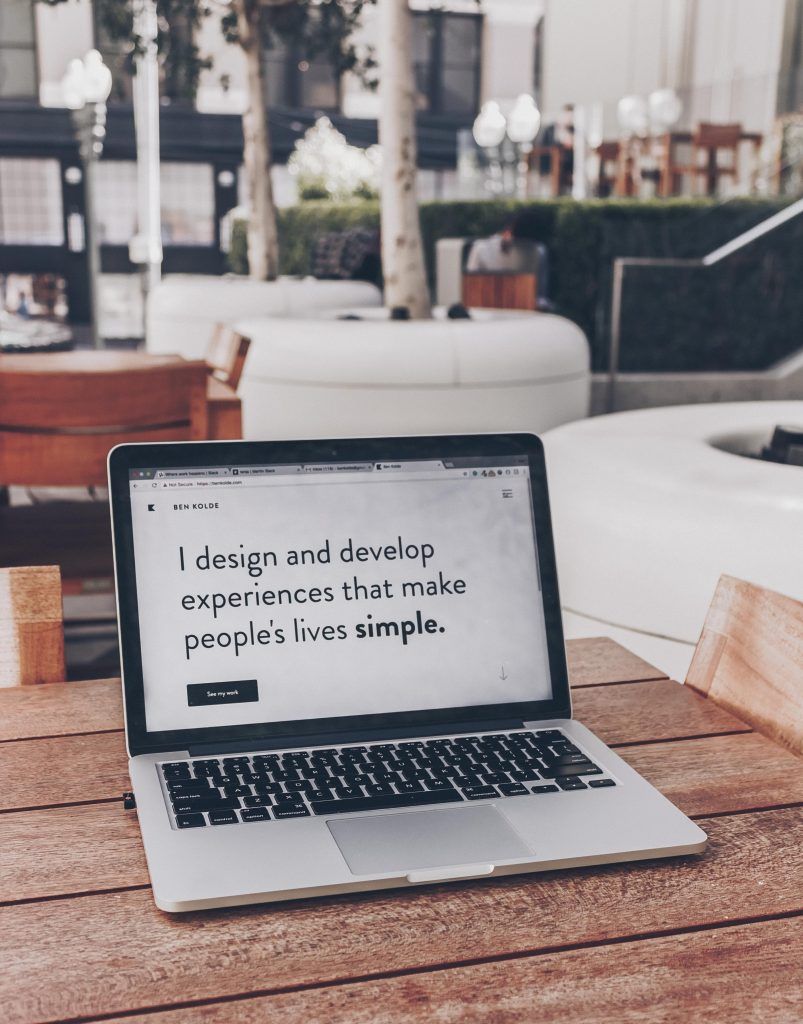
The homepage is often the first digital contact moment with a potential customer. A slogan directly under the company name or in the hero section provides immediate clarity about what you do or why you are different. For example, a sustainable fashion ecommerce store uses a slogan like "Style without regret" to immediately convey its core value. A B2B software company chooses "Automation that works" to be functional. Combined with a strong website, the slogan creates a quick, clear impression. Visitors know within three seconds where they are and whether the brand suits them.

Slogan in ads and social media campaigns

With online ads, you have limited space and time to attract attention. A tagline makes the difference between scrolling and clicking. For example, a healthcare provider uses "Feel at home, stay at home" in Facebook ads aimed at family caregivers. The slogan reinforces the emotional charge and makes the message personal. In Google Ads, a slogan as part of the ad text or extension can increase the click rate. It also works well in Instagram Stories or LinkedIn posts, where visual impact and short text come together. The slogan acts as a common thread throughout all campaign communications, increasing consistency and recognition.

Slogan on offline material and packaging

A slogan is not only valuable digitally. On business cards, packaging, leaflets and trade show booths, a slogan reinforces the brand experience. An artisan bakery uses "Real bread, real craft" on packaging and on the storefront. This creates a consistent experience from online to offline. A consulting firm puts the slogan on all presentations and quotations, so the customer is reminded of the core value in every contact moment. In practice, we see that companies with a clear slogan make a professional impression faster because all expressions speak the same language. This reinforces trust and makes the brand easier to remember.

When a slogan is the right choice and when it is not

A slogan works well if you have a clear positioning and want to reinforce it. It is less suitable if your brand is still searching or if your services are too diverse to summarize in one sentence. A holding company with five different labels often does not need an umbrella slogan, but each brand does. A startup still experimenting with product-market fit is better off waiting with a slogan until the core promise is clear. Don't force a slogan if it doesn't flow naturally from your brand identity. A weak or generic slogan harms more than it helps because it comes across as unprofessional and fails to differentiate.

Want to apply this to your business? Monkey Vision helps SME entrepreneurs with web design, SEO and smart digital solutions. Schedule a no-obligation meeting and find out what's possible for you.

Schedule an introduction

Frequently Asked Questions

No, although the terms are often used interchangeably. A tagline is usually campaign-specific and can vary by product or campaign. A tagline is a set phrase that stays connected to the brand for a long time, such as "Just Do It" by Nike. In practice, you see large brands use both a tagline and varying slogans. For SMEs, the difference is less sharp: often you choose one fixed phrase that functions as both a tagline and slogan. The important thing is that the phrase is used consistently and fits your brand strategy. Make the choice based on what is most practical and recognizable for your company.

It depends on your sense of language and brand knowledge. If you have a clear positioning and can articulate well what makes you unique, you can come up with your own slogan. Do test it with employees and customers before you make it final. If you find that you get stuck in generalities or do not find the right tone, it is wise to call in a brand specialist. They will look at your brand with fresh eyes and can come up with variations that you don't see yourself. A professionally developed slogan costs time and money, but often produces stronger and more lasting results. Especially if the slogan is central to your communication, that investment pays off.

The biggest mistake is choosing a generic phrase that could apply to any company, such as "Quality and Service." That doesn't differentiate and doesn't stick. Another pitfall is getting too creative without clarity: a pun that no one understands is counterproductive. Overly long sentences are also problematic because they are difficult to remember. A good slogan is short, concrete and unique. Test it by asking: could this sentence also be with my competitor? If so, it is too weak. Also pay attention to tone of voice: a playful slogan does not suit a serious consulting firm. Stay close to your brand identity and test the slogan with your target audience before making it final.

The best approach depends on where you are now with your brand strategy. Do you already have a clear positioning but lack the right articulation? Or are you looking for a total picture of brand identity, visual design and message? At Monkey Vision , we help SMEs develop a slogan that fits the brand strategy and is consistently applied in all communications. In a half-day brand session, together we explore your core values, target audience and competitive position. You get three to five slogan variants, a rationale for each option and advice on application. No woolly brainstorming, but concrete choices that you can use immediately.

About the author

Monkey Vision

Monkey Vision is a full-service digital agency at Nijmegen, specializing in web design, SEO, and AI automation for small and medium-sized businesses. The knowledge base has been compiled by our team of online strategists and is continuously updated based on current insights.

Publication date: 26-04-2026
Last update: 27-04-2026