Graphic design is the field in which you combine visual elements such as color, typography, form and image to convey a message. It involves the intentional design of communications such as logos, brochures, websites, packaging and advertisements. A graphic designer translates abstract ideas and brand values into concrete, recognizable images that engage and activate your target audience.
How graphic design works in practice
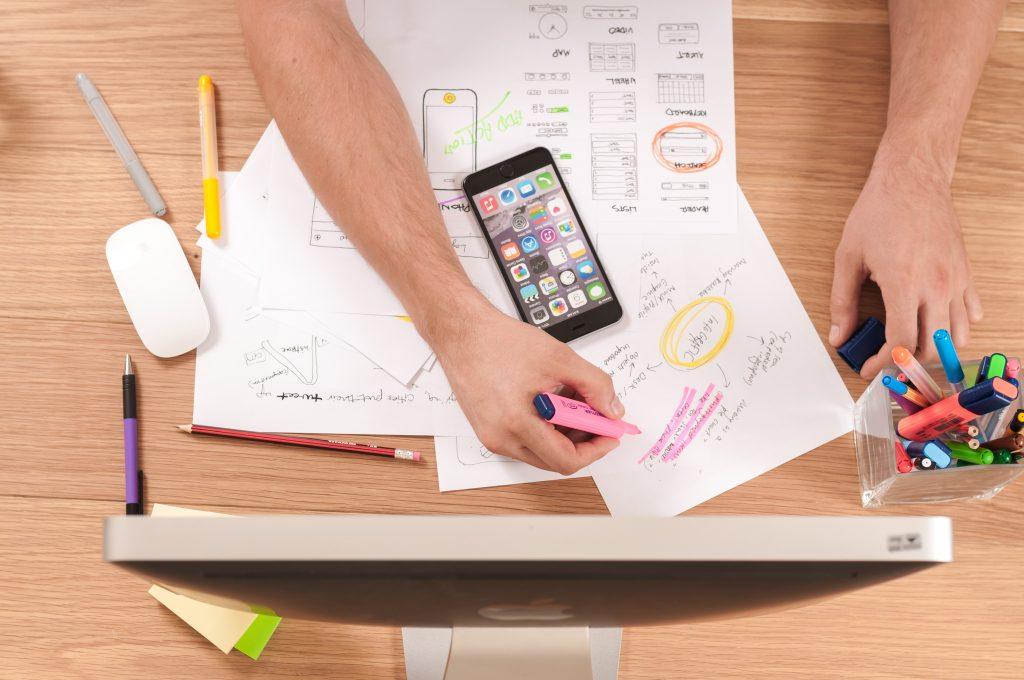
Graphic design begins with a briefing in which you define the objective, target audience and message. The designer analyzes this information and translates it into visual concepts. This is done by consciously choosing fonts that evoke a certain mood, colors that drive emotions and a composition that directs the gaze. Effective design ensures that the viewer understands the core message within three seconds. Think of a menu where dishes are grouped logically, a poster that makes the most important information stand out immediately or a website where you can find the right button without thinking. The design process usually goes through several sketch phases, feedback rounds and refinements before the final result is ready for production or publication.
Why graphic design came into being and still matters today
Graphic design as a profession emerged with the rise of the printing press and commercial advertising. Where craftsmen first worked primarily decoratively, the focus shifted to functional communication when brands needed to stand out in a crowded marketplace. Today, that need is only greater. You're competing with thousands of others not just locally but online. Thoughtful design helps you stand out, build trust and get your message across in seconds. W3C research shows that accessible and clear design is also essential for users with disabilities, increasing your reach and impact.
What graphic design brings to SMEs
For an SME, graphic design is the difference between "being there" and "being seen. A strong visual design increases the recognition of your brand, makes your communication more professional and lowers the threshold for customers to contact you. Think of a B2B service provider that uses a clear infographic to explain a complex process, or an ecommerce store that uses clever conversion design to drive more visitors to the checkout. Graphic design also plays a crucial role in developing a consistent brand identity, so that all communications from business card to website convey the same brand experience. This reinforces trust and makes your company easier to remember in a crowded marketplace.