Channel strategy is the plan in which you determine through which communication and sales channels you reach, persuade and serve your target audience. It involves the conscious choice between channels such as your website, social media, email, physical locations, partners or marketplaces. A strong channel strategy links each channel to a specific stage in the customer journey and ensures that channels reinforce rather than counteract each other. For SMBs, this is essential because resources are limited and you can't be equally strong everywhere.
How channel strategy works in practice
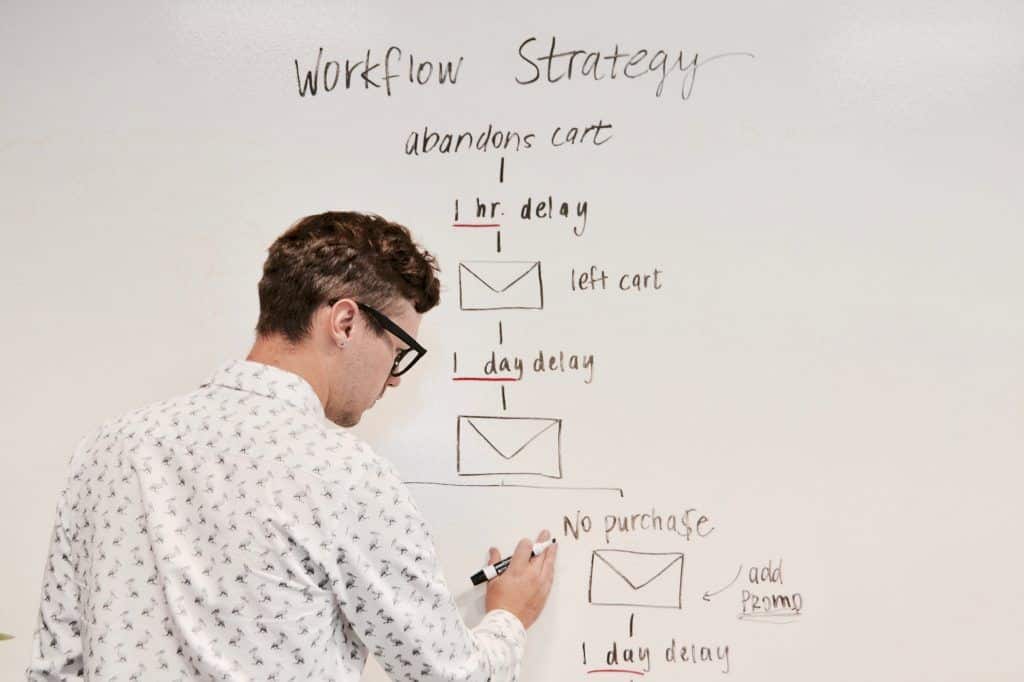
A channel strategy starts with understanding where your target audience is searching, comparing and buying. A B2B software company might reach prospects through LinkedIn and Google, but close deals in in-person demos. An ecommerce store combines organic search traffic, Google Shopping and retargeting through Meta. You choose a role for each channel: awareness, consideration or conversion. Then you determine the relationship between owned (your own website), earned (word of mouth, PR) and paid (ads) channels. The strategy also describes how data is shared between channels, for example through a CRM or marketing automation platform. Without clear division of roles, overlap occurs, unclear budget allocation and loss of conversions due to lack of alignment.
Why channel strategy matters more now than it did a decade ago
In the past, a website and an ad in the local newspaper often sufficed. Now your target audience expects consistency across ten different touchpoints. At the same time, cookie restrictions, iOS privacy updates and advertising costs have risen, making paid channels more expensive and less predictable. SMBs leaning solely on Meta ads or Google Ads are finding that their cost per acquisition is rising rapidly. A balanced channel strategy spreads risk and builds proprietary assets such as email lists, organic reach and customer relationships that do not rely on external platforms. Moreover, each generation requires a different channel mix: Gen Z searches on TikTok, while 50-plus decision makers often come via Google and LinkedIn.
What channel strategy brings to SMBs
With thoughtful channel strategy, you know where your marketing budget is working hardest and where you are wasting time. You can shift resources from high-cost, low-conversion channels to those that do pay off. In addition, you prevent potential customers from losing you because they see you on one channel but can't find you anywhere else. An ecommerce store that invests in search engine optimization and email marketing builds a buffer against rising advertising costs. A local service provider that combines Google My Business, a strong website and targeted LinkedIn content creates multiple entry points for new customers. Monkey Vision helps SMBs anchor their channel strategy in a strong brand identity and a website that supports all channels, so that each investment contributes measurably to growth.