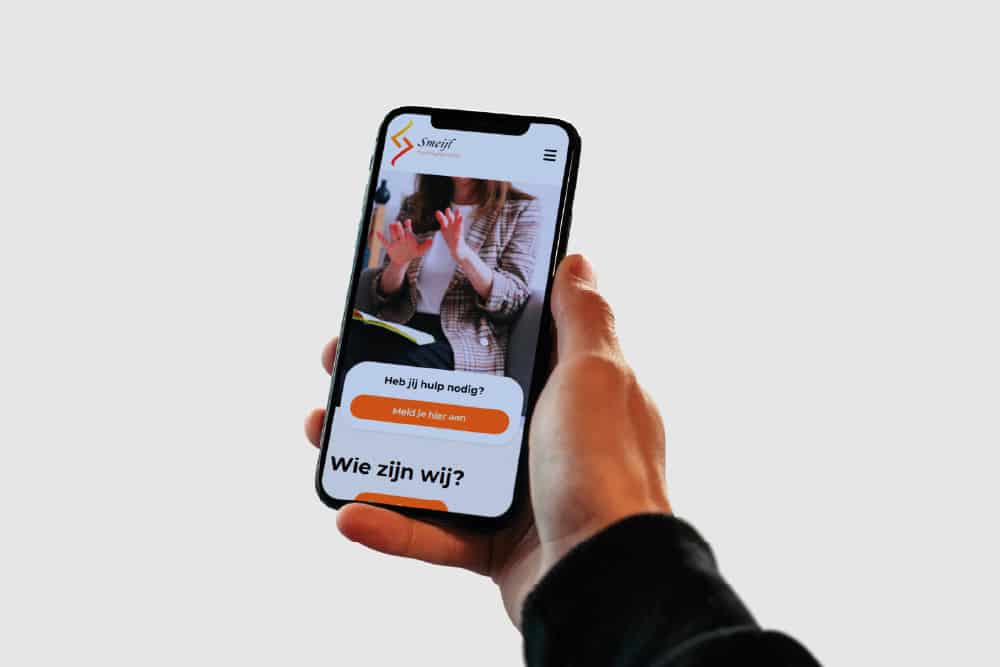
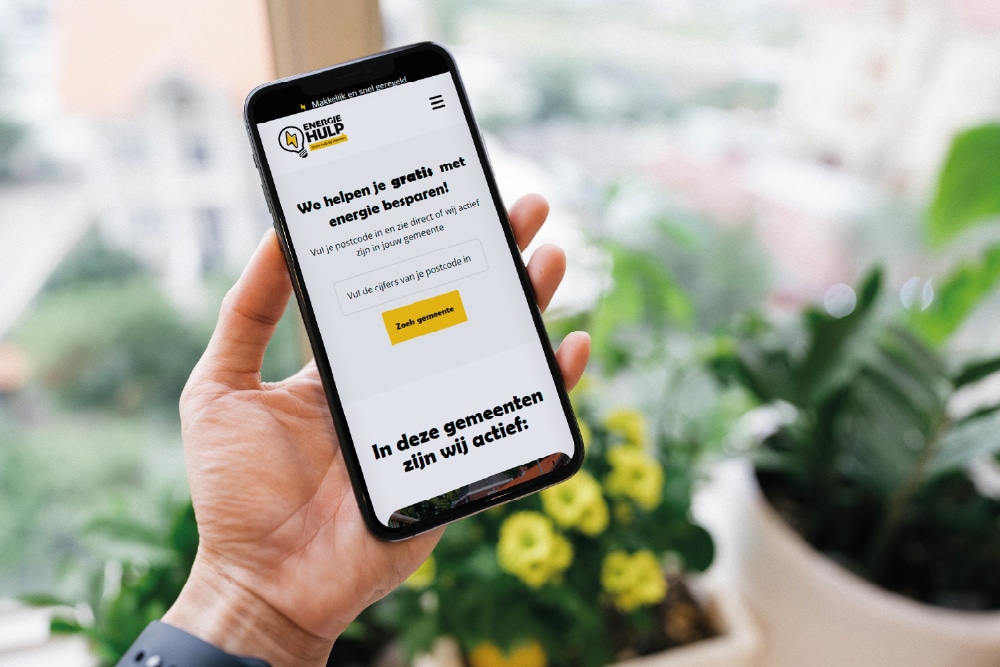
Brand perception is the overall picture that customers, prospects and other stakeholders have of your company. It is created through all contact moments: from your visual identity and website to customer service and word of mouth. Brand perception is not what you claim to be, but what others think of you. For SMBs, this perception determines whether someone calls, buys or clicks through to a competitor.
How brand perception arises and develops
Brand perception occurs gradually, through repeated exposure and experience. Someone sees your logo on a company car, visits your website, reads a review and hears an acquaintance talking about you. All those signals accumulate into a judgment: reliable or cluttered, modern or old-fashioned, personal or distant. At an ecommerce store with 500 products, a slow checkout or unclear shipping info can make the difference between "professional" and "amateurish. For a B2B service provider with 12 employees, the speed of a quote or the tone in an e-mail counts more than an expensive campaign. Brand perception is cumulative and arises more often from small frictions than from big blunders.
Why brand perception weighs more heavily now than in the past
Advertising used to be the main influencer of brand perception. Now someone forms a judgment through Google reviews, LinkedIn posts from employees, comparison sites and the loading speed of your website. Information is transparent and always available. A prospect checks you out on three screens within 30 seconds. That makes brand perception more vulnerable, but also quicker to manage. Companies that consciously work on consistency across all channels build a stronger image. Those that don't, leave perception to chance or to competitors who do actively drive it.
What brand perception delivers for SMEs
A clear, positive brand perception increases conversion on your website, lowers the threshold for first contact and makes price negotiations easier. Customers who see you as knowledgeable and reliable are less likely to ask for discounts and stay customers longer. In practice, we see with SME clients that a consistent visual identity and brand strategy measurably improves perception within six months. That starts with a well thought-out brand identity that connects with your target audience and translates to every expression: from website and email signature to packaging and quote template. Brand perception is not a soft concept, but a measurable driver of sales and customer loyalty.