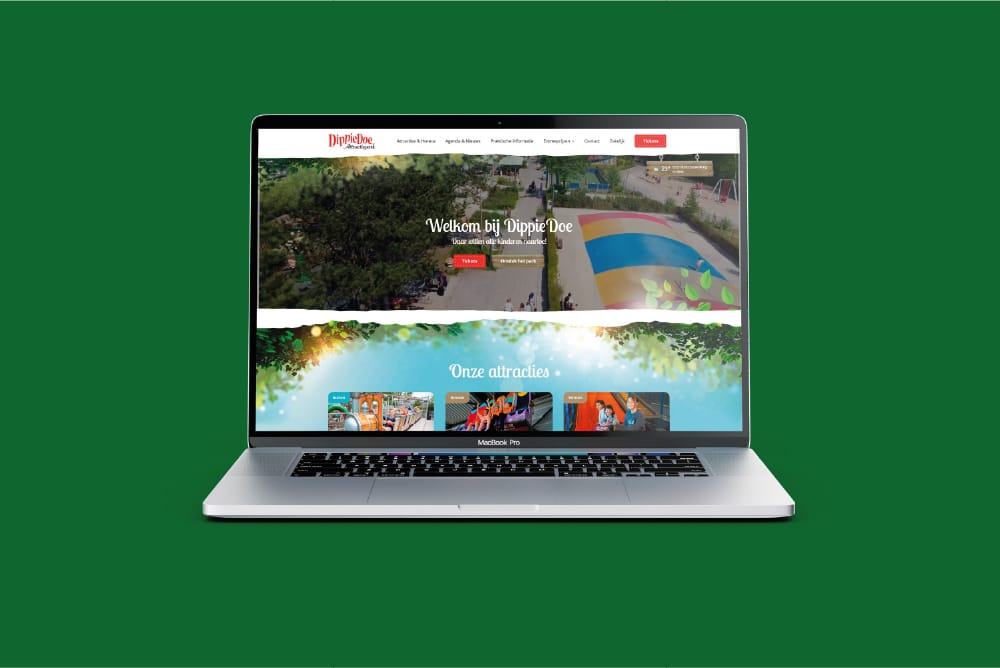
An endorsed brand is a sub-brand that operates under the umbrella of a stronger parent brand and is actively supported by it. The sub-brand has its own name and identity, but visibly carries the name or logo of the parent brand. Think Courtyard by Marriott or KitKat by Nestlé. This construction helps new products or services build credibility faster by borrowing the confidence of the parent brand. For SMEs looking to enter a new segment without diluting their existing brand, this strategy provides a practical balance between autonomy and credibility.
How an endorsed brand works in practice
With an endorsed brand, the sub-brand remains recognizable as a separate entity with its own positioning, but the parent brand serves as a seal of quality. The endorsement typically appears in the visual hierarchy: the sub-brand is featured first, followed by the parent brand with “by,” “from,” or a similar construction. This gives the sub-brand the freedom to appeal to its own target audience without being completely separate from the parent organization. In practice, this is often seen with companies launching a premium or, conversely, a budget line. The parent brand guarantees reliability, while the sub-brand can position itself based on specific values or applications. For an ecommerce store with multiple product lines, this could mean launching a new brand for a specific niche while still leveraging your existing reputation as a foundation.
Why endorsed brands came into being and what they deliver today
Endorsed branding emerged as an answer to the problem of brand expansion without dilution. Companies wanted to enter new markets or appeal to target groups that did not fit their main brand, but also did not want to run the risk of a completely unknown brand. The endorsed strategy combines the best of both worlds: the sub-brand can experiment with tone of voice, design and positioning, while the parent brand acts as a safety net. In the Dutch SME context, you see this, for example, with regional family businesses that are launching a modern line for a younger audience, but still want to pass along the reliability of their existing name. It prevents you from alienating existing customers while still appealing to new groups.
What an endorsed brand brings to SMEs
For an SME looking to enter a new segment, an endorsed brand offers a faster market introduction than a completely new brand. You don't have to build trust from scratch. At the same time, you retain the flexibility to position the sub-brand differently from your main brand. This is especially valuable if, for example, you have a B2B brand and want to launch a B2C line, or vice versa. A well thought out brand strategy and visual identity ensures that both brands remain recognizable without getting in each other's way. At Monkey Vision , we see that SMBs often struggle with whether to launch a new brand or expand their existing brand. An endorsed construction can resolve that tension by combining both benefits. It does require that you clearly define what the parent brand guarantees and what the sub-brand stands for.