Digital Marketing

Online marketing, Internet marketing, Digital marketing, Web marketing, E-marketing
Digital marketing includes all online activities to reach customers through websites, search engines, social media and email. Effective for measurable lead generation and brand awareness.

What is digital marketing?

Digital marketing is the use of online channels and platforms to reach, persuade and convert your target audience. You use websites, search engines, social media, e-mail, online ads and content to become visible, build trust and attract customers. Unlike traditional marketing, with digital marketing you measure what works immediately: which campaign delivers leads, which page converts, and where your visitor abandons. For SMBs, that means a predictable way to grow with a clear picture of your investment and results.

How digital marketing works in practice

Digital marketing is all about combining channels into a cohesive system. You attract visitors through search engine optimization or paid advertising, send them to a landing page that convinces, and track their behavior with analytics. Then you activate email marketing to keep relationships warm, deploy retargeting to bring back doubters, and reinforce brand awareness through social media. Each channel has its own role, but together they form a customer journey from first contact to repeat sales. The power is in the data: you know exactly how much a visitor costs, how many customers you bring in, and where your budget is paying off best.

Why digital marketing came about and is now indispensable

Digital marketing emerged when companies discovered that their customers were searching, comparing and buying online. Where traditional marketing scatters widely with leaflets, radio or billboards, online you can reach exactly the right person at the right time. A plumber in Utrecht doesn't need to reach all of the United States, but it does reach the homeowner who now has a leak. That level of targeting was impossible before the Internet age. Meanwhile, your target audience expects you to be findable online, that your website loads quickly, and that you answer their question. Companies that don't do that simply don't exist in the eyes of potential customers.

What digital marketing brings to SMEs

For an SME with 10 to 50 employees, digital marketing means predictable growth without gambling. You invest in content marketing to demonstrate expertise, in online ads to bring in direct leads, and in marketing automation to nurture prospects without manual work. The result: a steady stream of leads, measurable ROI by channel, and the ability to adjust as soon as something isn't working. Monkey Vision helps SMBs build a digital marketing strategy that matches their growth stage, budget and target audience, so that every dollar contributes measurably to revenue.
Applications of digital marketing

Digital marketing has dozens of channels and tactics, but the trick is to choose what suits your business. A local service provider has different priorities than a national ecommerce store. Below are four concrete applications that SMBs deploy every day, plus a decision framework on when digital marketing is or is not the right investment.

Lead generation through search engines and advertising.

The most direct application is bringing in leads through Google. You combine organic findability through SEO with paid advertising through Google Ads. An installation company in Arnhem optimizes its website for "cv-ketel vervangen Arnhem" and runs an ad campaign in parallel for urgent searches. Visitors come in, fill out a quote form, and are automatically redirected to planning. You measure exactly how much a lead costs, which keywords convert, and where your budget should go. This works especially well for services with clear search intent: if someone is searching for a solution, you want to be at the top. It does require a solid landing page and a clear offer, otherwise you're paying for clicks with no conversion.

Brand awareness and customer loyalty through content and social media

Not every customer is ready to buy right away. For more complex B2B services or high-value products, you build trust first. You share knowledge through blogs, videos, white papers and social media. A consulting firm writes monthly on frequently asked questions from clients, shares those articles on LinkedIn, attracting prospects still in the orientation phase. Those prospects follow you, read along, and contact you as soon as they have internal budget or urgency. This channel doesn't deliver direct leads this week, but it fills your pipeline with warm contacts. It works well if you want to show expertise, have longer sales processes, or serve a niche market. It does require consistency: sporadically posting a blog has little effect.

Ecommerce and online sales with retargeting

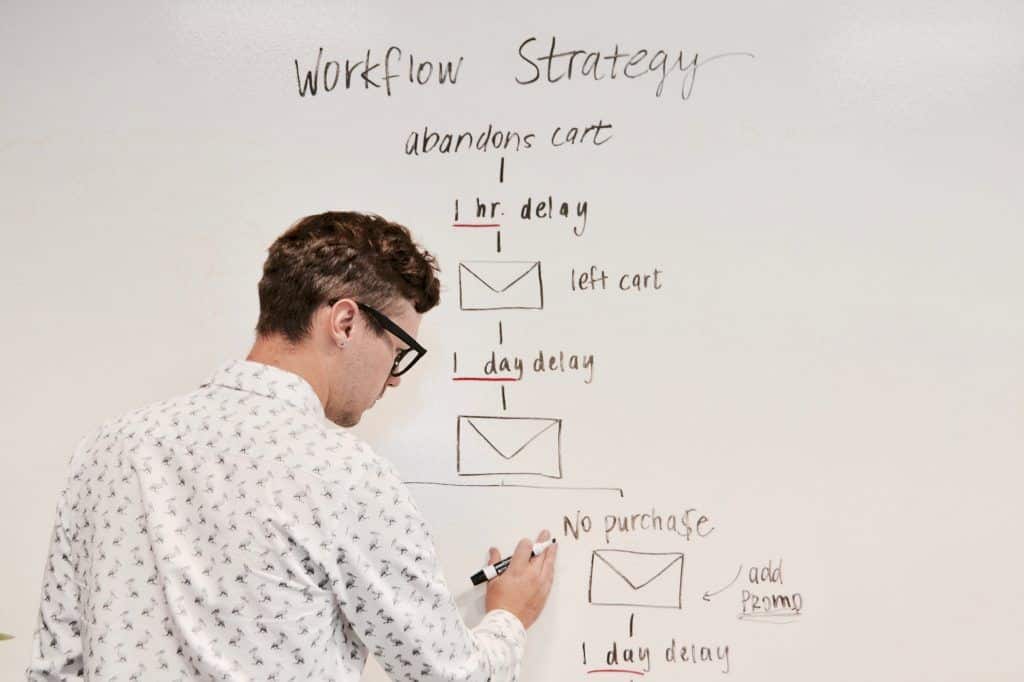
For ecommerce stores, digital marketing drives sales. You attract visitors through Google Shopping, Facebook ads or influencer campaigns, and send them to product pages that convert. An ecommerce store with 800 products sees that 98% of visitors don't buy right away. That's why you deploy retargeting: visitors who viewed a product later see ads with that product or a discount code. You send abandoned cart emails, offer free shipping, and activate loyalty programs for returning customers. This increases conversion from 2% to 4%, doubling your sales without additional traffic. It does require a well-functioning ecommerce store, clear product texts, and reliable tracking through analytics.

Local findability for service providers and stores

If you serve customers in a specific area, local digital marketing is essential. You optimize your Google Business Profile, collect reviews, and ensure you appear in local search results and on Google Maps. A dental practice in Nijmegen doesn’t want to rank nationally, but it does want to appear at the top for “dentist Nijmegen ” or “emergency dentist near me.” You combine this with local ads, content addressing frequently asked questions in your region, and collaborations with local partners. This approach works well for brick-and-mortar stores, practices, restaurants, and service providers with a specific service area. It requires a smaller budget than national campaigns, but it does require precise targeting and consistent NAP information (name, address, phone number) across all platforms.

When digital marketing is the right choice and when it is not

Digital marketing pays off when your target audience searches, compares or buys online. This is true for almost all SME sectors, from IT services to garden centers. It doesn't work if your target audience decides offline, if your product is too niche for sufficient search volume, or if you don't have a budget to sustain for at least six months. A sole proprietor without a website is better off investing in a working website first than in advertising. A startup without a product-market fit needs to validate whether there is demand before marketing budget goes in. Digital marketing reinforces what works but does not solve fundamental problems such as a poor product, unclear offering or poor customer service.

Want to apply this to your business? Monkey Vision helps SME entrepreneurs with web design, SEO and smart digital solutions. Schedule a no-obligation meeting and find out what's possible for you.

Schedule an introduction

Frequently Asked Questions

No, online advertising is only one part of digital marketing. Digital marketing includes all online activities to reach customers: SEO, content marketing, email campaigns, social media, website optimization and analytics. Advertising through Google Ads or Facebook is a paid channel to get visible quickly, but without a good website, relevant content or follow-up, it does little good. In practice, we see with SME clients that a mix of organic channels and paid campaigns works best: SEO for structural findability, ads for quick leads, and email to keep relationships warm. Those who advertise alone without that foundation pay too much per lead and miss opportunities for customer retention.

It depends on your urgency, budget and competition. SEO delivers structural findability without ongoing advertising costs, but requires six to 12 months before you see results. SEA (advertising through Google Ads) delivers immediate traffic and leads, but stops once your budget runs out. An installation company with urgent jobs often chooses SEA to bring in leads now, while a consulting firm with longer sales processes invests in SEO and content. A combination is ideal: ads for fast growth, SEO for sustainable findability. At Monkey Vision , we often start with a quick-win SEA campaign to generate cash flow, and in parallel build SEO foundation for the long term.

The biggest mistake is wanting to use all channels at once without focus. An SME with limited budget sprinkles budget across SEO, advertising, social media and email, but does each channel half-heartedly. The result: nowhere near enough impact to measure or adjust. Second mistake: not setting clear goals. "More visitors" is not a goal; "20 leads per month from Google Ads at up to €50 per lead" is. Third mistake: tracking not in order. Without reliable analytics, you don't know which channel is working, so you're throwing money away. Fourth mistake: giving up too soon. Digital marketing requires at least three months to optimize. Those who stop after four weeks because it doesn't run right away are missing the learning curve.

The best approach depends on your current situation, target audience and growth stage. Do you already have a website but no leads? Or do you want to move from ad-hoc to structural growth? Schedule a free 30-minute digital marketing scan at Monkey Vision. We walk through your current channels live, analyze where opportunities lie, and immediately give you three concrete points of improvement you can pick up this month. You get an honest estimate of what mix of SEO, advertising and content suits your situation, including budget and timeline. No sales pitch, just practical advice. Check out our SEO and marketing services or schedule a scan right away.

About the author

Monkey Vision

Monkey Vision is a full-service digital agency at Nijmegen, specializing in web design, SEO, and AI automation for small and medium-sized businesses. The knowledge base has been compiled by our team of online strategists and is continuously updated based on current insights.

Publication date: 26-04-2026
Last update: 26-04-2026