Logo

Trademark, Logo design, Branding, Corporate logo, Logo image
A logo is a visual landmark that summarizes your company in a single image. It makes you instantly recognizable to customers and sets you apart from competitors.

What is a logo?

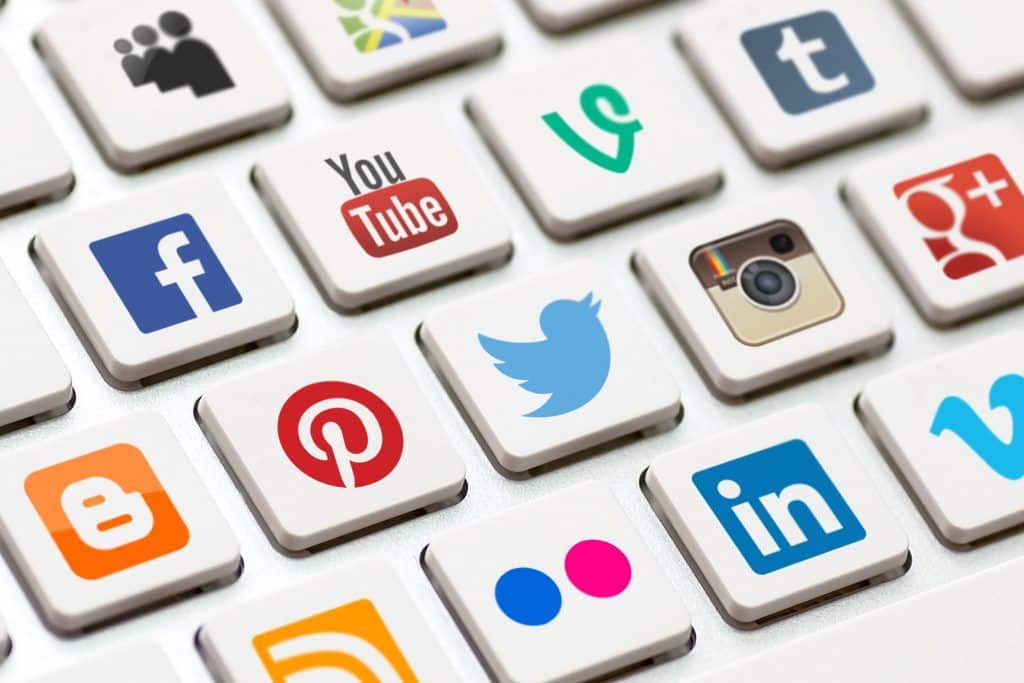
A logo is a visual symbol that represents your company and makes it recognizable. It can consist of an image, letter, symbol or combination thereof. A good logo summarizes the essence of your brand in one compact image that customers remember. For SMBs, a logo is often the first moment of contact with potential customers, whether on a website, business card or social media.

How a logo works in practice

A logo functions as a visual abbreviation of your company name and brand promise. When someone sees your logo, it immediately evokes associations with your services, quality and values. Think of Apple's apple or Nike's swoosh. In the SME context, this works exactly the same way, only on a smaller scale. An installation company with a recognizable logo on its company bus creates brand awareness in the neighborhood. An ecommerce store with a consistent logo in the header, on invoices and in emails builds trust. The logo becomes the anchor of your visual identity, around which all other design elements arrange themselves. Colors, fonts and shapes in your logo often determine the rest of your brand identity.

Why companies develop a logo

The concept of a trademark has been around for centuries. Artisans used stamps to mark their work. With the rise of mass production and advertising in the 19th and 20th centuries, logos became essential for brand recognition. Today, a logo is still the most effective means of visually distinguishing your business. In a market where consumers encounter hundreds of brands every day, a strong logo ensures that you don't get lost in the crowd. For startups, it is often the first investment in brand identity. For established companies, an updated logo can mark a strategic repositioning. The World Wide Web Consortium(W3C) also stresses the importance of accessible logos with sufficient contrast and scalable formats for digital use.

What a logo brings to your business

A professionally designed logo instantly increases your credibility. Customers take a company with a thoughtful logo more seriously than a competitor with an improvised design. In practice, we at Monkey Vision see that SME entrepreneurs are approached more often by larger clients after a rebranding with a new logo. A strong logo also makes you more efficiently recognizable at trade shows, in Google search results and on social media. It lowers the threshold for customers to remember and pass on your brand. In addition, a good logo offers flexibility: it works on a website header 200 pixels wide as well as on a billboard 4 meters high. With a new website project, the logo is often the starting point for color scheme, typography and tone of voice in design.
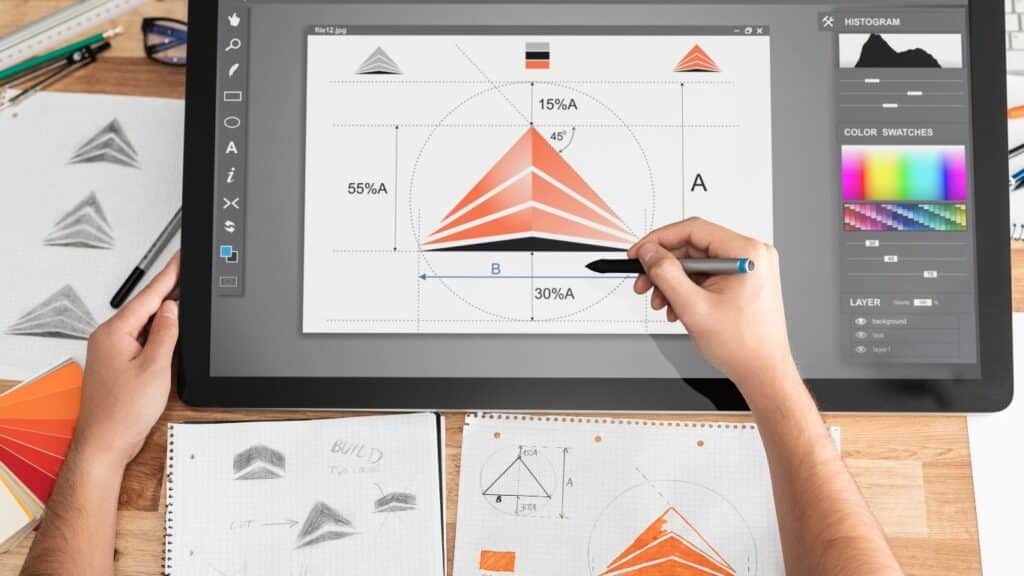
Applications of a logo

A logo only gets value when you use it consistently in all the places where customers encounter your company. Below you can read about where a logo has the most impact and how to maximize its power in your daily business operations.

Website and digital channels

On your website, the logo is usually in the upper left corner of the header. This is no coincidence: users expect to find the logo there and click on it to return to the homepage. A well optimized logo loads quickly, scales with different screen sizes and stays sharp on retina displays. Preferably use an SVG file for Web use, as it scales infinitely without losing quality. In addition to the website, deploy the logo on social media profiles, in email signatures, newsletters and Google My Business. An ecommerce store with 800 products benefits tremendously from a recognizable logo in the checkout: it gives confidence at the time the customer has to pay. In ecommerce store development, we therefore always integrate the logo prominently in shopping carts, confirmation emails and return labels.

Offline print and promotional materials

Business cards, stationery, invoices, offers, leaflets and posters: wherever your company name appears, your logo belongs. For print, you need a high-quality vector version, usually in EPS or PDF format. Make sure your logo is available in color, black and white and possibly an inverse version for dark backgrounds. A painter distributing leaflets in a new construction district will gain more trust with a professional logo than with just a phone number. The same goes for business gifts: a pen, USB stick or bag with your logo reinforces brand awareness every time the recipient uses it. Be careful though: cheap reproduction of your logo on promotional materials can actually damage your image. Better a limited edition with sharp quality than mass production with blurry images.

Vehicles, signing and buildings

Commercial vehicles, facade lettering and advertising banners offer opportunities for brand visibility on a large scale. A mechanic driving through the region daily generates hundreds of impressions per week with an eye-catching logo on the van. Signing on your office building strengthens your local presence and helps visitors find you. With these applications, scalability is crucial: a logo that works on a 5-centimeter business card must also be readable on a 3-meter banner. Therefore, avoid too much detail or too thin lines in your design. An SME with five service vans creates a fleet feel by applying the logo consistently, including the same colors and fonts. This conveys professionalism and reliability, even before the first service is provided.

When a logo is the right choice and when it is not

A logo is always valuable if you regularly interact with customers or experience competition. For sole proprietors who operate solely by word of mouth and don't need a website or print materials, a logo may be less of a priority. But once you want to be visible online, send out quotes or appear at trade shows, a logo becomes indispensable. Note that a logo alone does not solve unclear positioning. If you do not know what makes your company unique, a designer cannot capture that in an image. Therefore, always start with a clear brand strategy before having a logo designed. A logo that does not connect with your target audience or service is counterproductive and will cost more in the long run than it delivers.

Want to apply this to your business? Monkey Vision helps SME entrepreneurs with web design, SEO and smart digital solutions. Schedule a no-obligation meeting and find out what's possible for you.

Schedule an introduction

Frequently Asked Questions

No, a logo is part of your brand identity, but not the same thing. A logo is the visual symbol that represents your company. A brand identity includes the logo plus all the other visual elements: color palette, typography, photo style, icons and layout rules. Think of brand identity as the complete recipe, and the logo as the main ingredient. Without brand identity, you might use your logo inconsistently, with changing colors or fonts on different materials. That weakens recognition. A complete brand identity ensures that all communications, from website to invoice, form one coherent whole. In practice, we often see SMB companies start with just a logo and later expand the brand identity when the need for consistency grows.

It depends on your budget, time investment and ambitions. Online logo makers deliver quick results for little money, but offer little customization and no strategic advice. You risk a generic design that looks like dozens of other companies. A professional designer examines your target audience, competition and brand values before making sketches. That produces a unique logo that truly fits your business and scales to all applications. For a sole proprietor just starting out and having little customer contact, a budget version may suffice temporarily. But once you grow, appeal to investors or want to project a professional image, a well-designed logo pays for itself in credibility and brand awareness. At Monkey Vision , we always combine logo design with brand development, so the end result is strategically based.

The biggest mistake is putting too much detail into the design. A logo must remain recognizable on a 50-pixel screen size, but also on a 4-foot billboard. Lines that are too thin, small fonts or intricate illustrations disappear when reduced in size. A second pitfall is trendiness: a logo that seems hip now will feel dated three years from now. Therefore, choose timeless shapes and avoid fads such as extreme gradients or 3D effects. A third mistake is unclear file formats. Get a vector file (AI, EPS or SVG) in addition to a PNG or JPG so that your logo scales without loss of quality. Furthermore, we often see entrepreneurs choosing a logo that they themselves like, but that does not match the tastes of their target audience. Therefore, test your logo on a few representative clients before making it final.

The power of a logo is in consistent application across all touch points with your customer. Start with a logo that fits your brand identity and target audience. Make sure you have all file formats: vector for print, PNG with transparent background for digital use, and a favicon for in the browser. Want to know if your current logo is working optimally and where you're missing opportunities? Schedule a free 30-minute brand analysis at Monkey Vision. Together we look at how your logo performs on your website, social media and offline materials. You will immediately receive three concrete points of improvement you can pick up this month, plus an honest assessment of whether a renewal makes sense. Not a sales pitch, but practical advice tailored to your industry and growth phase. Check out our approach to brand identity and logo design.

About the author

Monkey Vision

Monkey Vision is a full-service digital agency at Nijmegen, specializing in web design, SEO, and AI automation for small and medium-sized businesses. The knowledge base has been compiled by our team of online strategists and is continuously updated based on current insights.

Publication date: 26-04-2026
Last update: 26-04-2026