Visual Communication

Visual identity, Visual communication, Graphic communication, Visual communication, Corporate identity
Visual communication is the conveyance of information, ideas, and emotions through visual materials such as logos, infographics, photos, and videos. It reinforces your message and makes complex information quickly understandable.

What is Visual Communication?

Visual communication is the conveyance of information, messages, or brand values through visual elements such as photos, illustrations, colors, typography, icons, and video. Instead of text alone, you use visual tools to convey a message more quickly and powerfully. For small and medium-sized businesses, this means in practice: your story resonates more directly with people, sticks better in their minds, and sets you apart from competitors who rely solely on words.

How visual communication works in practice

Our brains process images up to 60,000 times faster than text. That explains why an infographic about your services sticks in peopleโ€™s minds better than a page full of bullet points. Visual communication works through a combination of color, shape, composition, and movement. A logo communicates brand identity at a glance. A product photo with the right lighting inspires trust. A diagram makes complex processes understandable at a glance. At Monkey Vision , weโ€™ve noticed that clients often underestimate how much faster visitors scan a page than they read it. Those who visually reinforce their message lose fewer visitors in the first five seconds. Think of icons for USPs, color-coding in dashboards, or a hero image that immediately shows what you do. Every visual element must serve a purpose: to attract attention, enhance understanding, or evoke emotion.

Why visual communication emerged and is now more important than ever

Visual communication is as old as cave paintings, but it gained new momentum with the rise of print media, later television, and now digital channels. Where text requires a long reading time, images offer instant recognition. In an online environment where visitors stay on a page for less than ten seconds on average, visual impact determines whether your message gets through. Social media, ecommerce stores, and responsive design have elevated visual communication from a โ€œnice-to-haveโ€ to a โ€œmust-have.โ€ Those who fail to convey their brand message visually will get lost in the noise.

What Visual Communication Delivers for Small and Medium-Sized Businesses

A well-thought-out visual strategy ensures faster recognition, higher engagement, and more conversions. Visitors understand what you do in three seconds if your homepage is visually clear. Product pages with high-quality photos and clear icons convert better than walls of text. Visual communication also helps internally: processes, organizational charts, and dashboards become more accessible to your team. When developing a brand identity, we translate brand values into color palettes, typography, and visual style that are consistently applied across all communications. This helps you build brand recognition without having to explain your story over and over again. Visual communication isnโ€™t just decoration; itโ€™s a strategic tool that strengthens your brand position and engages your target audience more quickly.

Applications

```html

Visual communication is present in virtually every customer touchpoint, from the initial introduction to follow-up. The choice of a specific format depends on your target audience, the channel, and the complexity of your message. In practice, we see that small and medium-sized businesses often start with a single applicationโ€”such as a redesigned websiteโ€”and then discover that the same visual principles also strengthen their quotes, social media, and presentations.

Website and landing pages for conversion

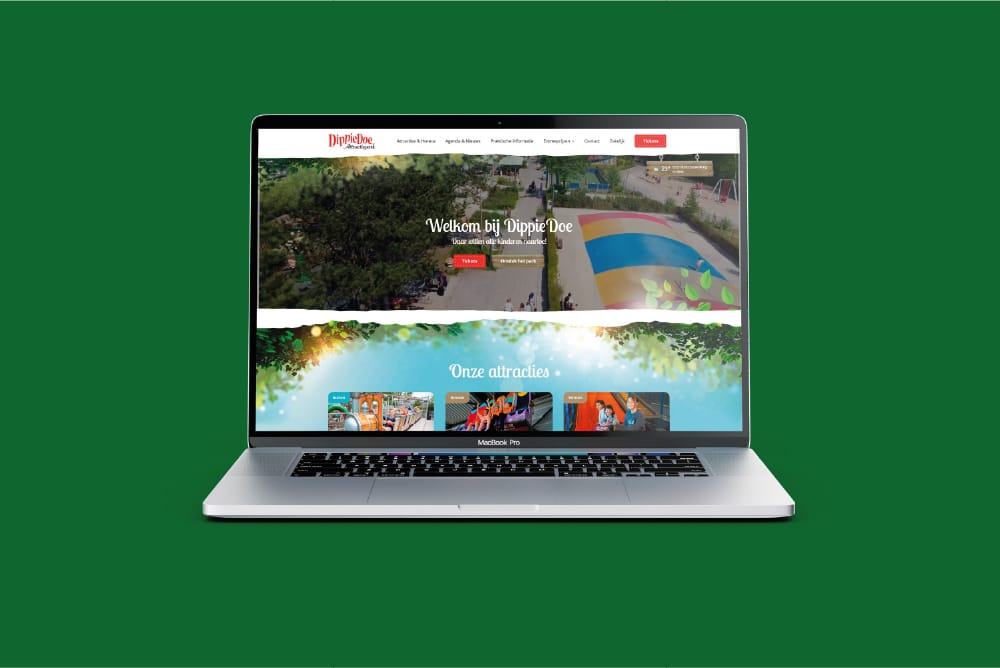
For many small and medium-sized businesses, a website is the most important sales channel. Here, visual communication determines whether a visitor understands what you do within three seconds and whether they click further. A well-thought-out web design combines white space, clickable call-to-action buttons in contrasting colors, and imagery that resonates with the target audience. For example, a B2B consultant might opt for understated photos of team members in work situations, while a childcare center would use playful illustrations and warm colors. Our projects show that landing pages with a single, clear visual hierarchy convert 30 to 40 percent better on average than pages with too much text or too many different fonts.

Social media content for brand recognition and reach

On platforms like LinkedIn, Instagram, and Facebook, visual communication determines whether your post stands out in a crowded timeline. A recognizable color scheme, consistent use of your logo, and a fixed template style for carousels or quote images strengthen your brand identity. A local bakery that posts a photo of a fresh product every day using the same filter and typography builds brand recognition in this way. A technical consulting firm that translates complex processes into infographics with icons and step-by-step guides makes abstract services tangible. With small and medium-sized business (SMB) clients, we often see that a consistent visual style on social media leads to more direct inquiries and increased recognition at networking events within just six weeks.

Presentations and quotes that demonstrate trust and professionalism

A quote or pitch presentation is often the moment when a potential client decides whether to work with you. Visual communication elevates a standard Word document or PowerPoint presentation to a professional level. Think of consistent color use that aligns with your brand identity, clear headings with ample white space, and tables or charts that provide clarity on pricing or scheduling. An installation company that includes photos of previous projects and a timeline with icons in its quotes conveys a sense of craftsmanship. A consulting firm that visualizes its approach with a flowchart instead of bullet points makes its added value immediately apparent. In practice, we see that visually appealing quotes are more likely to lead to a follow-up meeting than text-heavy versions.

When visual communication is the right choice and when it is not

Visual communication works best when youโ€™re targeting a broad or visually oriented audience, need to simplify complex information, or want to differentiate your brand in a crowded market. It is less suitable when your target audience makes decisions based solely on technical specifications or price, such as with commodity products where brand preference is not a factor. Investing in visual design can also be disproportionate for very short turnaround times or one-time communications. A legal contract, for example, primarily requires clear typography and structure, not illustrations or color accents.

```

Want to apply this to your business? Monkey Vision helps SME entrepreneurs with web design, SEO and smart digital solutions. Schedule a no-obligation meeting and find out what's possible for you.

Schedule an introduction

Frequently Asked Questions

No, visual communication is broader than graphic design. Graphic design focuses on creating visual elements such as logos, posters, and layouts. Visual communication also encompasses the strategy behind it: what message do you want to convey, to whom, and through which channel. A graphic designer creates the visual, while a visual communication strategist determines what that visual is meant to achieve. In practice, thereโ€™s often overlap: a good designer contributes to the strategy, and a strategist has an eye for design. For small and medium-sized businesses, itโ€™s important that design and strategy come together in a single, consistent narrative, so that every visual contributes to your brand identity and business goals.

The best approach combines both, but the balance depends on your target audience and message. Visual communication works better if you want to grab attention quickly, evoke emotion, or simplify complex information. Text-based content is more effective for in-depth explanations, SEO optimization, and building trust through expertise. An ecommerce store relies heavily on product photos and videos, while a legal consulting firm benefits more from clear text accompanied by supporting diagrams. In practice, we see that small and medium-sized businesses perform best with a mix: text for SEO and authority, and images for conversion and brand recognition. Start with strong web design that balances both elements.

The biggest mistake is inconsistency: each channel uses different colors, fonts, or visual styles, causing brand recognition to disappear. A second pitfall is including too much information in a single visual. Infographics with ten steps or posters full of text are counterproductive. Keep it simple and focus on one core message per visual. A third mistake is using generic stock photos that have no connection to your brand or service. Those images donโ€™t evoke emotion and donโ€™t set you apart from competitors. Instead, invest in original photography or illustrations that align with your brand identity. Finally, visuals that arenโ€™t accessibleโ€”such as images without alt text or videos without captionsโ€”exclude part of your target audience and harm your SEO.

The best first step depends on where you are right now. Do you already have a logo and brand identity but lack consistent implementation? Then start by rolling out your visual identity across all channels: website, social media, proposals, and presentations. Still missing a strong foundation? Schedule a free 30-minute brand consultation with Monkey Vision. Weโ€™ll review your current materials and immediately provide you with three areas for improvement that you can tackle this month, plus an honest assessment of what a professional brand identity can do for your business. No sales pitchโ€”just practical advice.

About the author

Monkey Vision

Monkey Vision is a full-service digital agency at Nijmegen, specializing in web design, SEO, and AI automation for small and medium-sized businesses. The knowledge base has been compiled by our team of online strategists and is continuously updated based on current insights.

Publication date: 26-04-2026
Last updated: June 28, 2026