Governance is the system of agreements, roles, processes, and controls through which an organization makes decisions, manages risks, and assigns responsibilities. It determines who is authorized to make which decisions, how quality and compliance are monitored, and how transparency and accountability are organized. For small and medium-sized businesses, governance primarily involves practical working agreements that prevent growth from leading to chaos, employees from working at cross-purposes, or compliance risks from going unnoticed.
How governance works in practice
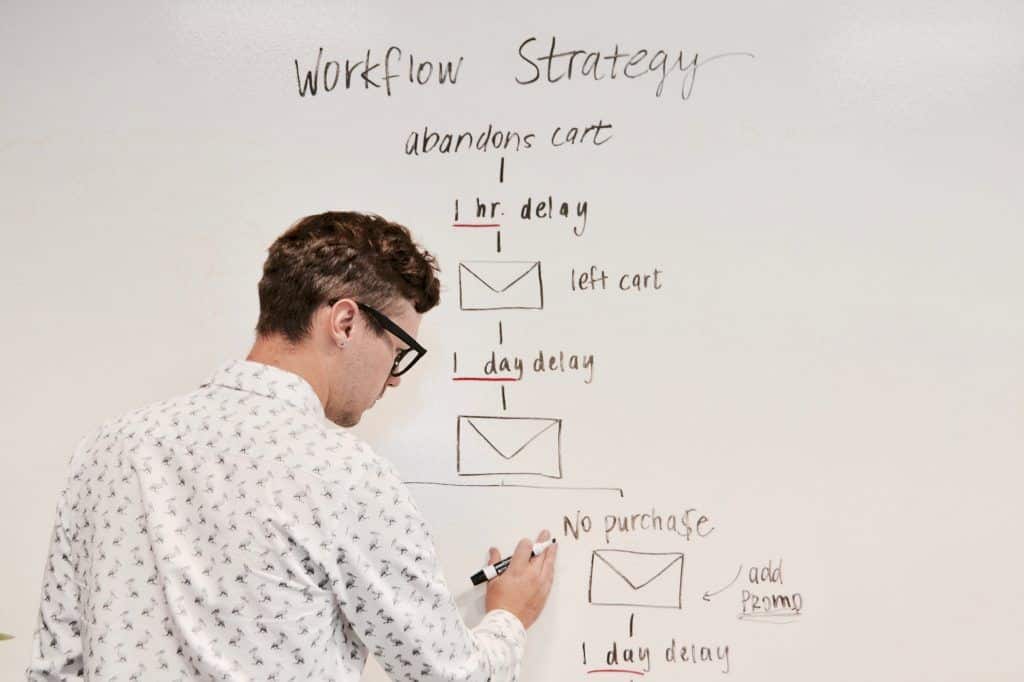
Governance begins with naming roles and responsibilities. Who decides on budgets, who approves new vendors, who manages access to customer data? Next, you establish decision-making procedures: what steps do you go through when an investment is made, how do you escalate problems, when do you report to management or the supervisory board? Finally, you build in control mechanisms: audits, reviews, dashboards and reports that show whether agreements are being kept. Governance is not bureaucracy for the sake of bureaucracy, but a toolbox that helps keep consistent decision-making as your business becomes more complex.
Why governance came into being and why it matters now
Governance as a formal concept comes from the world of publicly traded companies and non-profit organizations, where external regulators demand transparency and accountability. In SMEs, governance was long seen as something for large corporations. But with the advent of the General Data Protection Regulation, increasing cyber threats, AI applications and stricter liability for data processing, governance is now relevant for smaller companies as well. You need to be able to demonstrate that you take privacy, security and ethical choices seriously. That requires clear agreements and responsibilities.
What governance brings to SMEs
A working governance framework gives you peace of mind and predictability. Employees know where they stand, customers get consistent service, and risks are identified early. Governance also helps you scale: new team members can be inducted faster because processes are documented, and external parties such as investors or auditors see that you have a grip on your business. In a search engine optimization project, for example, governance ensures that content processes, quality controls and reporting are structurally embedded rather than dependent on one person. Governance is also crucial in AI automation: who decides which processes can be automated, how do you test for bias, and how do you ensure human control?