Brand Image

Brand image, Brand image, Brand perception, Brand identity, Corporate image
Brand image is the image customers and prospects have about your brand, formed through all contact moments. It influences trust and buying decisions.

What is brand image?

Brand image is the overall image that customers, suppliers and other stakeholders have of your company. It is created through all the experiences, communications and contact moments they go through with your brand. This image lives in the minds of your target group and determines whether they trust you, recommend you or ignore you. For SME entrepreneurs, brand image is not an abstract marketing concept, but a measurable factor that influences sales, customer loyalty and recruiting power.

How brand image emerges and develops

Brand image is not built in one campaign. It is the result of hundreds of small interactions: the speed with which you answer emails, the quality of your website, the way you handle complaints, the tone of voice in your content and even how your invoices look. With SMEs, personal contact plays a big role. An account manager who is always thinking along reinforces the image of reliability. A slow response on LinkedIn can do the opposite. In practice, we see that many entrepreneurs have their brand identity well down on paper, but the daily implementation differs. That difference between promise and reality constitutes the true image. Google reviews, word of mouth and social proof further reinforce or undermine this image.

Why brand image matters more now than it did a decade ago

Transparency has become the norm. Customers not only compare prices, but read reviews, check your LinkedIn profile and see how quickly you respond to inquiries. A bad image spreads faster than ever. At the same time, this creates opportunities: a strong, consistent brand image gives you an edge in markets where product characteristics hardly differ. Consider two accounting firms with similar services. The firm with an image of accessibility and clear communication is more likely to win the pitch. That image is created through consistent behavior, not a fancy brochure. According to CBS research, reputation plays a decisive role in 68% of B2B purchasing decisions in the United States.

What brand image brings to your business

A positive brand image lowers your acquisition costs. Customers who already trust you need less persuasion and are less likely to ask for discounts. They are more likely to recommend you, which generates warm leads. You also attract talent more easily: candidates would rather choose an employer with a good image than an unfamiliar name. At Monkey Vision , we help SMEs translate their brand strategy into a consistent image, from website and content to customer service and employer branding. This starts with an honest audit: what does your brand promise and where do you deviate? Then together we build an implementation plan that fits your organization, so that your image not only sounds beautiful, but is also delivered on a daily basis.

Applications of brand image

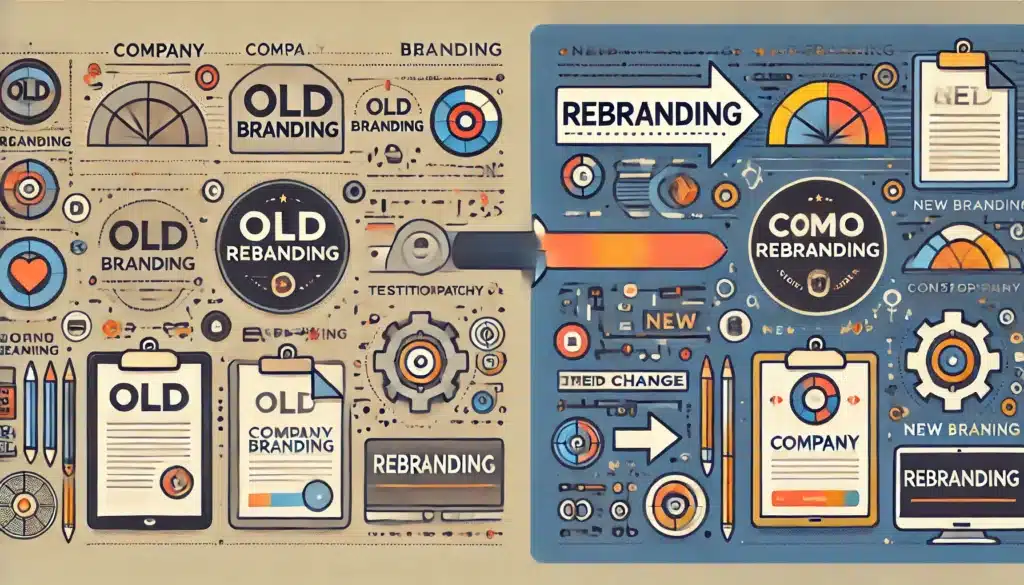
Brand image is not a static fact, but a tool that you can actively use. Entrepreneurs who consciously direct their image use it as leverage in sales, recruitment, partnerships and price negotiations. Below are four concrete situations in which brand image makes a difference, plus a decision criterion to determine whether active image management is a priority for you now.

Brand image as a selling point in B2B processes

In long-term sales processes, trust outweighs specifications. An IT service provider with an image of reliability and quick support is more likely to win than a cheaper competitor with no track record. You build that image by publishing case studies, making certifications visible and sharing customer reviews on your website and LinkedIn. In practice, we find that SMEs often have strong stories, but don't communicate them structurally. A content marketing strategy that focuses on customer results strengthens your image as a problem solver. Make sure prospects know your name before they even request a quote. That increases your win-rate and gives you more room to negotiate on price.

Employer branding and recruiting power

A strong brand image attracts better candidates and lowers your recruiting costs. Job seekers google your company, read Glassdoor reviews and check how employees talk about you on LinkedIn. If your image is that you invest in development and have a pleasant work culture, more people apply proactively. That saves recruitment budgets and lowers the risk of wrong hires. At a Nijmegen software company, we saw that after publishing employee stories and a transparent career page, the number of applications increased by 40%. The image of "good employer" is not created by a fancy office, but by consistent behavior: clear communication, advancement opportunities and recognition. A thoughtful brand identity helps tell that story consistently.

Partnerships and collaborations

Other companies choose their partners based on reputation. An image of innovation and flexibility opens doors with larger clients or distributors. Conversely, an image of inertia or unclear communication can exclude you from opportunities. Consider a wholesaler that works only with suppliers that are certified and have an image of sustainability. Or a software integrator that only partners with parties known for good support. Your brand image determines whether you come to the table at all. Make sure your online presence, from website to LinkedIn profile, is professional and up-to-date. That signals stability and reliability.

When brand image is the right focus and when it is not

Actively working on your brand image pays off if you operate in a market where trust and reputation outweigh price. Think consulting, healthcare, financial services or complex B2B products. It pays less if you are in a pure price market or if your product is so unique that customers have no alternatives. Then product improvement is more important. Even if your organization is still struggling internally with quality or customer satisfaction, it's wise to get those basics in order first. Building a nice image while service is substandard is counterproductive. Start with an honest brand audit: what do we promise and what do we really deliver? Only then invest in communication and visibility.

Want to apply this to your business? Monkey Vision helps SME entrepreneurs with web design, SEO and smart digital solutions. Schedule a no-obligation meeting and find out what's possible for you.

Schedule an introduction

Frequently Asked Questions

No, brand identity is what you want to project as a company, brand image is what customers actually think of you. Identity you design yourself: your logo, tone of voice, values and positioning. Image is created in the minds of your target audience, shaped by all experiences with your brand. You can have an identity that exudes innovation, but if your website is slow and your customer service is unresponsive, your image is outdated and unreliable. The difference between the two is the feedback loop: listen to how customers really experience you and tailor your identity and behavior accordingly. Many SMEs invest in a nice brand identity, but forget about the daily touchpoints. That leads to a gap between promise and experience.

Start with your product or service. A strong image without good delivery is a bubble that quickly pops. Negative reviews and disappointed customers undermine any image story. First, make sure your quality, service and customer satisfaction are up to par. Measure that with NPS scores, reviews and customer conversations. Only when you structurally score a 7.5 or higher, does it pay to actively build your image. Then you strengthen what is already good instead of putting up a facade. In practice, we see that companies that respect this order grow more sustainably. One exception: if your image is unjustly negative due to old information or miscommunication, you can work in parallel on reputation restoration and product quality. Transparency then helps: acknowledge what went wrong and show what you have improved.

Start with three data sources: Google reviews and other platforms, a short customer survey, and conversations with your sales team. In a survey of up to five questions, ask customers how they describe your brand in three words, what they see as your strongest point and where they would improve you. Analyze your online reviews for recurring themes. Talk to your salespeople: what objections do they hear often, what compliments come back? Compare that input with your desired brand identity. Large discrepancies indicate an image problem. Tools like Brandwatch or simpe simply a structured spreadsheet help see patterns. Repeat this measurement semi-annually to monitor whether your actions are having an effect. Objective data prevents you from being stuck in your own bubble.

Want to know how your brand truly comes across and where the biggest opportunities lie? Schedule a free 45-minute brand audit at Monkey Vision. Together, we’ll conduct an analysis of your online presence, customer feedback, and competitive position. You’ll immediately receive three concrete areas for improvement that you can tackle this month, plus an honest assessment of how a stronger brand image could boost your revenue. No sales pitch—just practical advice based on our experience with dozens of small and medium-sized businesses in the Nijmegen region and beyond. Whether you want to work on brand strategy, a new website, or a consistent content strategy, we’ll determine what best aligns with your current stage and ambitions. Send us an email or fill out the contact form, and we’ll schedule a time to talk.

About the author

Monkey Vision

Monkey Vision is a full-service digital agency at Nijmegen, specializing in web design, SEO, and AI automation for small and medium-sized businesses. The knowledge base has been compiled by our team of online strategists and is continuously updated based on current insights.

Publication date: 26-04-2026
Last update: 26-04-2026