Headless Commerce

Headless ecommerce, Headless ecommerce store, API-first commerce, Decoupled commerce, Headless architecture
Headless ecommerce is an ecommerce architecture where the frontend is separate from the backend system. This allows you to set up customer experience and sales channels flexibly.

What is Headless Commerce?

Headless ecommerce is an ecommerce architecture where the frontend (the side that customers see) is completely separate from the backend system (where product data, inventory and orders are managed). The two layers communicate via an API, allowing you to freely choose how and where to present products. For SMBs, this means you can use the same product catalog for your ecommerce store, mobile app, social commerce, and even physical checkouts, without having to change your entire system each time.

How headless commerce works technically

In a traditional ecommerce store, the shopping cart, product pages and management system are all in one package. In headless commerce, you split that up. The backend system manages all the business logic: prices, inventory, customer data and payments. The frontend, via API calls, retrieves only the data needed to display a page. That can be a website, but also an app, a voice assistant or a digital screen in the store. The frontend returns orders, payments and customer data via that same API. Because the layers are independent, you can refresh one without touching another. Developers can, for example, build a React frontend while the Shopify or WooCommerce backend continues as normal.

Why headless commerce is relevant now

The architecture emerged when ecommerce companies noticed that their customers wanted to buy through more and more channels: website, app, Instagram, marketplaces and physical stores. Traditional platforms were not built to support that diversity without major modifications. Headless commerce solves that by connecting one backend to multiple frontends. The method is relevant now because customers expect to be able to buy from anywhere and for the experience to be seamless. For example, a B2B wholesaler wants a customer portal, a catalog app for reps AND a quick checkout for returning customers, all powered by the same product data and inventory status.

What headless commerce brings to ecommerce stores

With headless commerce, you can experiment faster with new sales channels without migrating your entire platform. You keep your existing back office, but build a new checkout experience or launch an app without having to redesign everything. That's valuable if you want to test whether TikTok Shop or a custom app generates conversion. In addition, you can make the frontend faster and more user-friendly because you're not tied to your platform's templates. In practice, we see with SME customers that headless pays off especially if you serve multiple brands, markets or channels from a single inventory and order system. For a standard ecommerce store with one sales channel, the investment is often too large.

Applications of Headless Commerce

Headless commerce comes into its own when you want to serve multiple touchpoints with one product catalog and order system. Think of ecommerce stores that also sell via app, marketplace or physical checkout, or B2B companies that want customer-specific portals without replacing their ERP. Below are four concrete scenarios in which the architecture offers measurable benefits.

Multi-channel sales with one stock

A common application is linking an ecommerce store, Instagram Shop, Amazon sales channel and physical checkout to the same backend system. You manage inventory, pricing and product data in one place, and each front end retrieves the right information in real time. That eliminates overselling and duplication of effort. For example, a clothing store with a physical location and an ecommerce store can show the same inventory in both channels. If someone sells an item in the store, it is immediately unavailable online. Without headless, you would have to manually synchronize two systems or accept that sometimes you sell products that are already out of stock.

Client-specific B2B portals and price lists.

B2B ecommerce stores often deal with customer-specific discounts, payment terms and product assortments. With headless commerce, you can build your own frontend per customer that shows only relevant products and prices, while the backend manages one catalog and one order system. For example, a wholesaler can create a portal for retailers with net pricing, a second for installers with project discounts, and a third for end customers with consumer pricing. All three pull data from the same system, but display a different interface and pricing structure. This is more efficient than maintaining three separate ecommerce stores.

Quick experiments with new checkout flows

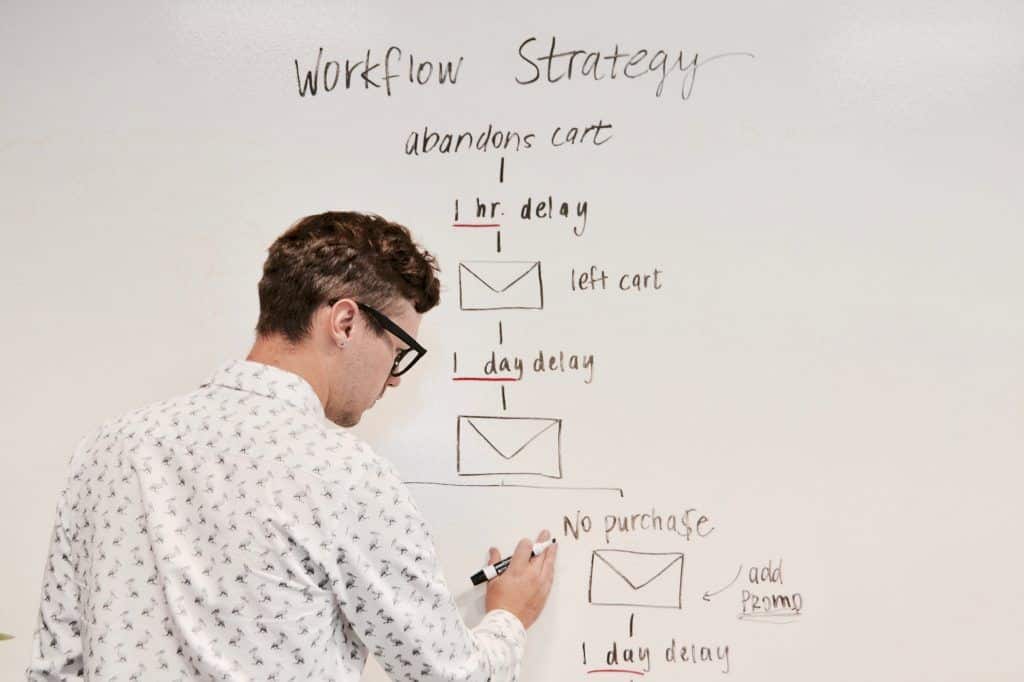
Headless commerce makes it easier to test with alternative checkout experiences without migrating your entire platform. For example, you can build a one-page checkout, a quiz funnel that ends in an order, or a subscription flow with Stripe, while your backend remains just Shopify or WooCommerce. The frontend forwards the order via API to the system you already know. That lowers the barrier to testing whether a new flow generates conversions. So a supplement store can build a quiz that ends in a personalized package without having to change the entire ecommerce store.

When headless commerce is the right choice and when it is not

Headless commerce makes sense if you serve multiple sales channels, want to offer customer-specific experiences, or want to experiment with front-end technology while keeping your backend stable. It is not the right choice if you have one ecommerce store, have no development capacity in-house, and are satisfied with your platform's default templates. The architecture requires more technical knowledge and maintenance work than an all-in-one solution. For an ecommerce store with 200 products and one sales channel, headless rarely delivers enough to recoup the investment. For a company with an app, a wholesale portal and a consumer Web shop, though, it can reduce lead time and maintenance costs.

Want to apply this to your business? Monkey Vision helps SME entrepreneurs with web design, SEO and smart digital solutions. Schedule a no-obligation meeting and find out what's possible for you.

Schedule an introduction

Frequently Asked Questions

Headless commerce and API-first are related but not identical. Headless means that frontend and backend are separate. API-first means that a platform is designed from the ground up to be served via APIs, regardless of whether you use that API for a headless setup. You can also use an API-first platform like Shopify or BigCommerce traditionally, with their standard frontend. Conversely, you can make a traditional platform headless by replacing the frontend and using only the API. In practice, modern headless solutions are often API-first as well, but the terms cover a different aspect of the architecture.

Choose headless if you serve multiple sales channels, want to build customer-specific experiences, or want to quickly experiment with new front-end technology. Choose a traditional ecommerce store if you have one sales channel, no in-house development team, and are satisfied with the standard capabilities of your platform. Headless requires more technical knowledge and maintenance work, but offers more flexibility. A traditional ecommerce store is faster to live and easier to manage. For SMEs with one ecommerce store and limited IT capacity, a traditional platform is often the wisest choice. For companies with multiple brands, markets or channels, headless can actually reduce complexity.

The most practical way is a hybrid approach: keep your existing platform as backend, and build one new frontend for one specific channel. For example, a mobile app that fetches products from your Shopify or WooCommerce environment via API. This way you test whether the architecture works without having to replace your entire ecommerce store. Another option is to use a headless CMS such as Contentful or Sanity for your content while your ecommerce backend continues to run. That gives you more control over product pages and landing pages without flipping the entire system. Start small, measure the effect, and only expand when the business case is right.

The best approach depends on how many sales channels you serve and what technical capacity you have. Do you only sell through one ecommerce store? Then headless is probably too complex. Do you serve customers via app, marketplace and ecommerce store? Then headless can help you switch faster. Schedule a free 30 minute ecommerce scan at Monkey Vision. We walk through your current setup, discuss which channels you want to add, and give an honest assessment of whether headless pays off or whether a traditional solution is a better fit. You get three concrete next steps right away, no sales pitch. Check out our ecommerce store services or schedule a call right away.

About the author

Monkey Vision

Monkey Vision is a full-service digital agency at Nijmegen, specializing in web design, SEO, and AI automation for small and medium-sized businesses. The knowledge base has been compiled by our team of online strategists and is continuously updated based on current insights.

Publication date: 26-04-2026
Last update: 26-04-2026