Facebook Marketing

Facebook marketing, Meta Marketing, Facebook advertising, Facebook Ads, Facebook ads, social media marketing on Facebook
Facebook Marketing involves using Facebook as a platform to reach your target audience through organic posts, ads, and community building. It’s effective for small and medium-sized businesses that want direct customer contact.

What is Facebook Marketing?

Facebook Marketing is the strategic use of the Facebook platform to reach, engage, and convert your target audience. You combine organic posts, paid ads, and community interaction to generate brand awareness, leads, or sales. For small and medium-sized businesses, this means you can use a single platform to both tell your story and directly acquire customers, without first having to nurture a separate website visitor.

How Facebook Marketing Works in Practice

Facebook Marketing revolves around three pillars: your business page as your home base, organic content that builds your reach, and paid ads that target specific audiences. Your business page serves as a storefront where visitors can find your story, reviews, and offerings. Organic posts reach your followers and their network, but organic reach has declined significantly in recent years. That’s why most companies combine this with Facebook Ads: paid campaigns that allow you to target very precisely by location, interests, behavior, and demographic characteristics. You pay per click or per impression, depending on your goal. The platform offers comprehensive analysis tools that let you see exactly which posts and ads are working and which aren’t.

Why Facebook Marketing Is Still Relevant for Small and Medium-Sized Businesses

Facebook was founded in 2004 as a social network but has grown into one of the largest advertising platforms in the world. For many small and medium-sized businesses, it remains one of the most cost-effective ways to gain local or regional visibility. While traditional media such as radio or print often have high barriers to entry, you can get started on Facebook with a budget of just a few euros per day. Moreover, the platform offers capabilities that go beyond advertising alone: think of customer service via Messenger, building a community around your brand, and collecting reviews that strengthen your credibility. The combination of organic and paid content makes it a comprehensive marketing channel.

What Facebook Marketing Can Do for Your Business

With Facebook Marketing, you can achieve measurable results in multiple areas. You can increase your brand awareness in your region or industry, generate leads through forms or chat conversations, and drive visitors to your ecommerce store or contact page. For example, a local bakery can set up a campaign that reaches only people within five kilometers, while a B2B service provider can show ads to decision-makers in specific sectors. The power lies in the combination of targeting and flexibility: you can quickly adapt, test, and optimize. Are you looking for a strategic approach that integrates Facebook Marketing with your broader online presence? A well-thought-out SEO strategy strengthens your organic visibility, while Facebook expands your direct reach. Together, they form a powerful combination for sustainable growth.
Applications of Facebook Marketing

Facebook Marketing offers small and medium-sized businesses concrete opportunities to achieve goals that would otherwise require a significant investment of time or budget. From local brand awareness to targeted lead generation: the applications are diverse and immediately measurable. Below are four scenarios in which Facebook Marketing makes a difference.

Local visibility and foot traffic for physical locations

For businesses with a physical location, Facebook is a powerful tool for reaching people in the area. Think of a restaurant showing an ad to everyone within three kilometers, or a hair salon promoting a discount offer to people who have recently moved. You can even show your ads to people who are currently in the area. That makes Facebook Marketing ideal for impulse decisions and last-minute offers. For example, a bike shop in Nijmegen can set up a campaign that runs only on Friday afternoons and Saturdays, targeting people interested in road cycling. The combination of location, timing, and interest makes this type of campaign highly cost-effective. You only pay for people who truly fall within your target audience.

Lead generation via forms and Messenger

Facebook offers built-in lead forms that allow visitors to submit their information without leaving the app. This significantly lowers the barrier to entry: people don’t have to go to an external website and can express their interest with just two clicks. This works well for service providers offering quotes, intake interviews, or brochures. An installation company can use this to collect leads for a free energy assessment, while a coach can generate sign-ups for an introductory consultation. Messenger campaigns take it a step further: you start an automated conversation in which you ask questions and immediately qualify leads. This allows you to filter out serious leads before investing time in them. This approach aligns well with marketing automation, where you largely automate your follow-up.

Retargeting of website visitors and abandoned shopping carts

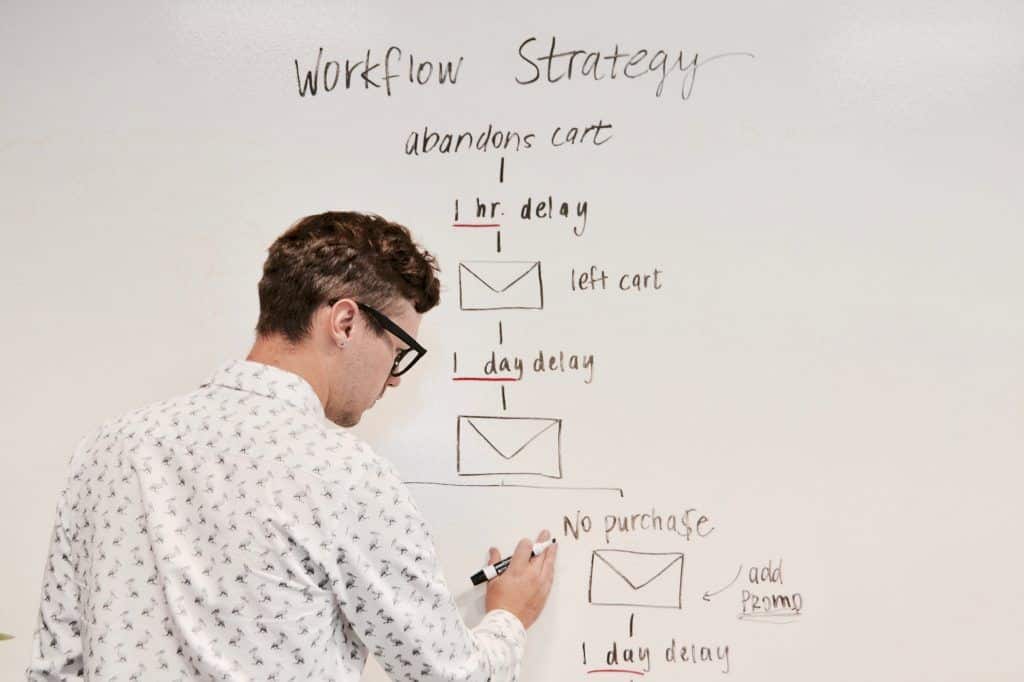
One of the most powerful applications of Facebook Marketing is retargeting: reaching people again who have already visited your website but did not convert. Using the Facebook Pixel, you can tag visitors and later show them ads that align with their previous behavior. Someone who viewed a product page but didn’t place an order will see an ad featuring that specific product. For ecommerce stores, this is essential: on average, only two percent of visitors convert immediately. Retargeting brings back a portion of that 98 percent. This also works for B2B: a software company can show visitors who viewed a pricing page a case study, or invite people who downloaded a white paper to a demo. This way, you boost your ecommerce store’s conversion rate without having to buy additional traffic.

When Facebook Marketing Is the Right Choice—and When It Isn’t

Facebook Marketing works best for businesses with a clear target audience that is active on the platform. Think of local service providers, B2C ecommerce stores, the hospitality industry, and lifestyle brands. B2B companies looking to reach decision-makers in small and medium-sized businesses can also be successful. Facebook is less effective if your target audience is very niche or if your product involves a long, complex decision-making cycle—in which case LinkedIn or Google Ads are more effective. Also consider your capacity: Facebook Marketing requires regular content creation, monitoring, and optimization. If you can’t sustain that, invest first in a strong foundation, such as a well-functioning website and clear brand positioning. Without that foundation, your ads will be expensive and conversion rates will lag.

Want to apply this to your business? Monkey Vision helps SME entrepreneurs with web design, SEO and smart digital solutions. Schedule a no-obligation meeting and find out what's possible for you.

Schedule an introduction

Frequently Asked Questions

No, Facebook Marketing is a part of social media marketing, but it is not the same thing. Social media marketing encompasses all platforms such as Instagram, LinkedIn, TikTok, and YouTube, while Facebook Marketing focuses specifically on the Facebook platform. Each platform has its own characteristics, target audiences, and advertising capabilities. For example, Facebook offers extensive targeting based on interests and behavior, while LinkedIn works better for B2B and professional networking. Instagram focuses more on visual content and younger audiences. For small and medium-sized businesses, it’s often smarter to master one platform thoroughly before expanding. Facebook offers the advantage of allowing you to run both organic and paid campaigns within a single environment, which shortens the learning curve.

That depends on where your customer is in the customer journey. Google Ads works best for people who are actively searching for a solution: they type in a keyword and are ready to buy or get in touch. Facebook Ads targets people who aren’t actively searching yet but do belong to your target audience. You interrupt their scrolling with a relevant offer. For high-urgency services like plumbers or locksmiths, Google is often more effective. For products that encourage impulse purchases, build brand awareness, or appeal to new target audiences, Facebook works better. Many small and medium-sized businesses combine both: Google captures the demand, while Facebook creates it. Start with the platform where your target audience is most active and where your message fits best.

Start with a clear objective and a small test campaign of 50 to 100 euros. Choose one goal: brand awareness, website traffic, or leads. Create three different ads, each with a different image or text, and let Facebook test which one performs best. Don’t narrow your target audience too much: overly narrow targeting makes ads more expensive. Make sure to install the Facebook Pixel on your website so you can track what visitors do after clicking. After a week, analyze which ad has the lowest cost per result and scale that one up. Avoid the mistake of immediately committing large budgets without testing. The first few weeks are a learning process during which you discover what resonates with your target audience. Only then should you increase your budget.

The best approach depends on your current situation and goals. Do you already have an active business page but aren’t sure which content or ads actually work? Then schedule a free SEO and marketing scan at Monkey Vision —a 30-minute session where we’ll review your entire online presence. You’ll immediately receive three concrete areas for improvement in your Facebook strategy, plus an honest assessment of whether paid, organic, or a combination of both will yield the best results for your industry. We’ll analyze your target audience, competition, and current results. No sales pitch—just practical advice you can implement this week. This way, you’ll prevent your budget from being wasted on ads that don’t convert.

About the author

Monkey Vision

Monkey Vision is a full-service digital agency at Nijmegen, specializing in web design, SEO, and AI automation for small and medium-sized businesses. The knowledge base has been compiled by our team of online strategists and is continuously updated based on current insights.

Publication date: June 12, 2026
Last updated: June 12, 2026