Content Optimization

Content optimization, SEO content optimization, Text optimization, Website content optimization, Content improvement
Content optimization is improving existing texts, images and videos for search engines as well as readers. It increases findability and conversion.

What is Content Optimization?

Content optimization is the systematic improvement of existing text, images, videos and other content on your website to be found better in search engines and to lead visitors more effectively to an action. It goes beyond simply adding keywords: you make content more readable, relevant and useful to your target audience, while meeting technical SEO requirements. For SMEs, this often means: upgrading existing pages without starting from scratch.

How content optimization works in practice

Content optimization begins with an analysis of existing pages. You examine search performance in Google Search Console, user behavior in Google Analytics, and technical signals such as load speed and mobile usability. Next, you improve the content in layers: first the structure (headings, paragraphs, white space), then the text itself (keywords, readability, answers to questions), followed by the metadata (title tags, meta descriptions, alt text), and finally the internal linking structure. A well-optimized page fully answers the searcher’s query, loads quickly, and encourages the user to take the next step. The process is iterative: you measure the impact, make adjustments, and repeat.

Why content optimization is becoming increasingly important

Search engines have shifted from keyword recognition to intent recognition in recent years. Google's algorithms such as BERT and MUM increasingly understand context and nuance. That means thin, keyword-driven content is performing less and less well. At the same time, visitors expect quick answers and clear structure. Content optimization has emerged in response to this double pressure: search engines rewarding quality and users who have no patience for unclear texts. For SMEs, it is attractive because you can take existing content to the next level with relatively little effort, without costly new campaigns or complete website redesigns.

What content optimization brings to your business

Well-executed content optimization results in measurably higher positions in Google, more organic traffic and better conversions. In practice, we often see with SME clients that a handful of strategically optimized pages become responsible for 60 to 70 percent of organic traffic. You achieve this by enriching existing pages with answers to questions your target audience really asks, by using internal links smarter and by removing technical bottlenecks. Do you want to work on this systematically? A well thought-out SEO strategy combines content optimization with technical improvements and link building. In this way, you gradually build authority in your field and attract the right visitors to your site.

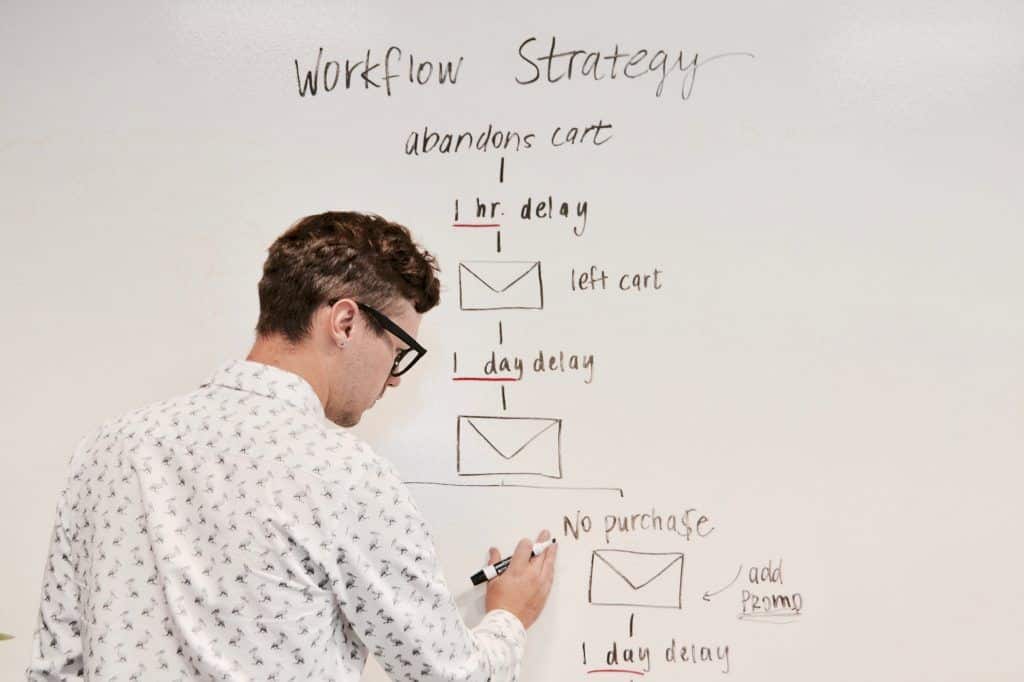
Applications of Content Optimization

Content optimization works in different contexts, from ecommerce stores to knowledge bases. The specific approach depends on your content type, your target audience and your business goals. Below you can see four common applications that you can deploy immediately.

Upgrade existing blog articles for higher positions

One of the most powerful uses is to rewrite blog articles that are already attracting some traffic but are not in Google's top 3. You analyze which keywords the page is already pulling in, which questions competitors are answering and where your own text is unclear or incomplete. Then you add missing information, improve the structure with clear headings and enrich the metadata. An article ranked at position 8 can climb to position 3 with targeted optimization, which often triples organic traffic. This works well for B2B service providers and consulting firms looking to build authority in their field.

Product pages enrichment for better conversion

In ecommerce stores, content optimization is essential to transform product pages from catalog lists to sales tools. You add detailed specifications, answer frequently asked questions directly on the page, improve the alt-texts of product photos and integrate customer reviews. Structure also counts: clear headings, scannable listings and a clear call-to-action increase conversion. An ecommerce store with 500 products doesn't need to optimize everything at once: start with the 20 percent bestsellers that generate 80 percent of sales. That way you see results quickly and build up experience for the rest of your catalog. Want to do this professionally? A well-designed ecommerce store combines conversion design with SEO optimization from the ground up.

Tailoring landing pages to specific search intentions

Landing pages for services or campaigns perform better if they closely match the searcher's query. Content optimization here means rewriting the headline and intro so they directly confirm the search intent, adding social proof at the right point in the page and making the call-to-action more concrete. For example, a landing page for 'WordPress website maintenance' should directly answer questions such as 'what does maintenance entail', 'how often' and 'what does it cost'. Vague texts about 'total solutions' don't work. You optimize by testing the page with real users, monitoring the bounce rate and adjusting the text based on search behavior in Search Console. Want to know more about landing pages that convert?

When content optimization is the right choice and when it is not

Content optimization works best if you already have a foundation: existing pages with some traffic, a clear target audience and measurable goals. It is less suitable if your website is so technically outdated that visitors drop out due to slow load times or if your content fundamentally does not match what your target audience is looking for. In that case, a thorough website redesign makes more sense. Even if you don't have content yet, you can't optimize: you have to create it first. Opt for optimization if you want to build on what works, for new content if you have a blank canvas.

Want to apply this to your business? Monkey Vision helps SME entrepreneurs with web design, SEO and smart digital solutions. Schedule a no-obligation meeting and find out what's possible for you.

Schedule an introduction

Frequently Asked Questions

No, although both overlap. SEO copywriting focuses on writing new text with keywords and conversion in mind. Content optimization, on the other hand, improves existing content: you rewrite, restructure and enrich pages that are already live. You look wider than just text, for example, at images, metadata, internal links and technical aspects such as loading speed. In practice, you often combine both: you write new content according to SEO principles and optimize existing pages based on performance. Content optimization is reactive and data-driven, SEO copywriting is proactive and strategic. Both are necessary for strong organic findability.

It depends on your knowledge, time and the complexity of your site. Simple optimizations like improving alt text, rewriting vague headlines or adding internal links you can do yourself if you understand the basics of SEO. In-depth optimization, such as analyzing search intent, restructuring complex pages or setting up an optimization process based on Search Console data, requires expertise. SMEs with limited time often opt for a hybrid approach: a specialist sets up the strategy and optimizes the most important pages, while the internal team makes simple improvements. That way you build knowledge without everything grinding to a halt.

Measures on three levels: findability, traffic and conversion. In Google Search Console, you see if your positions are increasing for relevant keywords and if your click-through rate is improving. In Google Analytics, you track whether organic traffic to optimized pages increases and whether visitors stay longer and view more pages. For conversion, you look at goals such as form submissions, downloads or purchases linked directly to those pages. Important: Give optimizations time. Google needs two to eight weeks to fully index and value changes. So don't measure after one week, but compare month-to-month. Document which page you modified when, so you can link cause and effect.

The best first step depends on where you are now. Already have a website with some traffic but don't know which pages you need to improve? Then schedule a free 30-minute SEO scan at Monkey Vision. We'll walk through your site live, analyze your search performance in Search Console and pinpoint the three pages with the highest optimization potential. You will immediately get a concrete action plan: which content to adjust, which keywords to target and which technical bottlenecks to prioritize. Not a sales pitch, just practical advice you can pick up this week. Check out our SEO services and schedule an introduction.

About the author

Monkey Vision

Monkey Vision is a full-service digital agency at Nijmegen, specializing in web design, SEO, and AI automation for small and medium-sized businesses. The knowledge base has been compiled by our team of online strategists and is continuously updated based on current insights.

Publication date: 26-04-2026
Last update: 26-04-2026